The Ultimate Guide to AI-Powered Military Simulation Analytics: Screen, Train, and Retain Top Talent
Defense contractors and military training organizations are discovering a game-changing approach to talent management through AI-powered simulation analytics. These advanced systems don't just train personnel, they screen candidates, identify skill gaps, and predict retention rates with unprecedented accuracy. For DOD contractors looking to optimize their training investments and ROTC programs seeking strategic partnerships, understanding these analytics capabilities is essential for staying competitive in 2025.
AI-powered military simulation analytics combine machine learning, predictive modeling, and real-time performance assessment to create comprehensive talent management solutions. These systems analyze thousands of data points during training scenarios, providing actionable insights that traditional assessment methods simply cannot match.
Revolutionary Screening Capabilities for Defense Contractors
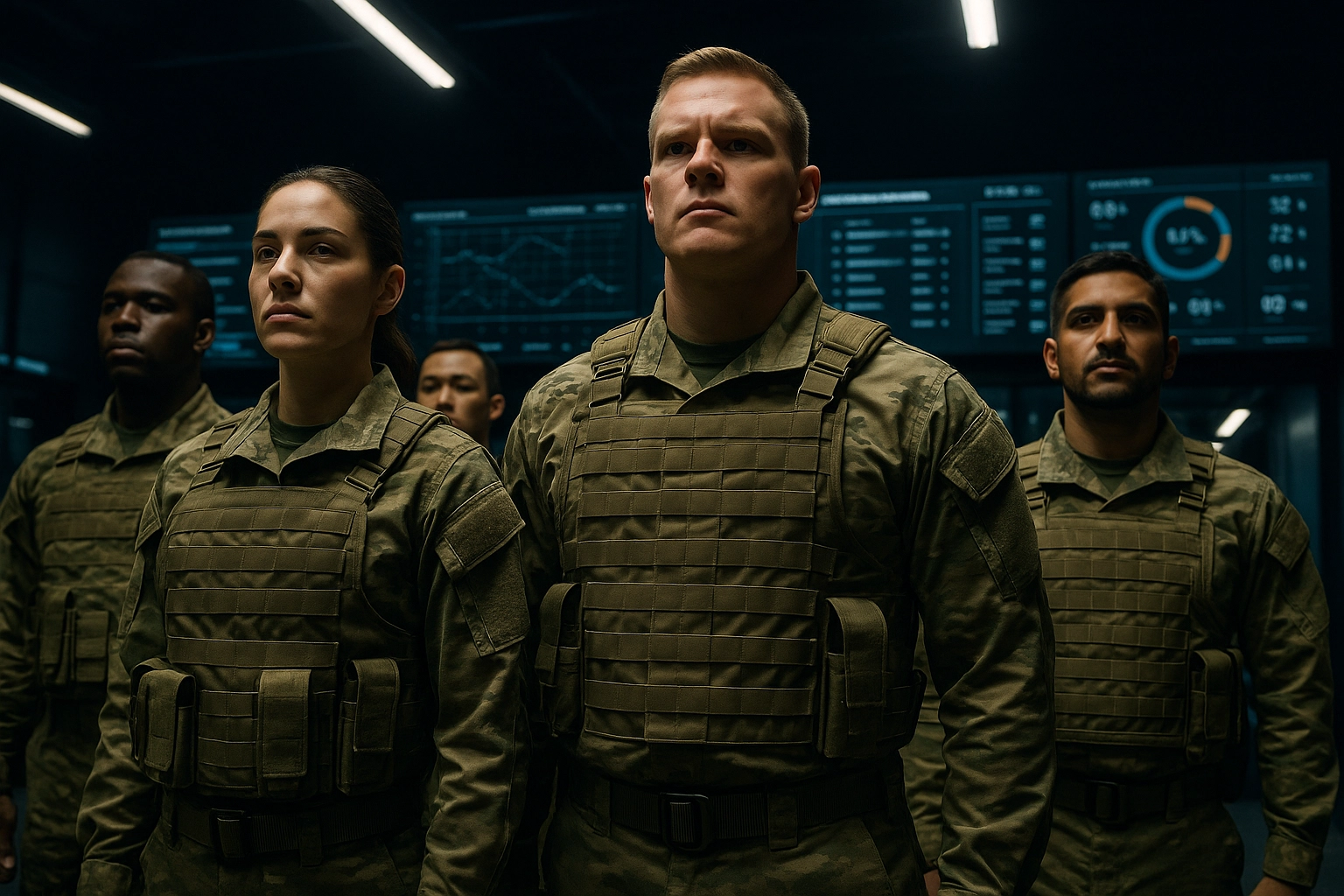
Modern AI analytics platforms excel at identifying high-potential candidates through sophisticated performance assessment during realistic training scenarios. Unlike traditional evaluation methods that rely on subjective observations, these systems capture and analyze decision-making speed, tactical awareness, stress response patterns, and adaptability under pressure.
For DOD contractors, this translates to significant cost savings in recruitment and training programs. The analytics can predict which candidates are most likely to succeed in specific roles, reducing washout rates and optimizing resource allocation. Advanced algorithms analyze behavioral patterns that indicate leadership potential, technical aptitude, and specialized skill compatibility.
The screening process integrates seamlessly with existing training programs. As candidates progress through simulation exercises, the system builds comprehensive performance profiles that inform placement decisions. This data-driven approach ensures that personnel are matched to roles where they can maximize effectiveness while contributing to overall mission success.
What makes these systems particularly valuable for defense contractors is their ability to identify subtle performance indicators that human evaluators might miss. The AI continuously learns from successful candidate outcomes, refining its predictive accuracy over time and creating increasingly sophisticated screening protocols.
Targeted Training Through Advanced Analytics
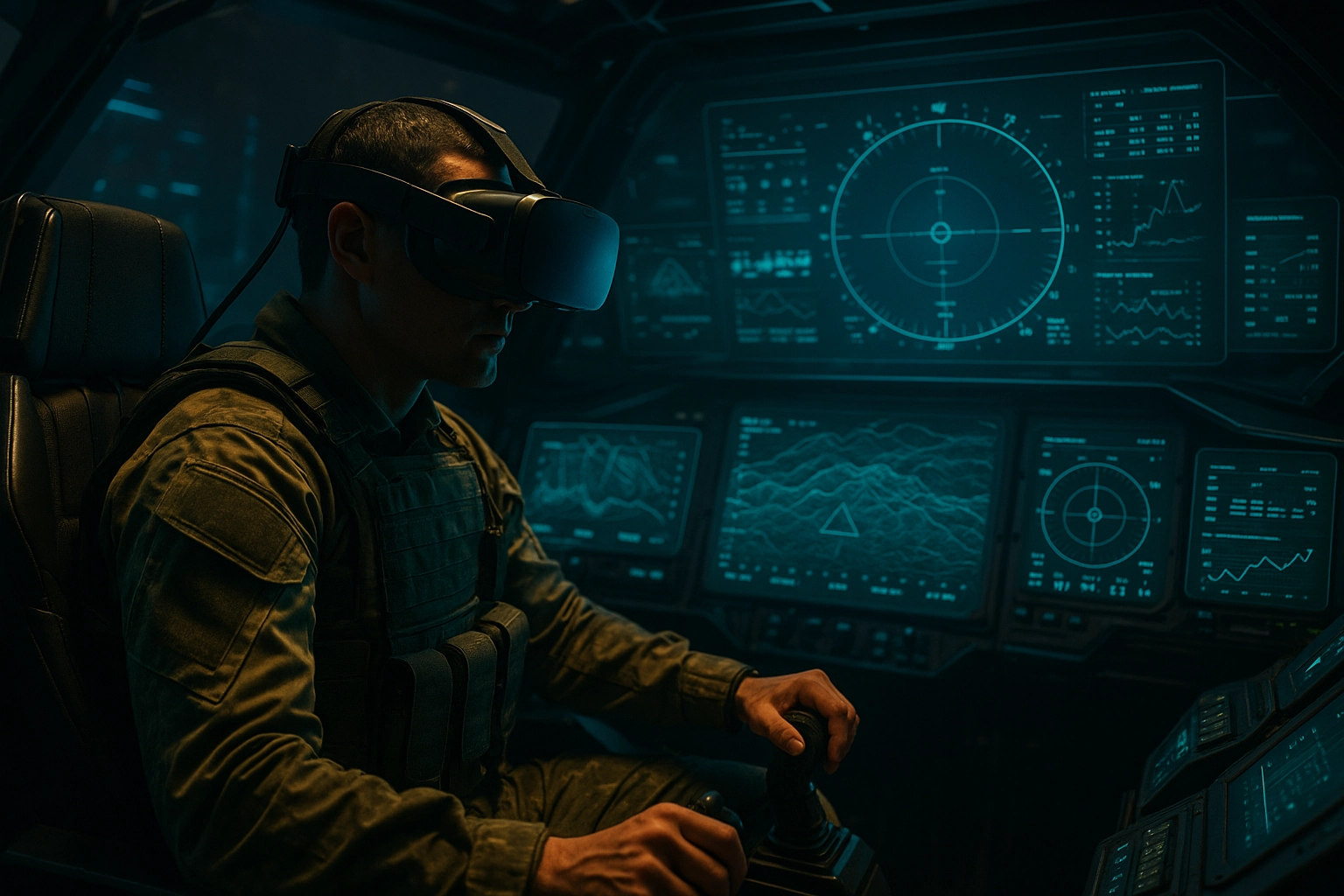
AI-powered platforms analyze individual performance data to create personalized learning pathways that address specific strengths and weaknesses. For military training programs, this means moving beyond one-size-fits-all approaches to deliver customized instruction that maximizes learning efficiency and retention.
The systems generate dynamic scenarios that adapt in real-time based on trainee performance. If a candidate struggles with urban combat situations, the platform automatically provides additional focused training in that environment. Conversely, personnel who demonstrate proficiency can advance to more complex challenges, ensuring optimal skill development progression.
This adaptive approach proves especially valuable for DOD contractors managing large training programs with diverse skill requirements. The analytics identify common performance gaps across trainee populations, enabling instructors to adjust curricula and address systemic weaknesses before they impact operational readiness.
Real-time feedback mechanisms provide immediate performance insights to both trainees and instructors. This continuous assessment enables rapid course corrections and ensures that training time is utilized effectively. The data also supports evidence-based training program improvements, demonstrating ROI to stakeholders and justifying program expansions.
Predictive Retention Analytics
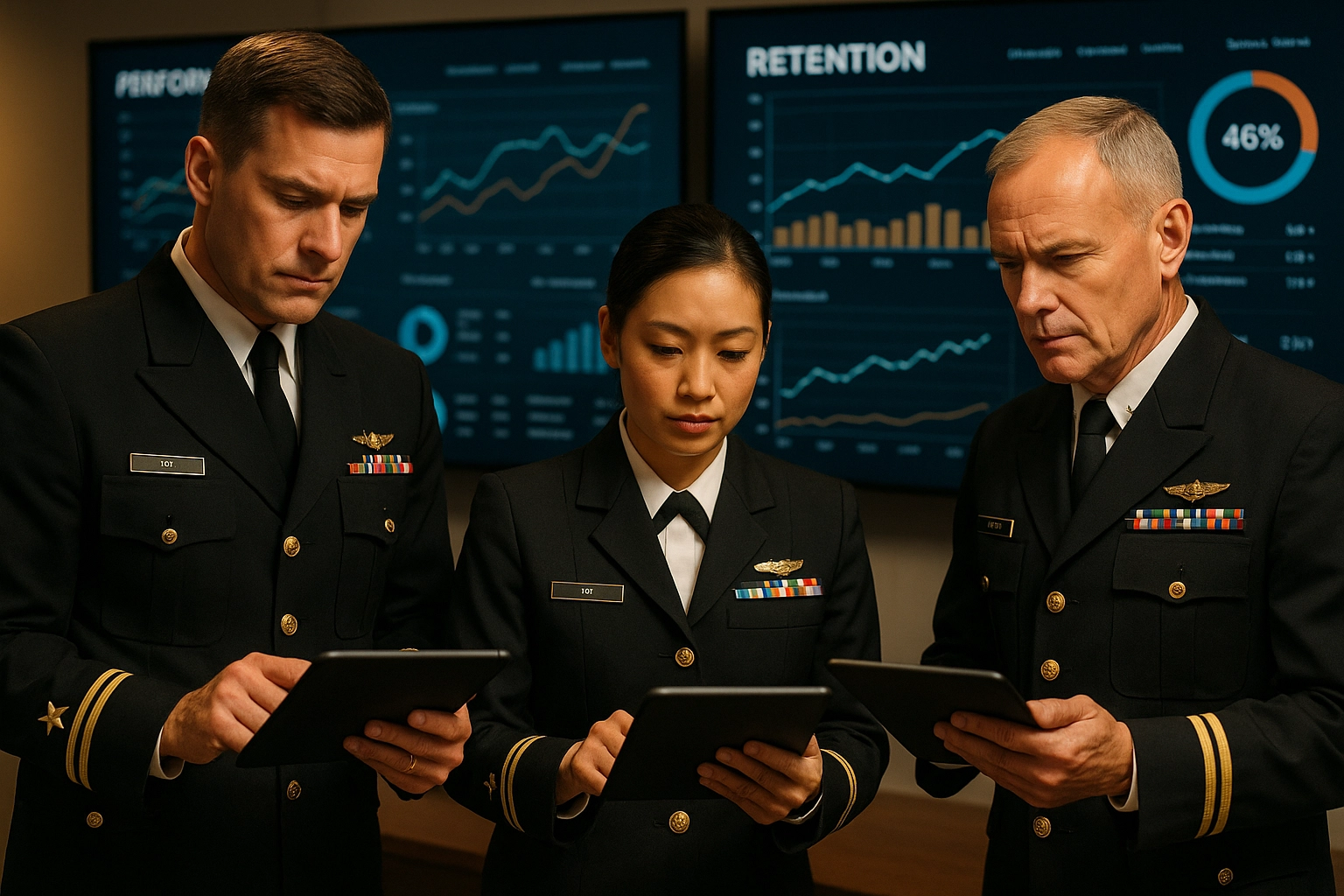
Advanced analytics platforms now incorporate "Digital Twin" capabilities that generate predictions about personnel retention and recommend best practices for engaging critical talent. These systems analyze performance data, training outcomes, and career progression patterns to identify factors that lead to higher retention rates and job satisfaction.
For defense contractors, retention analytics provide crucial insights into workforce stability and long-term planning. The systems can predict which personnel are at risk of leaving, enabling proactive intervention strategies. This predictive capability is particularly valuable in specialized fields where recruitment and training costs are substantial.
The analytics examine correlations between training performance, career development opportunities, and retention outcomes. By identifying the characteristics of personnel who remain engaged and committed long-term, organizations can optimize their talent development strategies and create more effective career progression pathways.
These insights prove invaluable for budget planning and resource allocation. Contractors can make data-driven decisions about training investments, compensation strategies, and career development programs that maximize retention while controlling costs.
Strategic ROTC Program Sponsorship Opportunities
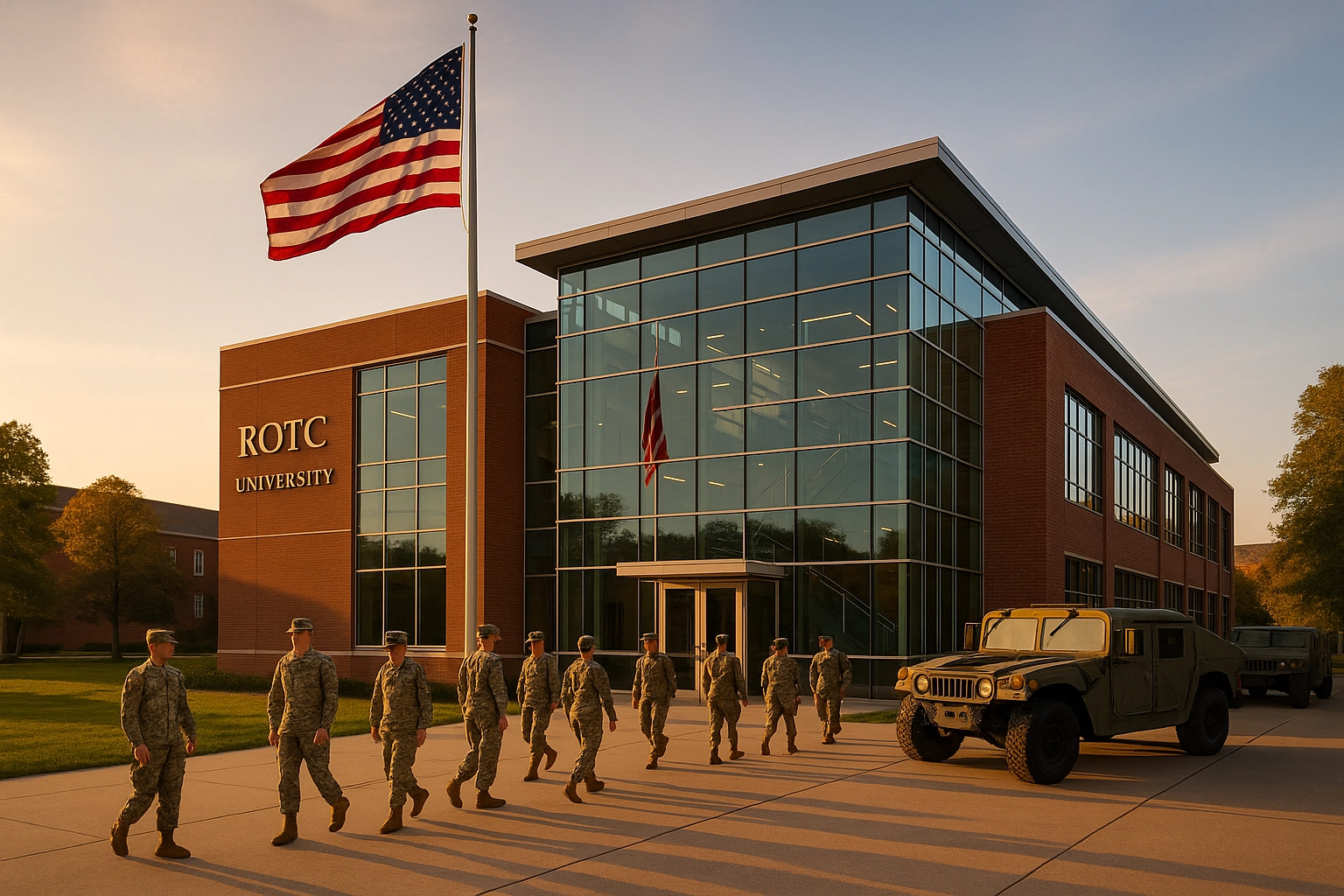
Defense contractors are discovering significant value in sponsoring Small Footprint Simulator units at ROTC programs nationwide. These partnerships create talent pipelines while providing contractors with early access to promising candidates who have already demonstrated proficiency in advanced simulation environments.
ROTC program sponsorships offer multiple strategic advantages. Contractors gain visibility among top military prospects while supporting programs that align with their workforce development needs. The analytics data from sponsored simulators provides insights into candidate performance before traditional recruitment processes begin.
Universities benefit from access to cutting-edge training technology that enhances their ROTC programs' reputation and effectiveness. The simulators provide realistic training experiences that better prepare cadets for military careers while generating valuable performance data for both academic assessment and potential employer evaluation.
The sponsorship model creates win-win scenarios where contractors invest in the next generation of military talent while universities access technology that would otherwise be cost-prohibitive. This partnership approach strengthens the entire military talent development ecosystem.
Implementation and Integration Strategies
Successful implementation of AI-powered simulation analytics requires careful planning and integration with existing training systems. Defense contractors should begin with pilot programs that demonstrate value before scaling to full deployment.
The technology integrates with various training platforms and existing Learning Management Systems, minimizing disruption to established processes. Cloud-based deployment options provide scalability and reduce infrastructure requirements, making implementation more accessible for organizations of all sizes.
Training staff require education on interpreting analytics data and incorporating insights into decision-making processes. However, the systems are designed for user-friendly operation, with dashboards and reporting tools that present complex data in accessible formats.
Regular system updates and machine learning refinements ensure that analytics capabilities continue improving over time. This continuous enhancement provides long-term value and keeps pace with evolving training requirements and military operational needs.
The future of military training lies in data-driven approaches that optimize human capital investment while ensuring operational readiness. AI-powered simulation analytics provide the tools necessary to screen effectively, train efficiently, and retain valuable talent in an increasingly competitive landscape.
Which aspects of AI-powered military simulation analytics do you think would provide the most value for your organization? Have you considered how ROTC program sponsorship might enhance your talent pipeline?
Want more insights like this? Subscribe at Small Footprint Simulator.
Questions or partnerships? Call our AI Receptionist at +1 (970) 703-0102.
Dan Kost, CEO , Small Footprint Simulator
If this helped you, please comment, subscribe, and share.
Share this article:
#Motivation #Branding #Strategy #Marketing #AdvertisingAndMarketing #digitalmarketing #Innovation #Sports #MilitaryTraining #DefenseContractors #ROTCPrograms #SimulationAnalytics #TalentManagement #AITraining