ROTC Programs vs. Traditional Flight Training: Which Produces Better Pilots Faster?
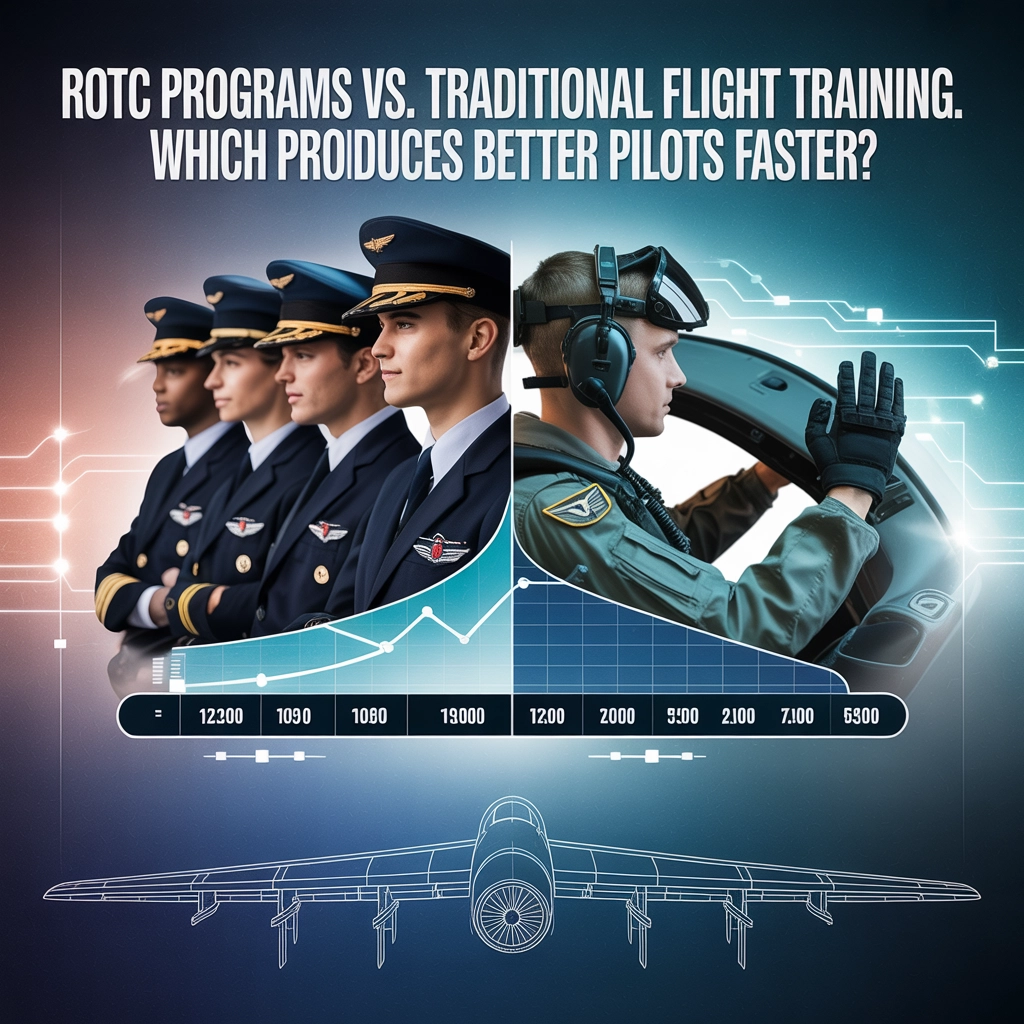
ROTC programs and traditional civilian flight training serve different purposes with distinct timelines. Traditional civilian training gets pilots to airlines 3-4 years faster and results in more flight hours by year 10. ROTC provides free education and comprehensive military training but requires 8-12 year service commitments. The "better pilot" depends on intended career path: military training excels in high-stress environments while civilian training optimizes for commercial aviation operations.
Universities and training programs face a critical decision when designing pilot education pathways. The aviation industry desperately needs qualified pilots, but which approach produces the most capable aviators in the shortest timeframe?
Timeline and Speed to Certification
The numbers tell a clear story about speed to market. Traditional civilian flight training delivers pilots to commercial airlines significantly faster than military pathways.
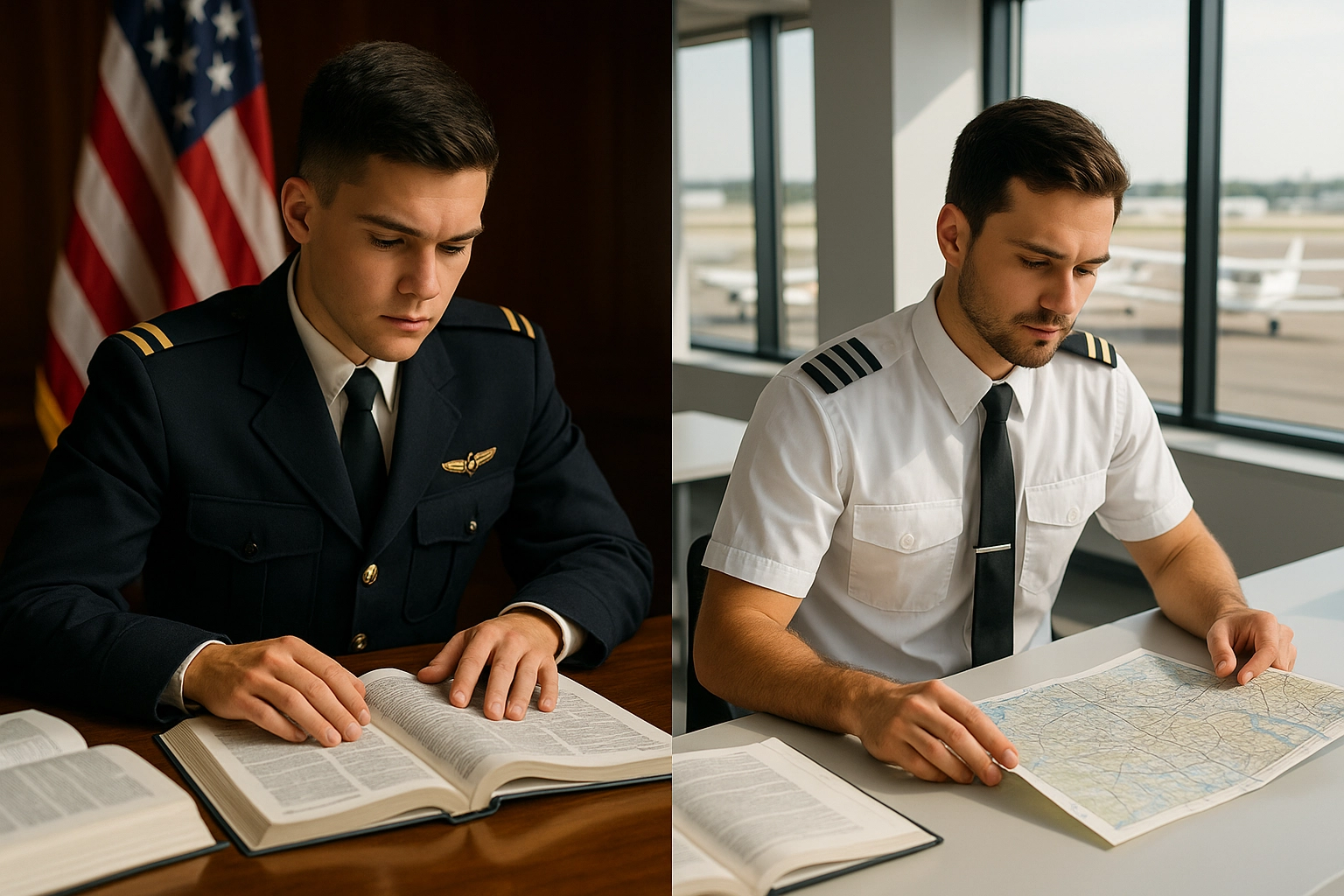
Civilian-trained pilots who choose flight school first reach the airlines 3-4 years earlier than those pursuing college-first routes. By year 10 of their careers, flight school-first pilots accumulate 3,150 more flight hours than college-first alternatives, making them more experienced and senior at airlines.
Traditional civilian programs typically require six months to one year for completion, with flexible scheduling that allows students to progress at manageable paces. Students can earn their Private Pilot License in 8,000-15,000 dollars, add instrument ratings for another 8,000-13,000 dollars, and complete Commercial Pilot License requirements for 30,000-50,000 dollars total.
ROTC military pathways require 8-12 year service commitments after training completion. This extended obligation significantly delays entry into civilian aviation careers, though graduates gain extensive experience in high-performance aircraft and complex mission scenarios.
Which approach aligns better with your program's graduate employment goals?
Training Structure and Quality Comparison
Military and civilian training emphasize fundamentally different skill sets and operational environments.
ROTC Military Training Advantages:
- Government-funded comprehensive education
- Intense, structured training protocols
- Combat readiness and multi-mission capabilities
- Advanced aircraft systems experience
- High-stress environment operations
- Rigorous discipline and standardized procedures
Traditional Civilian Training Benefits:
- Safety and passenger comfort prioritization
- Real-world navigation and flight planning
- Radio communication workflows
- Customer service and multi-crew operations
- Diverse aircraft type exposure
- Commercial aviation procedure focus
Military-trained pilots develop exceptional precision flying skills under challenging conditions that civilian training rarely encounters. They learn to operate sophisticated weapons systems, conduct formation flying, and execute complex tactical missions.
Civilian-trained pilots master commercial aviation protocols, passenger safety procedures, and airline operational standards. They gain experience across different aircraft types and develop customer-focused service skills essential for commercial success.
The question of "better" pilots depends entirely on intended application. Military training produces pilots optimized for combat and military operations. Civilian training creates pilots ready for commercial airline careers from day one.
Financial Investment Analysis
ROTC Financial Package:
- Free college education coverage
- Room and board at participating schools
- Guaranteed employment upon graduation
- All flight training costs covered
- No student loan requirements
- Full salary during training period
Civilian Training Investment:
- 50,000-80,000 dollars total training costs
- Personal financial responsibility
- Earlier professional earnings start
- Loan payoff through career progression
- No service obligation requirements
- Complete career flexibility

ROTC programs offer unmatched financial benefits for students seeking aviation careers without personal debt. The military covers all expenses including advanced flight training, aircraft maintenance, and instructor costs.
However, civilian-trained pilots start earning professionally much earlier, allowing faster loan repayment while building career advancement. The 3-4 year head start in commercial aviation often compensates for initial training investments through accelerated salary progression.
Universities must consider student financial situations when recommending pathways. Students with limited financial resources benefit tremendously from ROTC programs, while those able to invest in civilian training gain career timeline advantages.
Career Flexibility and Obligations
ROTC programs carry significant commitment requirements that limit career flexibility. Students who develop medical conditions preventing aviation duty but not commissioning remain obligated to serve in other military roles. Those achieving insufficient qualifying scores cannot pursue pilot careers but may retain military service requirements.
Traditional civilian training provides maximum career flexibility without long-term obligations. Students can transition between different aviation career paths, change employers, or modify career locations based on personal preferences.
Military Service Considerations:
- 8-12 year mandatory service commitment
- Geographic assignment restrictions
- Limited career path modifications
- Comprehensive benefits and job security
- Prestigious military aviation background
- Advanced leadership training opportunities
Civilian Career Benefits:
- Immediate career path flexibility
- Geographic location choices
- Multiple employer options
- Faster career progression potential
- Industry networking opportunities
- Personal schedule control
Technology Integration and Modern Training
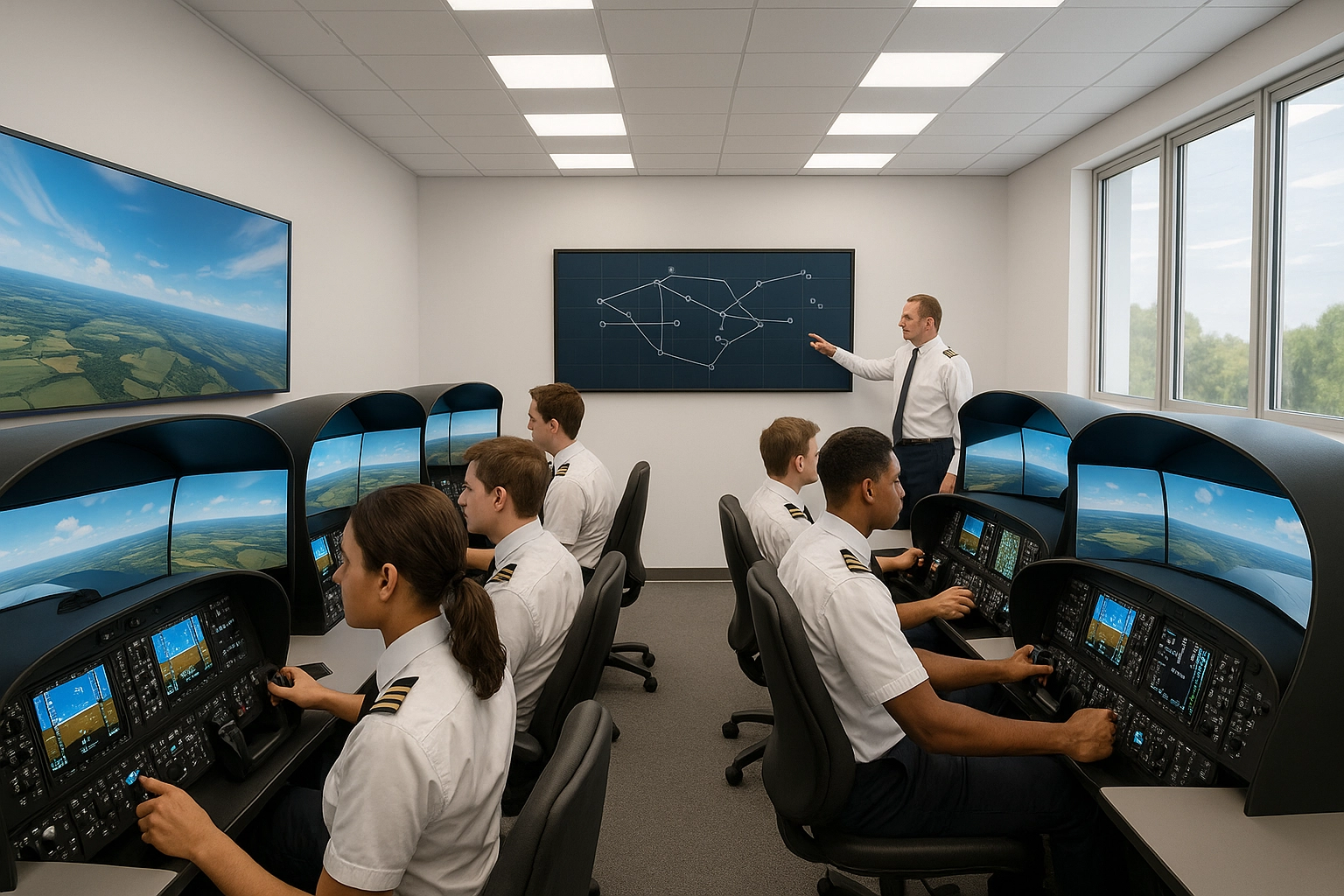
Modern flight simulation technology revolutionizes both training approaches. Small footprint simulators enable universities to provide high-quality flight training without massive facility investments.
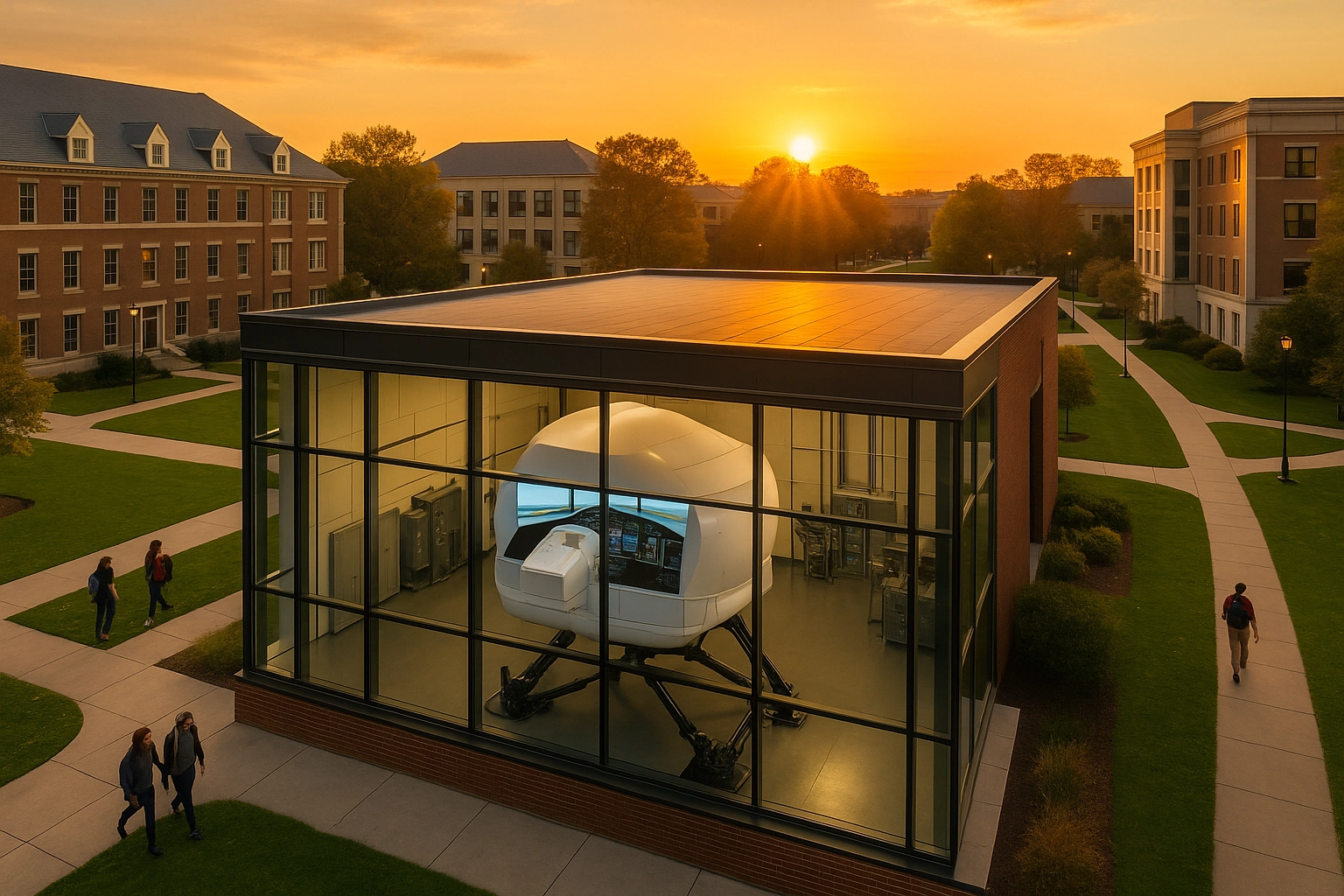
Compact flight simulators deliver authentic training experiences while reducing operational costs and safety risks. Universities can integrate these systems into ROTC programs or civilian training tracks without requiring extensive runway facilities or aircraft maintenance programs.
Both military and civilian training programs increasingly rely on simulation technology for initial training phases. Students gain foundational skills in controlled environments before transitioning to actual aircraft operations.
Program Implementation Recommendations
Universities developing pilot training programs should consider hybrid approaches that maximize both pathways' advantages. Students can explore both options during initial program phases before committing to specific tracks.
Successful Program Elements:
- Comprehensive career counseling
- Financial aid comparison tools
- Industry partnership development
- Modern simulation technology integration
- Flexible curriculum design
- Alumni mentor networks
Programs should maintain relationships with both military recruiters and civilian aviation employers. This dual-track approach ensures students receive complete career information before making long-term commitments.
Which training elements would benefit your program's student outcomes most?
Making the Right Choice
The decision between ROTC and traditional flight training depends on individual student goals, financial situations, and career timeline preferences.
Choose ROTC if students want:
- Free education with guaranteed employment
- Military service career goals
- Comprehensive leadership development
- Advanced aircraft system training
- Financial stability without debt
- Prestigious military aviation background
Choose Traditional Civilian Training if students prioritize:
- Fastest path to commercial aviation careers
- Maximum career flexibility and control
- Earlier professional earnings potential
- Geographic location freedom
- Multiple career path options
- Personal schedule management
Both pathways produce highly skilled pilots capable of successful aviation careers. The optimal choice aligns training approach with individual career objectives and personal circumstances.
Universities serve students best by providing comprehensive information about both options while supporting whichever path students ultimately choose.
Want more insights like this? Subscribe at smallfootprintsimulator.com.
Questions or partnerships? Call our AI Receptionist at +1 (970) 703-0102.
Dan Kost, CEO , Small Footprint Simulator
If this helped you, please comment, subscribe, and share.
Share this article:
Tags: #Motivation #Branding #Strategy #Marketing #AdvertisingAndMarketing #digitalmarketing #Innovation #Sports #FlightTraining #ROTC #AviationEducation #PilotTraining #MilitaryAviation #FlightSimulation