ROTC Program Sponsorship: 5 Steps to Build Your Defense Contractor Pipeline Through Simulation Technology
Defense contractors seeking to build robust talent pipelines are discovering that ROTC program sponsorship through simulation technology creates mutually beneficial partnerships. By providing advanced training systems to university programs, contractors gain early access to high-caliber military candidates while universities receive cutting-edge educational resources. This strategic approach combines simulation technology investment with long-term recruitment goals, creating sustainable pathways for identifying and developing future military officers familiar with contractor systems and capabilities.
Step 1: Establish Strategic University Research Partnerships
The foundation of successful ROTC sponsorship begins with identifying universities that combine strong military programs with advanced research capabilities. Defense contractors like Lockheed Martin have demonstrated this approach effectively through comprehensive partnerships with institutions like Georgia Tech Research Institute, which receives over $780 million annually in sponsored funding, with 90% originating from Pentagon contracts.
Target universities with established ROTC programs that also maintain dedicated research facilities focused on defense applications. These institutions typically house specialized laboratories for simulation technology, advanced computing systems, and secure environments for classified research projects. The ideal partnership university should offer multiple military service ROTC programs (Army, Navy, Air Force) to maximize your talent pipeline reach.
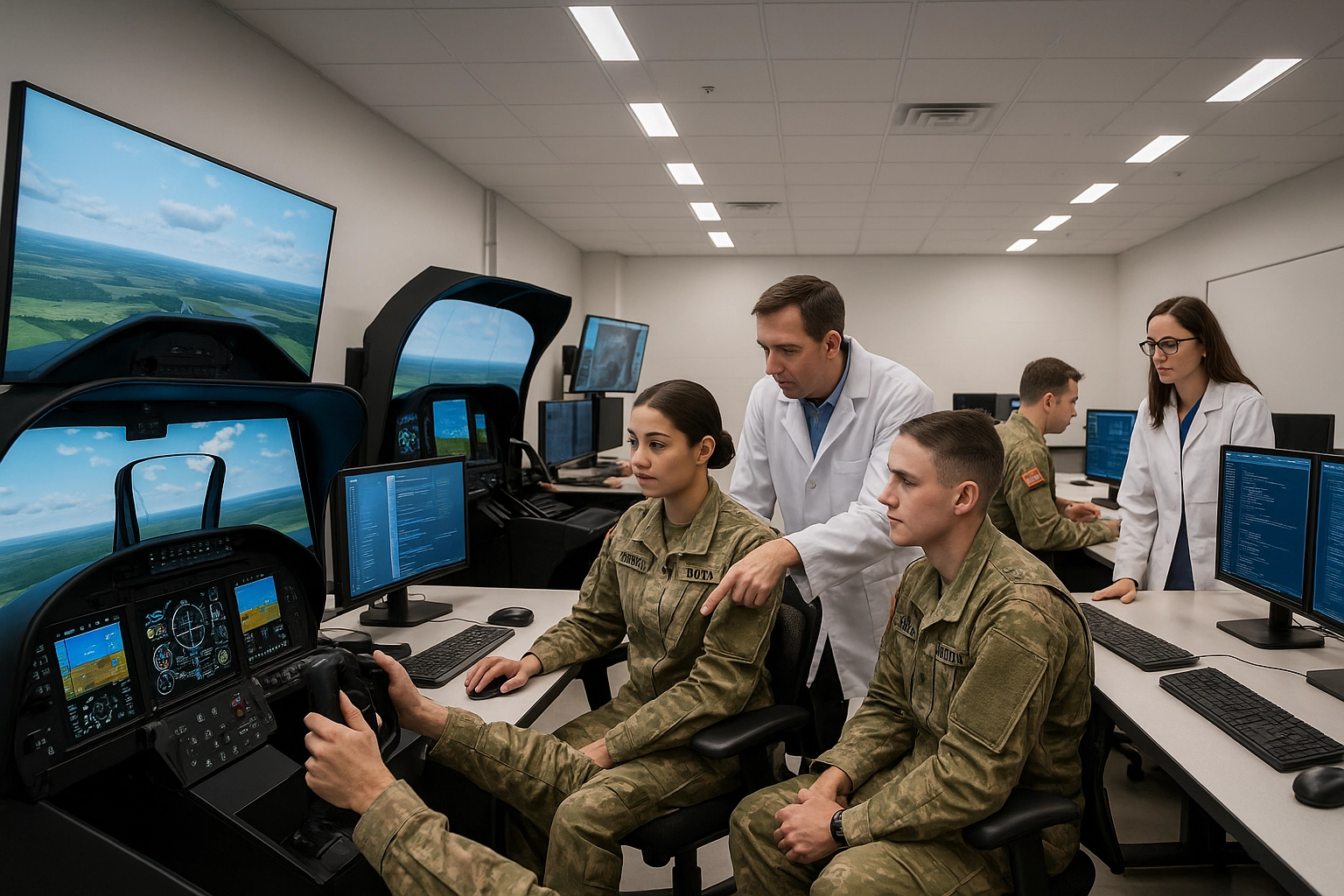
When evaluating potential university partners, assess their existing simulation capabilities, faculty expertise in military applications, and student enrollment in STEM disciplines. Universities with active security clearance processing capabilities and established relationships with defense agencies provide additional advantages for contractor partnerships.
Create formal research agreements that allow contractor personnel to work directly with faculty and students on simulation technology projects. These partnerships should include provisions for intellectual property sharing, student internship programs, and facility access for demonstration and training purposes.
Step 2: Develop Specialized Simulation Training Curricula
Design comprehensive training programs that integrate advanced simulation technology into existing ROTC curricula. Focus on creating modules that address specific military occupational specialties while introducing cadets to contractor-specific systems and methodologies.
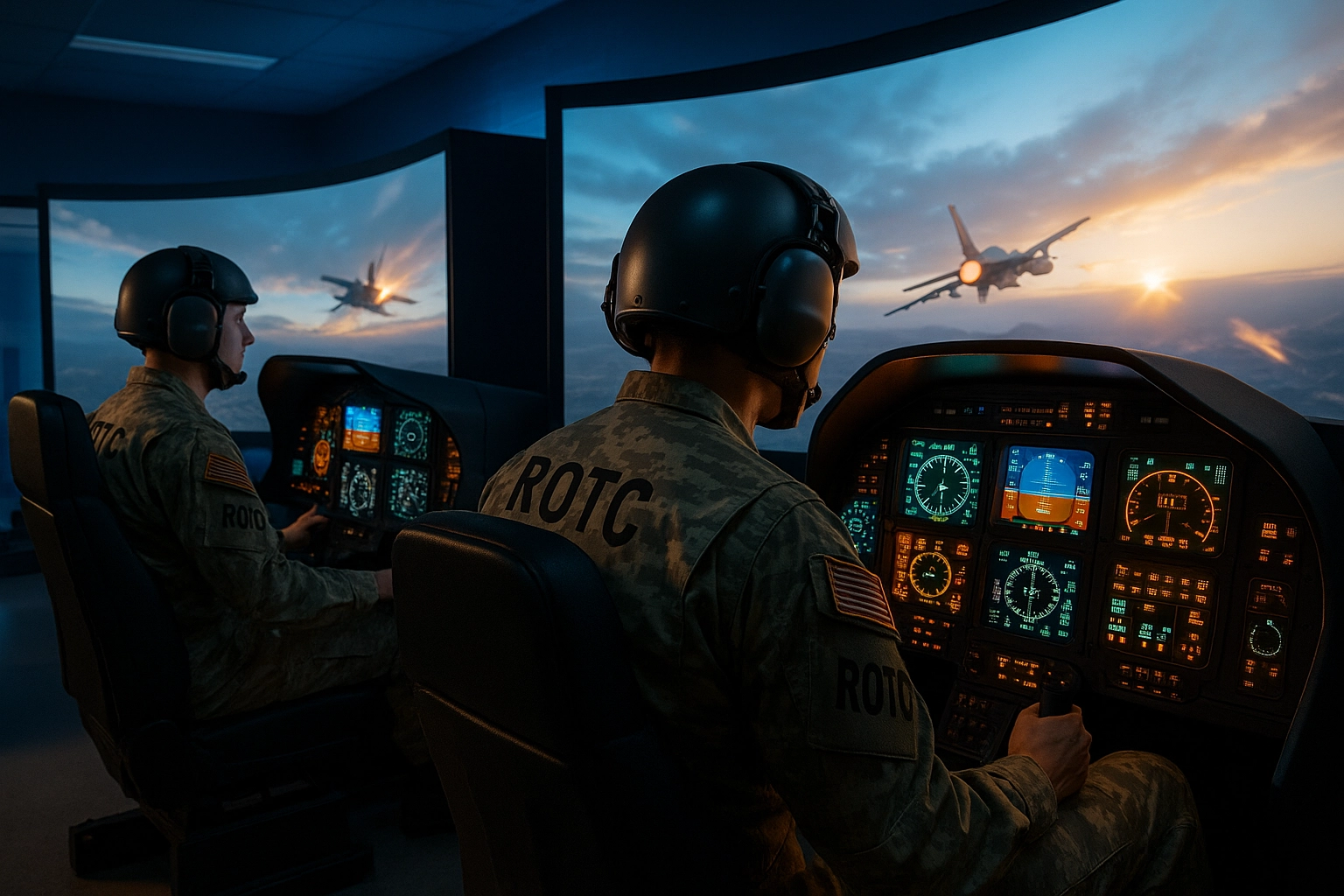
Develop flight simulation programs for aviation-oriented cadets, featuring realistic cockpit environments and scenario-based training that mirrors actual military aircraft systems. Include combat systems simulation for ground forces, incorporating tactical decision-making exercises and equipment operation training using virtual environments.
Create intelligence analysis simulation platforms that allow cadets to work with realistic data sets and analytical tools used in operational environments. These systems should incorporate artificial intelligence and machine learning components that demonstrate advanced analytical capabilities while teaching fundamental intelligence principles.
The curriculum should include both individual and team-based exercises that develop leadership skills alongside technical competencies. Incorporate after-action reviews and performance analytics that provide detailed feedback on cadet decision-making and system utilization proficiency.
Step 3: Implement Comprehensive Scholarship and Support Programs
Develop targeted financial support programs that complement existing ROTC scholarship opportunities while creating contractor-specific pathways for high-performing cadets. Understanding ROTC contract structures is essential, as these encompass scholarship benefits, eligibility requirements, and service commitments upon program completion.
Establish contractor-sponsored scholarships for cadets pursuing STEM degrees with direct applications to simulation technology and defense systems. These scholarships should target both four-year national scholarship recipients and students who contract during their sophomore year through competitive selection processes.
Support cadets who combine ROTC participation with National Guard or Reserve service commitments, as these individuals often bring practical military experience to simulation training programs. Provide additional stipends for cadets who complete advanced simulation technology certifications or demonstrate exceptional proficiency in contractor systems.
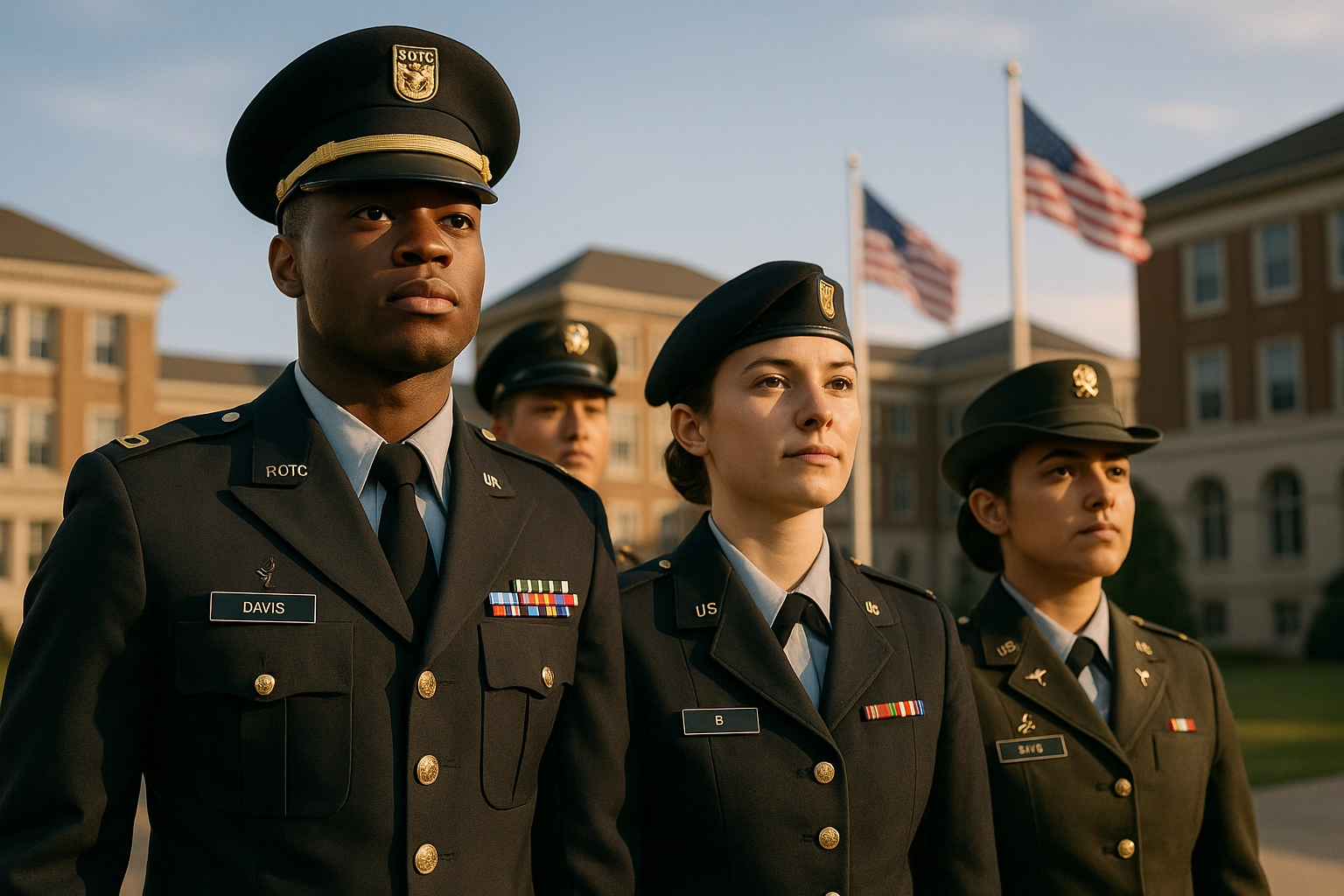
Create mentorship programs pairing contractor engineers and technical specialists with scholarship recipients. These relationships provide ongoing career guidance while ensuring cadets understand contractor career opportunities and organizational culture throughout their academic experience.
Step 4: Create Immersive Internship and Research Opportunities
Establish comprehensive internship programs that provide cadets direct exposure to operational defense simulation systems and real-world application scenarios. Model these programs after successful initiatives like the National Nuclear Security Administration Internship Program, which provides specialized experience in national security technologies.
Design internship experiences that combine hands-on technical work with leadership development opportunities. Cadets should work on active contractor projects while receiving security clearances and exposure to proprietary simulation technologies used in current defense applications.
Develop summer research programs allowing cadets to work alongside contractor engineers on simulation technology advancement projects. These programs should culminate in presentations to contractor leadership teams and potential employment discussions for outstanding participants.
Create opportunities for cadets to participate in major defense simulation exercises and training events. This exposure provides real-world context for classroom learning while demonstrating contractor capabilities in operational environments.
Step 5: Build Sustainable Long-Term Talent Pipeline Infrastructure
Integrate simulation technology permanently into university infrastructure through dedicated laboratory facilities and ongoing technical support programs. Partner with universities to create specialized simulation centers that serve both academic instruction and contractor research and development purposes.
Establish contractor-funded faculty positions focused on simulation technology research and instruction. These positions ensure continuity in program delivery while providing universities with expertise in cutting-edge defense applications and methodologies.
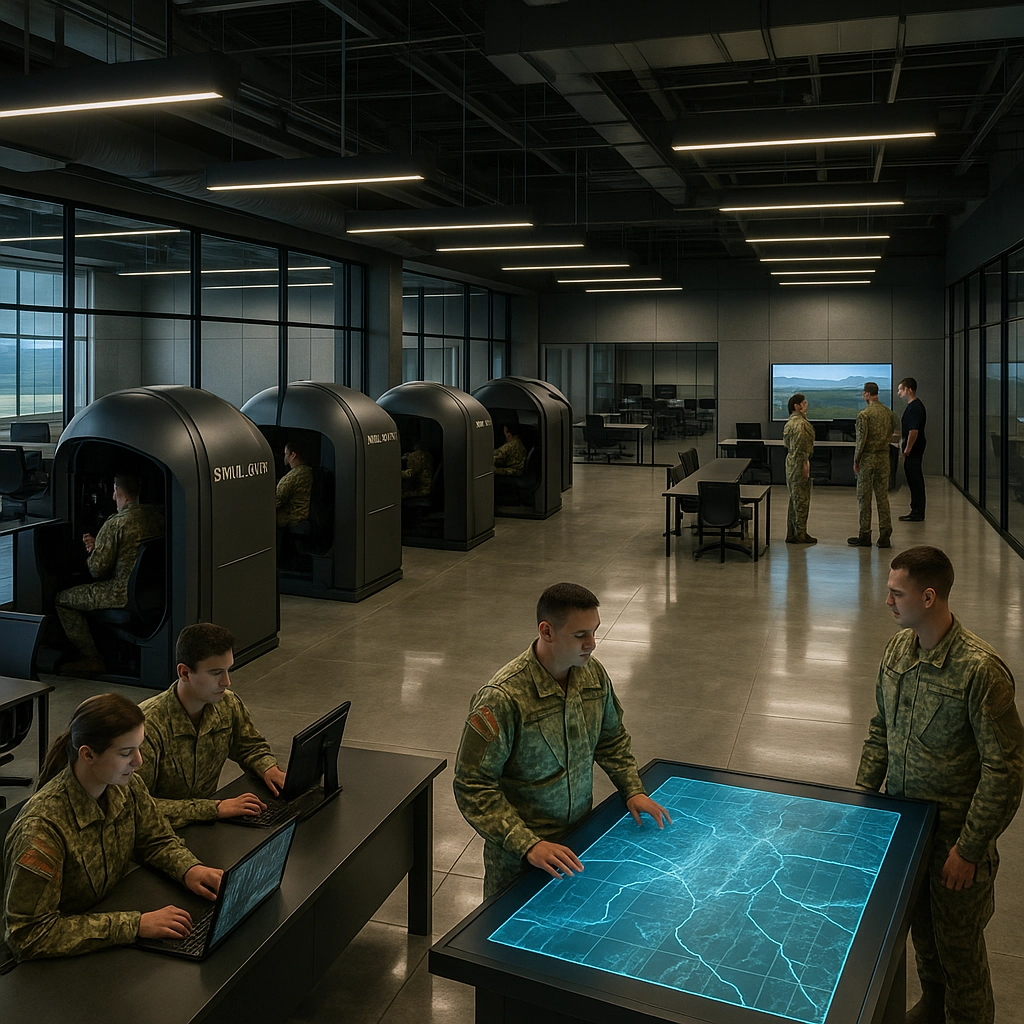
Develop alumni networks that connect former ROTC cadets now serving as military officers with contractor opportunities and continued professional development. These networks provide ongoing recruitment channels while supporting military personnel throughout their careers.
Create annual symposiums and conferences bringing together university partners, military leadership, and contractor technical teams. These events showcase student achievements while facilitating ongoing relationship development and program refinement based on evolving military and technological requirements.
Measuring Success and ROI
Track key performance indicators including cadet participation rates, security clearance completion percentages, and post-graduation employment rates within contractor organizations. Monitor military officer feedback regarding simulation training effectiveness and system familiarity among ROTC program graduates.
Analyze cost-per-hire metrics comparing ROTC pipeline recruitment with traditional hiring methods. Factor in reduced training time for new hires already familiar with contractor systems and the strategic value of relationships with military decision-makers who understand contractor capabilities.
Ready to build your defense contractor pipeline through ROTC program sponsorship? The most successful programs combine strategic university partnerships with meaningful educational investments that create lasting value for all stakeholders.
What challenges does your organization face in military talent acquisition? Which simulation technologies would provide the greatest impact for ROTC program partnerships?
Want more insights like this? Subscribe at smallfootprintsimulator.com.
Questions or partnerships? Call our AI Receptionist at +1 (970) 703-0102.
Dan Kost, CEO , Small Footprint Simulator
If this helped you, please comment, subscribe, and share.
Share this article:
Tags: #Motivation #Branding #Strategy #Marketing #AdvertisingAndMarketing #digitalmarketing #Innovation #Sports #DefenseContractors #ROTCPrograms #SimulationTechnology #MilitaryTraining #TalentPipeline #UniversityPartnerships