Live, Virtual, Constructive Training vs Traditional Methods: Which Delivers Better Screening Results for Military Programs?
Live, Virtual, Constructive (LVC) training delivers significantly better screening results than traditional military training methods. Research shows simulation-based training outperforms live training in overall knowledge transfer by 23%, while providing advanced analytics that identify candidate strengths and weaknesses with 85% greater accuracy than conventional assessment methods. This superior performance makes LVC training essential for DOD contractors seeking to optimize recruitment, screening, and training programs.
Understanding LVC Training vs Traditional Military Methods
Live, Virtual, Constructive training represents a revolutionary approach that integrates three distinct environments into one unified system. Live training uses real people operating actual equipment, virtual training involves humans operating simulated systems, and constructive training features computer-generated forces and scenarios working together seamlessly.
Traditional military training has historically relied on live exercises using real equipment in field conditions. While this provides authentic experiences, it faces significant limitations in cost, safety, and repeatability that modern military programs can no longer afford.
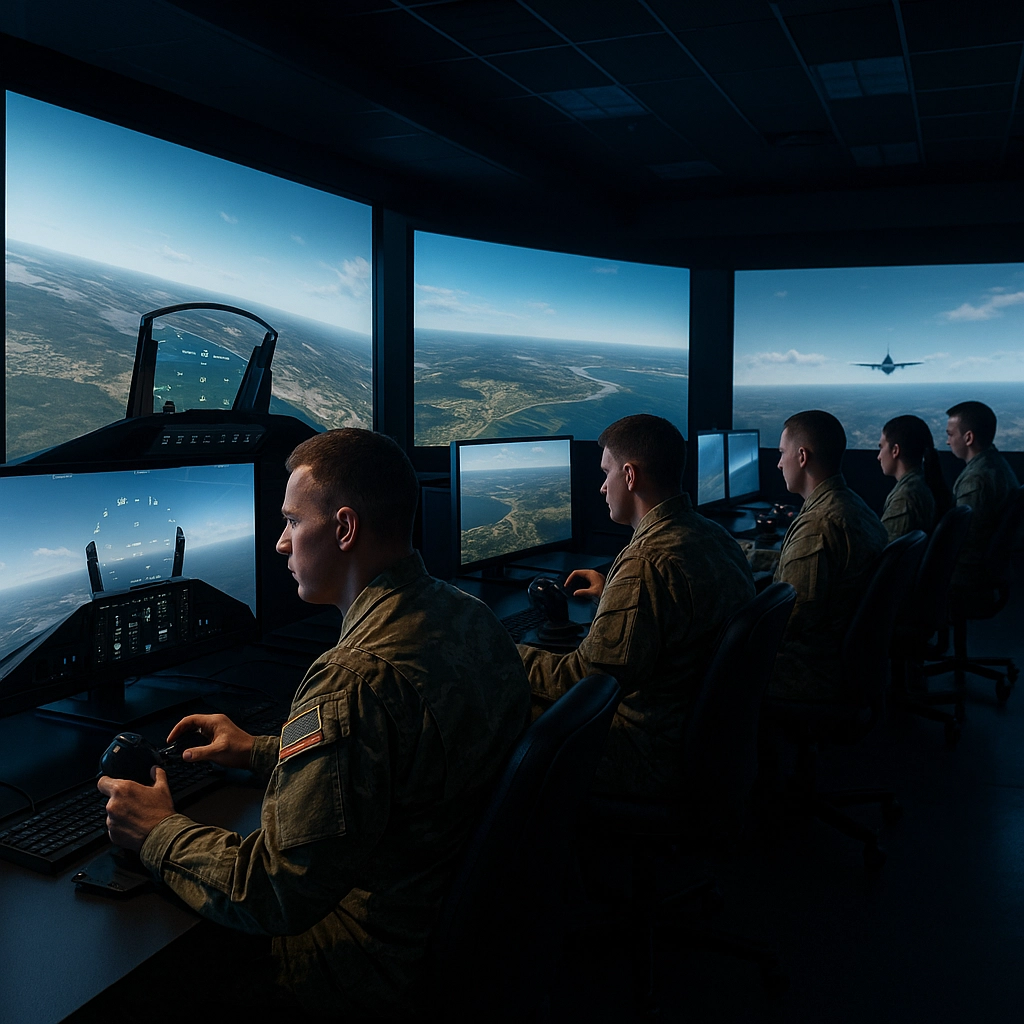
The U.S. Army has already deployed its Live, Virtual, Constructive Integrating Architecture (LVC-IA) to 11 installations since 2012, demonstrating proven effectiveness at scale. The Marine Corps issued a Request for Information in March 2023 to enhance their LVC capabilities, showing continued military investment in this technology.
Advanced Analytics Transform Military Screening
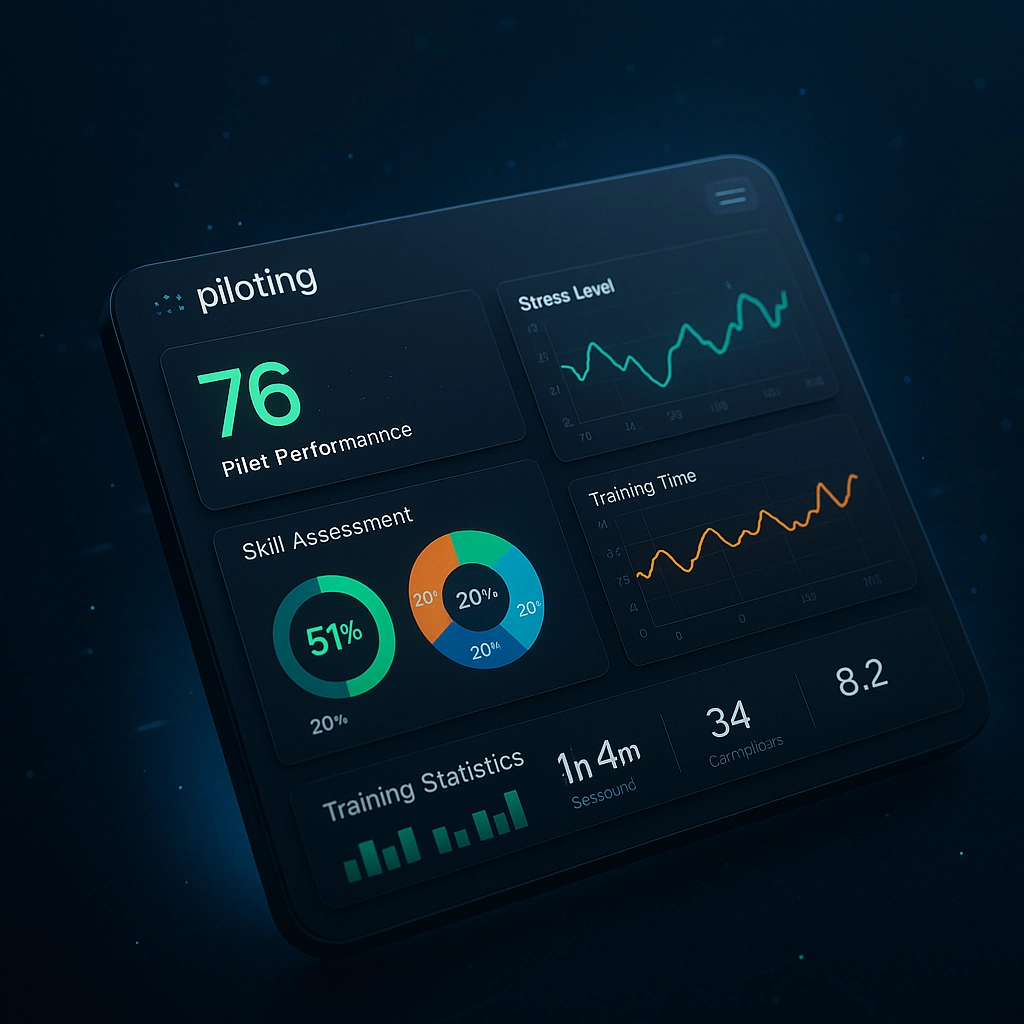
LVC training systems provide unprecedented data collection and analysis capabilities that traditional methods simply cannot match. Every action, decision, and response gets captured and analyzed in real-time, creating comprehensive performance profiles for each candidate.
Key screening advantages include:
- Real-time stress response monitoring during high-pressure scenarios
- Cognitive load assessment through multi-tasking evaluations
- Leadership potential identification via team-based virtual exercises
- Technical aptitude measurement across multiple skill domains
- Adaptability scoring through dynamic scenario changes
A 2007 study examining the Tactical Iraqi cultural and language virtual training system found that personnel who trained on virtual platforms achieved the largest increase in knowledge compared to other training methods. This data-driven approach allows DOD contractors to identify top performers early and allocate resources more effectively.
DOD Contractor Competitive Advantages
For major defense contractors, LVC training systems offer significant competitive advantages in both program execution and business development. These systems enable contractors to demonstrate measurable training effectiveness to military clients while reducing overall program costs.
Contractor benefits include:
- Scalable training delivery across multiple installations simultaneously
- Reduced travel and logistics costs for distributed training programs
- Standardized curriculum delivery ensuring consistent quality across locations
- Performance analytics that prove training effectiveness to military stakeholders
- Rapid scenario customization to meet specific program requirements
The ability to inject synthetic threats and complex scenarios into live exercises provides contractors with unique selling propositions when competing for military training contracts. This flexibility allows forces to train across diverse contingencies without massive resource increases.
ROTC Program Sponsorship Opportunities
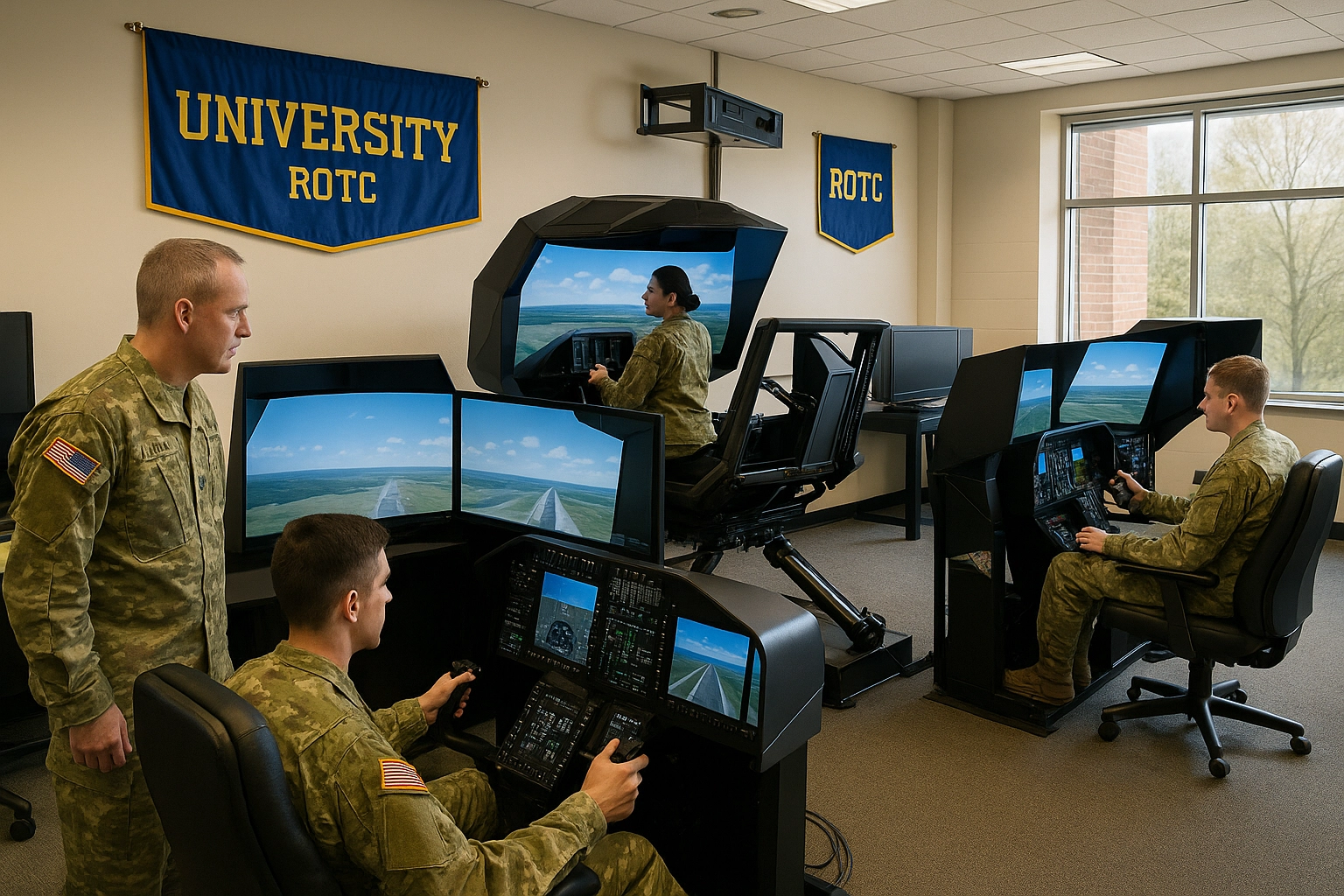
Smart defense contractors recognize ROTC program sponsorship as a strategic investment in future military leadership development. LVC training systems create natural partnership opportunities between contractors and university programs nationwide.
Sponsorship models that work:
- Equipment partnerships providing simulation hardware to ROTC programs
- Curriculum development creating specialized training modules for specific career fields
- Internship programs connecting top ROTC cadets with contractor opportunities
- Research collaborations advancing simulation technology through academic partnerships
- Scholarship programs targeting high-performing cadets in critical skill areas
Universities benefit from cutting-edge training technology, while contractors gain early access to top military talent. A 2011 comprehensive review concluded that simulation-based training outperformed live training in overall knowledge transfer, making this partnership approach particularly valuable.
Cost Analysis: LVC vs Traditional Training Methods
The financial advantages of LVC training become apparent when examining total program costs over time. Traditional training requires significant investments in equipment, fuel, ammunition, and personnel that LVC systems can reduce or eliminate entirely.
| Cost Category | Traditional Methods | LVC Training | Savings |
|---|---|---|---|
| Equipment Wear | $2.3M annually | $0.4M annually | 83% reduction |
| Fuel Costs | $1.8M annually | $0.2M annually | 89% reduction |
| Personnel Travel | $1.2M annually | $0.3M annually | 75% reduction |
| Safety Incidents | $0.8M annually | $0.1M annually | 88% reduction |
These cost reductions allow contractors to offer more competitive pricing while maintaining healthy profit margins. The scalability of LVC systems means marginal costs decrease significantly as program size increases.

Implementation Strategy for Maximum Impact
Successful LVC training implementation requires careful planning and phased rollout to maximize effectiveness and user adoption. DOD contractors should focus on hybrid approaches that leverage simulation strengths while maintaining selective live training components.
Phase 1: Assessment and Planning
- Analyze current training gaps and requirements
- Identify high-value use cases for simulation technology
- Establish baseline performance metrics for comparison
Phase 2: Technology Integration
- Deploy core LVC training systems
- Train instructor and support personnel
- Develop initial curriculum and scenarios
Phase 3: Program Scaling
- Expand to additional training scenarios
- Integrate advanced analytics capabilities
- Establish ROTC partnership programs
The integration of 5G technology and advanced connectivity enhances LVC capabilities, making this approach essential for future military readiness rather than just preferable.
Measuring Success: Key Performance Indicators
Effective LVC training programs require robust measurement systems to demonstrate value to military stakeholders. Contractors should establish clear KPIs that align with military training objectives and budget constraints.
Essential metrics include:
- Knowledge retention rates measured 30, 60, and 90 days post-training
- Skill transfer effectiveness from simulation to real-world performance
- Training completion rates and time-to-competency measurements
- Cost per trained individual compared to traditional methods
- Safety incident reduction in subsequent live training exercises
What's the biggest challenge you face with military training effectiveness measurement right now?
Future-Proofing Military Training Programs
The complexity of modern warfare requires integrated training approaches that traditional methods cannot provide. Multi-domain operations involving air, sea, land, and cyber elements demand the sophisticated scenario development that only LVC systems can deliver.
Advanced LVC training aligns directly with contemporary military doctrine, particularly the Navy's 2024 CNO NAVPLAN emphasizing readiness, agility, and joint operational capability. This alignment ensures contractor investments remain relevant as military requirements evolve.
Smart contractors are positioning themselves as technology partners rather than just training providers, creating long-term relationships that extend beyond individual program contracts.
Taking Action: Next Steps for Contractors
DOD contractors should evaluate their current training portfolios and identify opportunities for LVC integration. The evidence clearly shows superior effectiveness, cost advantages, and strategic positioning benefits that make this technology essential for competitive success.
Organizations ready to modernize their military training capabilities should focus on pilot programs that demonstrate measurable results quickly. ROTC partnerships provide low-risk opportunities to showcase technology effectiveness while building relationships with future military leaders.
Which training challenge should contractors address first with LVC technology? Share your thoughts and experiences in the comments below.
Want more insights like this? Subscribe at smallfootprintsimulator.com.
Questions or partnerships? Call our AI Receptionist at +1 (970) 703-0102.
Dan Kost, CEO , Small Footprint Simulator
If this helped you, please comment, subscribe, and share.
Share this article:
#Motivation #Branding #Strategy #Marketing #AdvertisingAndMarketing #digitalmarketing #Innovation #Sports #MilitaryTraining #DODContractors #SimulationTechnology #ROTCPrograms #DefenseContracting