Live, Virtual, Constructive Training vs Traditional Methods: Which Delivers Better Screening Results for Military Programs?
Live, Virtual, Constructive (LVC) training significantly outperforms traditional military training methods in screening effectiveness and knowledge transfer. A comprehensive 2011 review found that simulation-based training outperformed live training in overall knowledge transfer when used as an alternative to live training, a performance improvement mechanism, or a tool to combat skills decay. For DOD contractors seeking cost-effective screening solutions, LVC training offers superior analytics, reduced logistics costs, and enhanced adaptability for modern military requirements.
The military training landscape has evolved dramatically, with defense contractors and military programs increasingly questioning whether traditional live training methods deliver the screening results needed for today's complex operational environment. The answer lies in understanding how Live, Virtual, Constructive training fundamentally transforms military preparedness.
Understanding Live, Virtual, Constructive Training
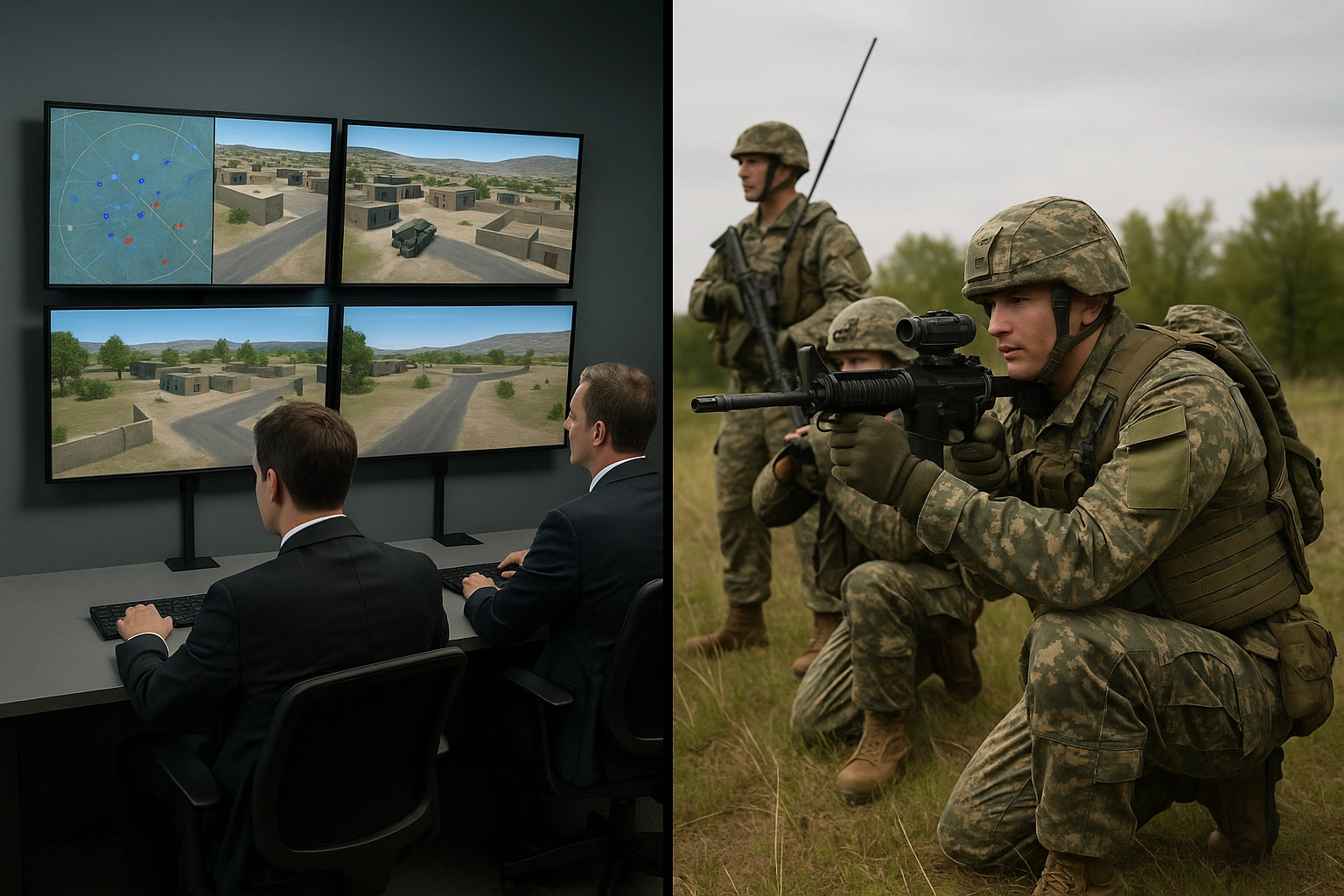
LVC training represents a revolutionary approach that combines three distinct training environments into a single, integrated system. Live training involves real people operating actual systems in field conditions. Virtual training uses computer-generated environments with real operators controlling simulated systems. Constructive training employs simulated people operating simulated systems, typically for command and control exercises.
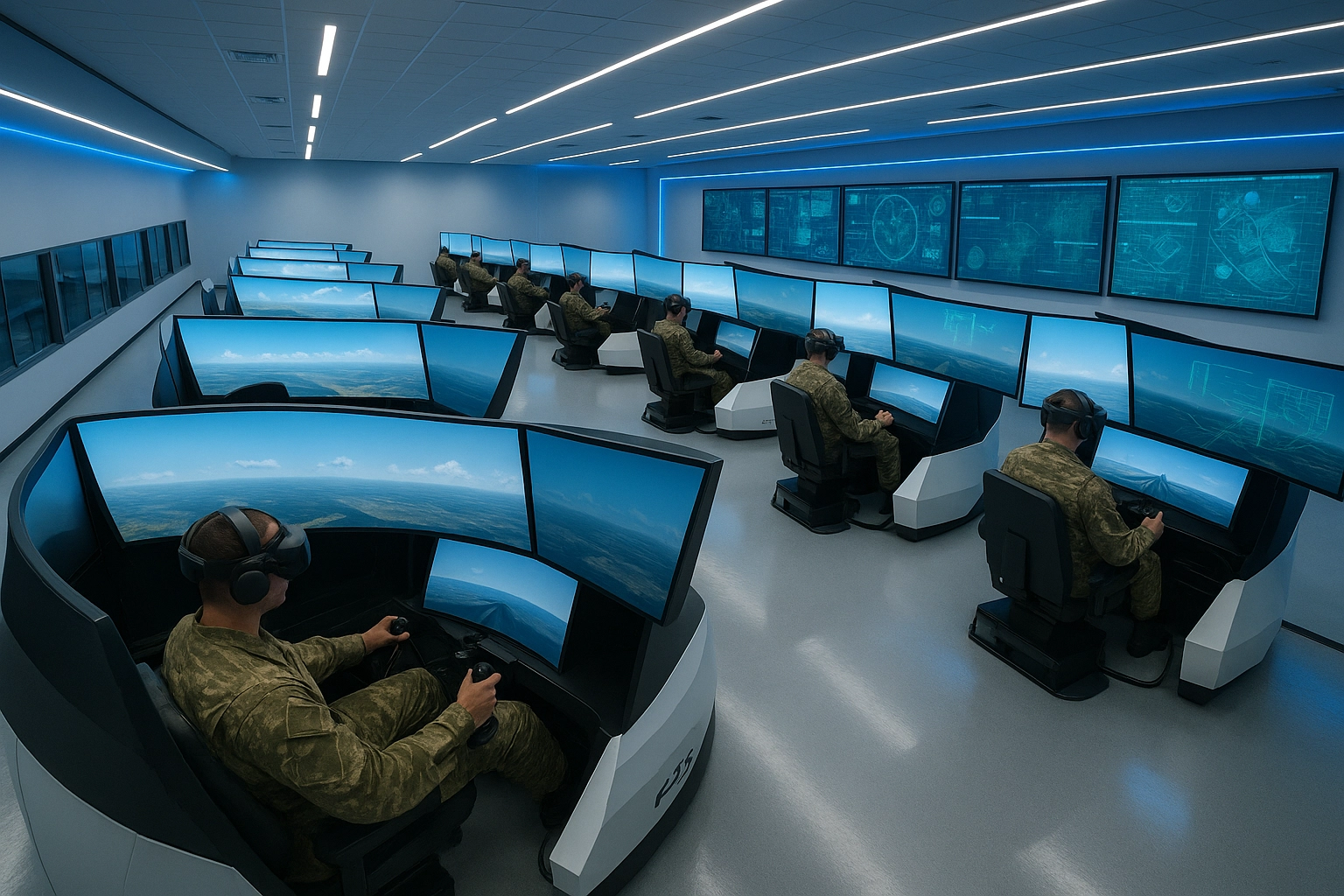
This integrated approach maximizes training effectiveness while minimizing logistical constraints. Unlike traditional methods that rely heavily on expensive field exercises, LVC training creates highly realistic scenarios that mirror genuine combat situations with remarkable fidelity. The system's adaptability allows training to be customized for individual soldier needs, providing a tailored experience that traditional methods cannot match.
For DOD contractors, this means unprecedented opportunities to assess candidate performance across multiple domains simultaneously. The integrated environment enables testing of decision-making skills, technical proficiency, and adaptability under pressure, all critical factors for military screening programs.
Traditional Training Methods: Strengths and Limitations
Traditional military training has historically relied on live exercises using real equipment and personnel in actual field conditions. This approach provides maximum realism and hands-on experience, which remains valuable for final validation and certification processes.
However, traditional methods face significant constraints in modern military contexts. The increasing lethality, expense, and complexity of modern weapon systems, combined with tightening training budgets, makes live training insufficient as the sole training method. The shrinking size and increasing variety of missions facing military branches has created personnel turbulence, making cost-effective team training particularly challenging at command and control levels.

These limitations directly impact screening effectiveness. Traditional methods often provide limited opportunities to test candidates under diverse scenarios, restricting the ability to identify those best suited for specific roles. The resource-intensive nature of live training also limits the frequency and duration of screening exercises.
Comparative Analysis: LVC vs Traditional Methods
The performance gap between LVC and traditional training becomes clear when examining specific metrics. Research demonstrates that LVC training delivers superior results across multiple dimensions critical for military screening programs.
Knowledge Transfer and Retention
A 2007 study on the Tactical Iraqi virtual training system found that Marines trained on virtual platforms achieved the largest increase in knowledge compared to other training methods. This advantage stems from LVC training's ability to provide immediate feedback, repeat scenarios for reinforcement, and adapt difficulty levels based on individual progress.
Cost Effectiveness
LVC training dramatically reduces logistics costs while maintaining high training fidelity. Traditional live exercises require extensive coordination, equipment transportation, and personnel deployment. LVC systems eliminate many of these requirements while enabling more frequent training cycles.
Scenario Flexibility
Perhaps the most significant advantage for screening purposes is LVC training's unlimited scenario creation capability. Traditional methods are constrained by available equipment, terrain, and safety considerations. LVC systems can simulate any operational environment, from urban combat to cyber warfare scenarios, providing comprehensive candidate assessment opportunities.
Risk Management
LVC training allows testing of high-risk scenarios impossible to replicate safely in live exercises. This capability proves invaluable for screening candidates who will face dangerous operational environments, enabling assessment of decision-making under extreme pressure without physical risk.
Strategic Benefits for DOD Contractors
DOD contractors implementing LVC training systems gain significant competitive advantages in military program screening. The technology enables contractors to identify high-potential candidates earlier in the process, reducing training costs and improving program success rates.
Enhanced Screening Precision
LVC systems provide detailed analytics on candidate performance across multiple domains. Every decision, reaction time, and tactical choice generates data that traditional methods cannot capture. This granular analysis enables contractors to identify candidates with the specific skill sets required for specialized roles.
Scalable Implementation
Unlike traditional training that requires extensive infrastructure and personnel, LVC systems scale efficiently across multiple locations. A single system can support numerous concurrent users, enabling contractors to screen larger candidate pools without proportional increases in resources.

Predictive Analytics
Advanced LVC systems incorporate machine learning algorithms that can predict candidate success in specific roles based on performance patterns. This predictive capability enables contractors to make more informed selection decisions, reducing attrition rates and improving overall program effectiveness.
Analytics and Screening Advantages
The analytical capabilities of modern LVC training systems represent a paradigm shift for military screening programs. Traditional methods rely on subjective assessments and limited performance metrics. LVC systems generate comprehensive data sets that enable objective, data-driven screening decisions.
Real-Time Performance Monitoring
LVC systems track every aspect of candidate performance in real-time, from reaction speeds to decision accuracy under pressure. This continuous monitoring provides insights impossible to capture through traditional observation methods.
Competency-Based Assessment
Rather than relying on general aptitude tests, LVC systems can assess specific competencies required for military roles. Cyber warfare candidates can be tested in simulated cyber environments, while pilots can be evaluated in realistic flight scenarios.
Longitudinal Tracking
LVC systems enable tracking of candidate progress over extended periods, identifying learning curves and adaptability patterns that predict long-term success. This longitudinal perspective proves particularly valuable for screening candidates for complex technical roles.
ROTC Program Implementation and Sponsorship
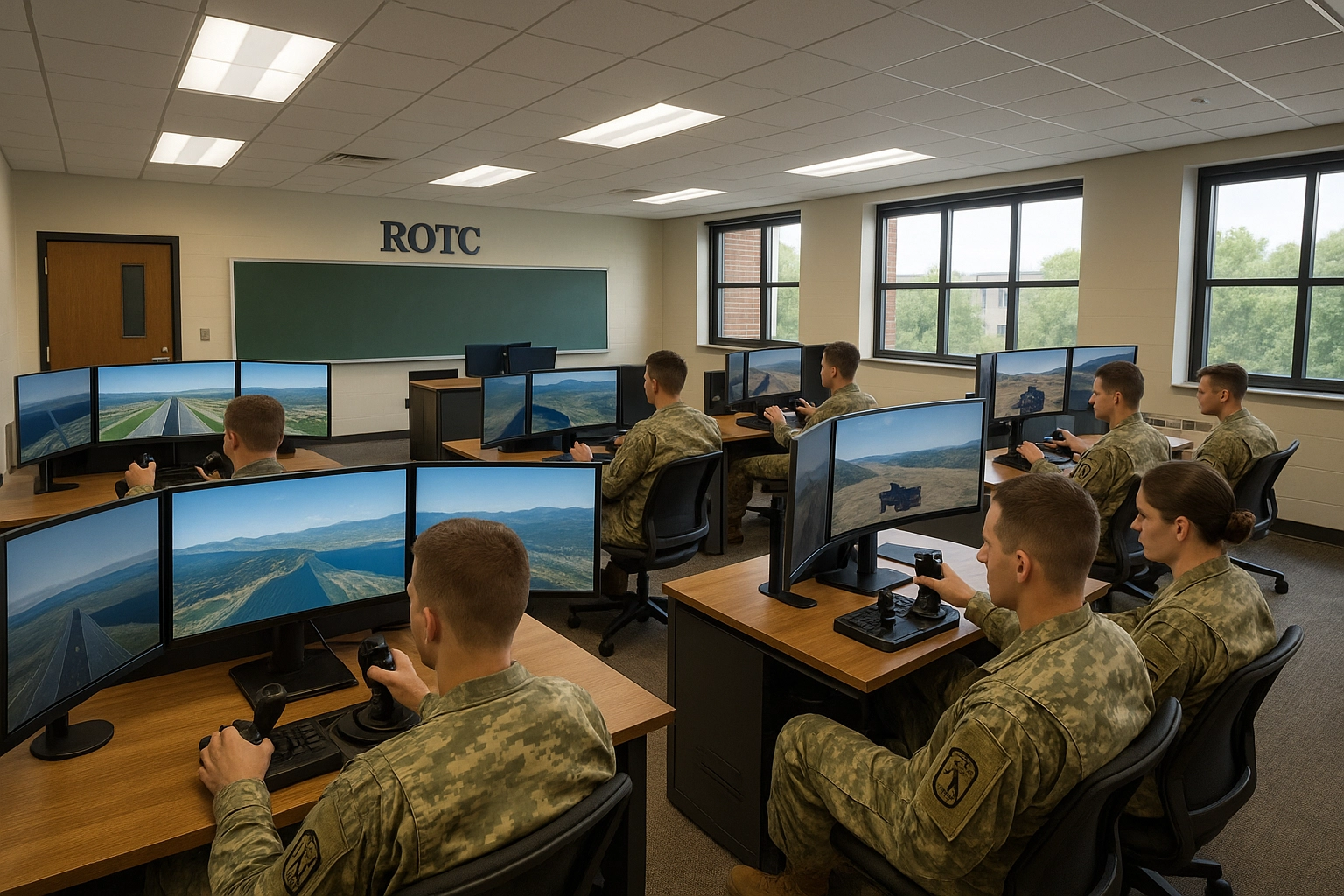
For DOD contractors seeking to build talent pipelines through ROTC program sponsorship, LVC training systems offer compelling value propositions. Universities can implement these systems at a fraction of the cost of traditional flight simulators or tactical training equipment.
University Partnership Opportunities
Contractors can sponsor LVC systems at universities nationwide, creating direct pathways for recruiting top talent. Students gain exposure to realistic military scenarios while contractors identify promising candidates early in their academic careers.
Curriculum Integration
LVC systems integrate seamlessly with existing ROTC curricula, enhancing traditional classroom instruction with practical application opportunities. This integration improves student engagement while providing contractors with extensive candidate assessment data.
Cost-Effective Outreach
Sponsoring compact LVC systems proves more cost-effective than funding traditional training equipment while reaching larger student populations. The systems' versatility enables use across multiple military specialties, maximizing return on sponsorship investments.
Return on Investment Analysis
The financial advantages of LVC training extend beyond initial cost savings. For DOD contractors, the technology delivers measurable ROI through improved screening accuracy, reduced training costs, and enhanced program success rates.
Reduced Attrition Costs
Better screening through LVC systems reduces candidate attrition during expensive advanced training phases. Each candidate who successfully completes training represents significant cost savings compared to traditional screening methods.
Accelerated Training Timelines
LVC-trained candidates often require less time in subsequent live training phases, reducing overall program costs. The knowledge transfer advantages identified in research translate directly to reduced training duration and associated expenses.
Enhanced Program Reputation
Contractors utilizing advanced LVC screening demonstrate technological leadership and commitment to training excellence. This reputation enhancement supports business development efforts and competitive positioning for future contracts.
The evidence overwhelmingly supports LVC training as the superior method for military program screening. DOD contractors implementing these systems gain significant competitive advantages while improving screening effectiveness and reducing costs.
Want more insights like this? Subscribe at smallfootprintsimulator.com.
Questions or partnerships? Call our AI Receptionist at +1 (970) 703-0102.
Dan Kost, CEO , Small Footprint Simulator
If this helped you, please comment, subscribe, and share.
Which screening challenge matters most for your military programs right now? Share your experiences in the comments below.
Share this article:
Tags: #Motivation #Branding #Strategy #Marketing #AdvertisingAndMarketing #digitalmarketing #Innovation #Sports #MilitaryTraining #LVCTraining #DefenseContractors #ROTCPrograms #SimulationTechnology