How Contractors Can Revolutionize Military Training with Small Footprint Simulators (Cost Analysis Included)
Defense contractors are transforming military training landscapes with compact, powerful simulation technology that delivers unprecedented value while reducing operational costs by up to 60%. Small footprint simulators offer DOD contractors a strategic opportunity to enhance military readiness through advanced screening, analytics-driven training, and nationwide ROTC program partnerships that build tomorrow's defense workforce today.
The Contractor Advantage: Portable Power Meets Military Precision
Today's military training demands flexibility, cost-effectiveness, and measurable results. Small footprint simulators deliver all three in a compact 445-pound package that fits virtually anywhere. These ruggedized systems, constructed from aircraft aluminum with recessed wheels for easy transport, require only minutes to set up and begin delivering world-class training experiences.
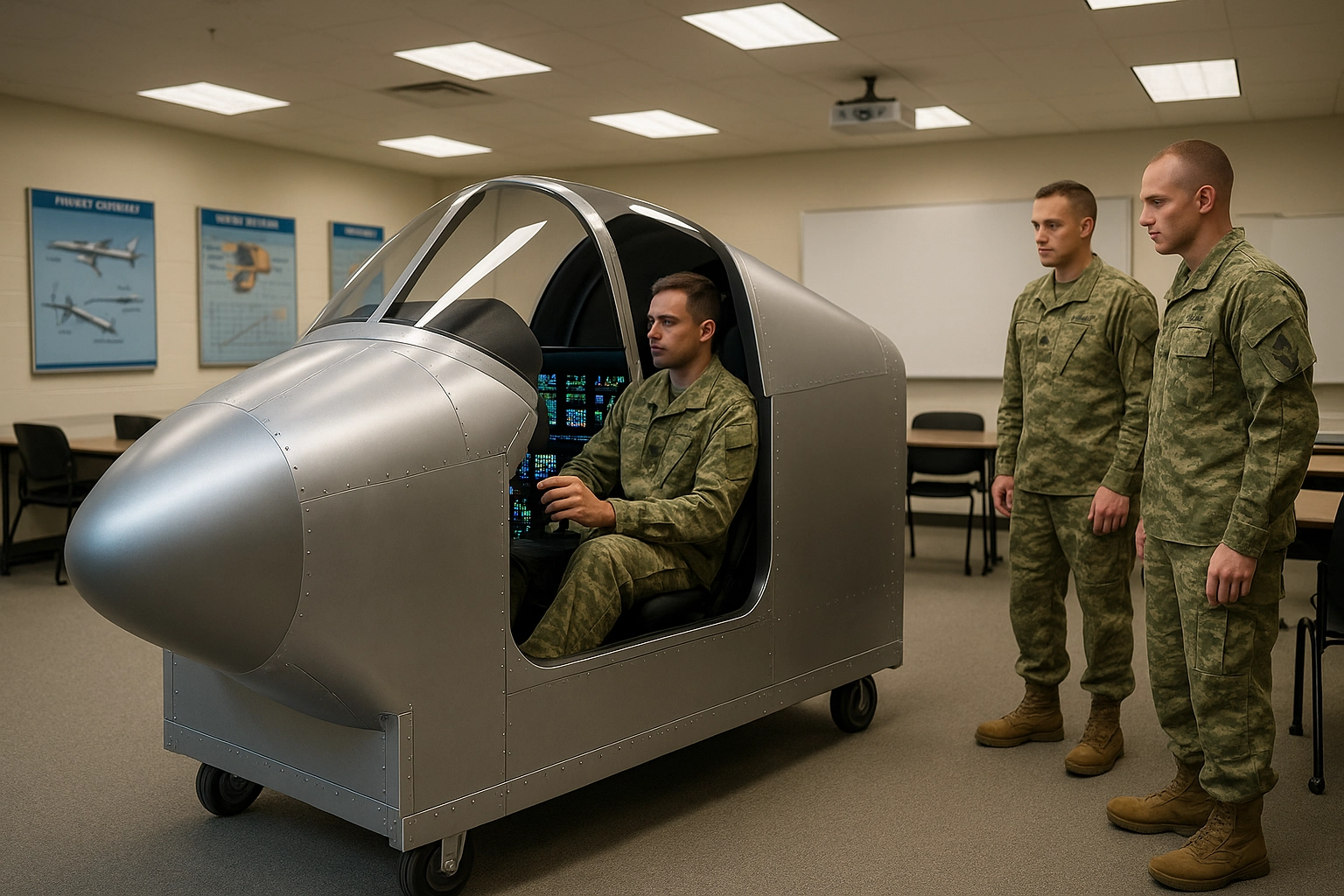
For DOD contractors, this portability translates into unprecedented market opportunities. Unlike traditional full-scale simulators that require dedicated facilities and massive infrastructure investments, small footprint systems can be deployed anywhere from classroom environments to remote training sites. Contractors can establish training partnerships with military units worldwide without the logistical complexity of permanent installations.
The plug-and-play design eliminates complex setup procedures while maintaining military-grade reliability. Each system includes high-performance processors, cutting-edge graphics capabilities, and lightning-fast SSD storage that supports everything from basic flight training to advanced tactical scenario planning.
Analytics That Drive Results: Screening and Performance Optimization
Modern military training requires more than simulation – it demands data-driven insights that identify top performers and flag potential issues before they become costly problems. Small footprint simulators excel in this critical area, collecting comprehensive performance data on every training session.
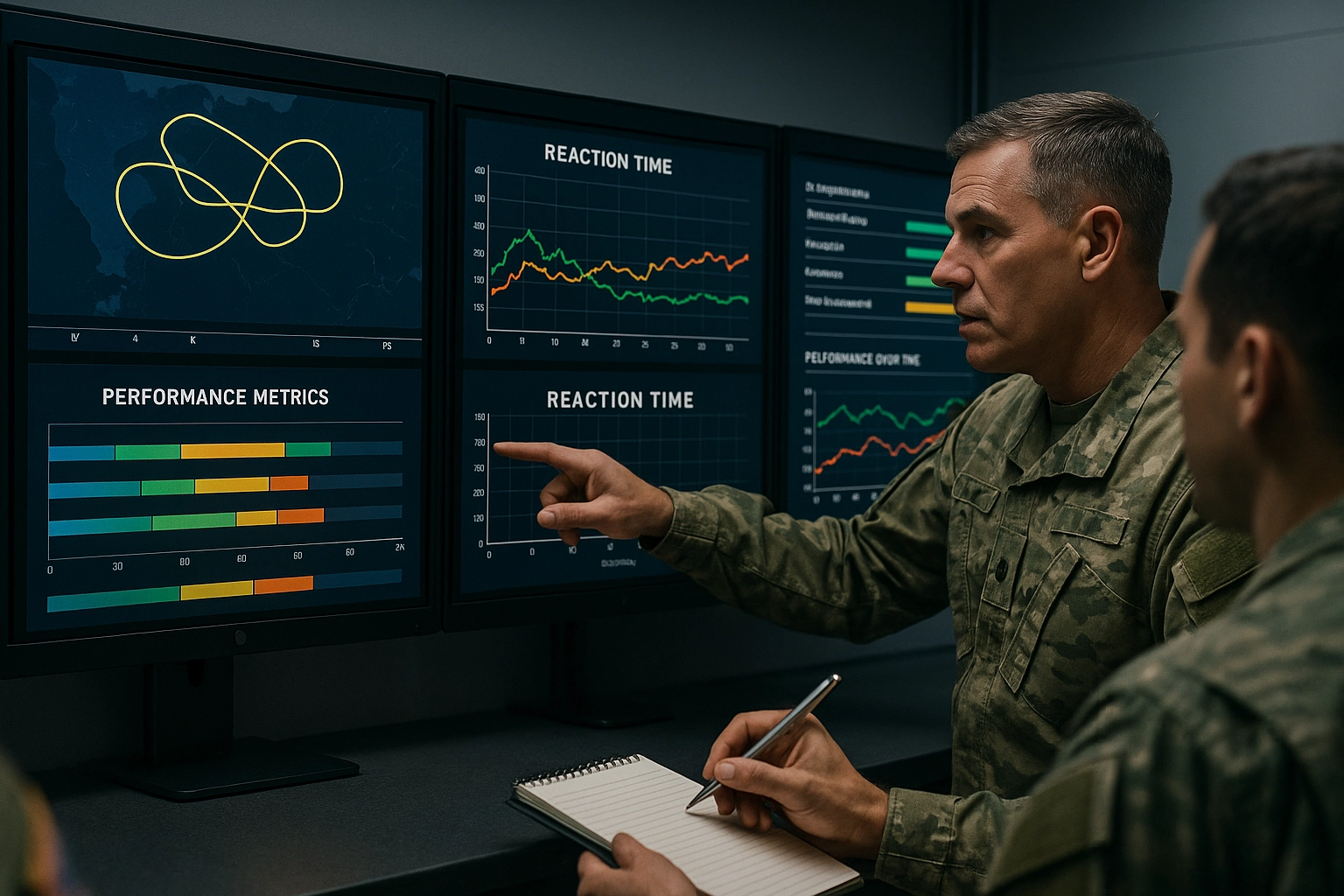
Contractors can leverage these analytics capabilities to offer military clients sophisticated screening programs that evaluate candidates across multiple competency areas. The systems track reaction times, decision-making patterns, stress responses, and technical proficiency with precision that traditional training methods cannot match.
This data becomes invaluable for identifying candidates who require additional training, those ready for advanced programs, and individuals who may not be suitable for specific military roles. For contractors, this represents a significant value proposition – the ability to help military organizations optimize their human capital investments while reducing training costs and improving overall readiness.
What metrics matter most to military training programs right now? Performance data from these systems can answer that question with unprecedented accuracy.
Classroom Integration: Transforming Educational Environments
Small footprint simulators excel in classroom environments where space constraints and budget limitations often prevent effective hands-on training. These compact systems transform any classroom into a sophisticated training facility capable of delivering immersive experiences that traditional lecture-based instruction cannot provide.
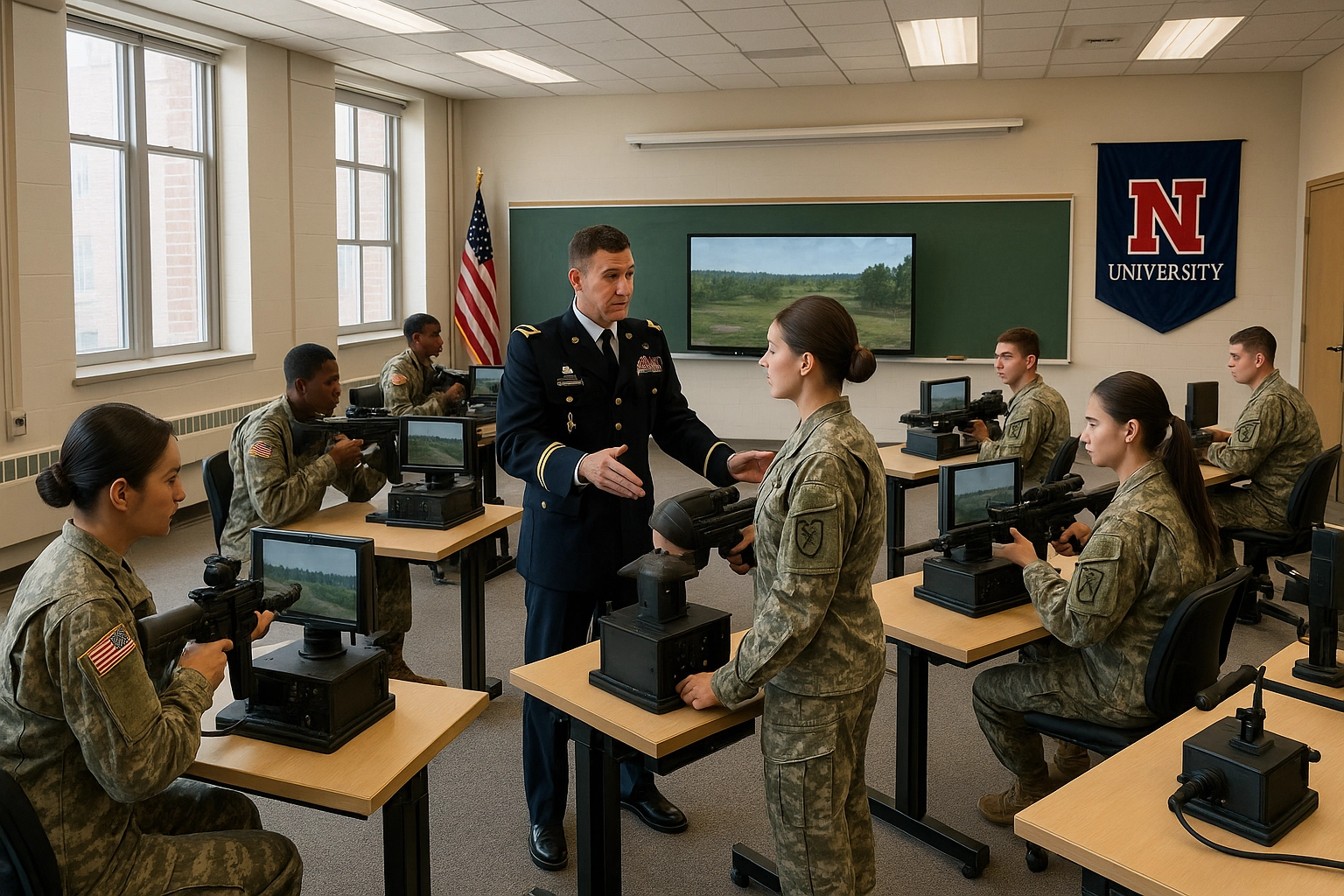
Contractors can partner with military educational institutions to establish comprehensive training programs that combine theoretical knowledge with practical application. Students can practice complex procedures, experience realistic emergency scenarios, and develop critical decision-making skills in controlled environments that eliminate risk while maximizing learning effectiveness.
The systems support diverse training applications including vehicle operation, equipment maintenance, tactical planning, and mission rehearsal. This versatility allows contractors to develop comprehensive training packages that address multiple military specialties within single classroom installations.
For instructors, the systems provide detailed performance analytics that identify areas where students need additional support, enabling more targeted and effective instruction. This data-driven approach to military education represents a significant advancement over traditional training methods.
Cost Analysis: Delivering Measurable ROI
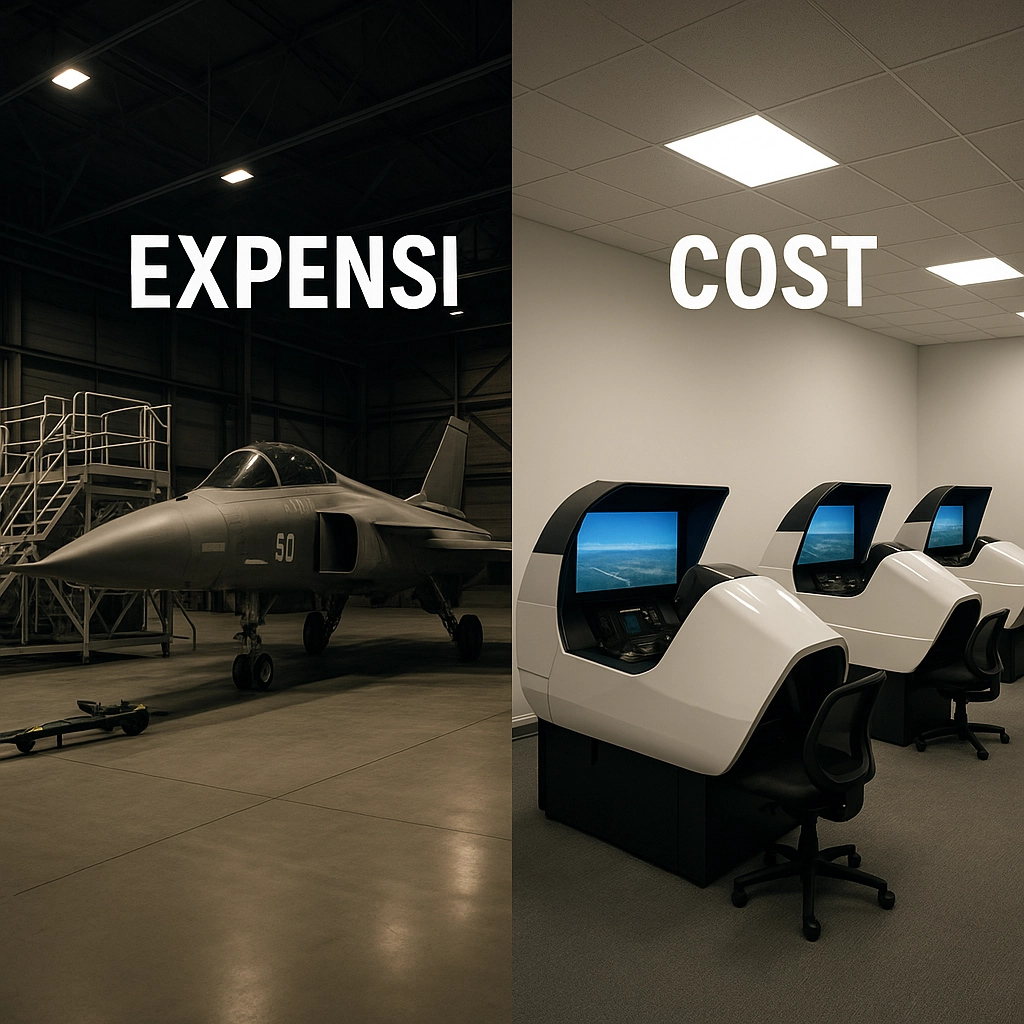
The financial advantages of simulator-based training are substantial and well-documented. Research demonstrates that simulator acquisition costs typically represent less than 60 percent of actual equipment trainers, with additional unit costs dropping to less than 20 percent of actual equipment expenses.
Most significantly, life-cycle cost analysis reveals that purchasing and operating simulators costs approximately 38 percent as much over a 15-year period compared to actual equipment training programs. For DOD contractors, this dramatic cost reduction creates compelling value propositions for military clients facing budget constraints while maintaining training requirements.
The cost benefits extend beyond initial acquisition:
- Eliminated Fuel Costs: Training programs eliminate expensive fuel consumption associated with live aircraft and vehicle training
- Reduced Equipment Wear: Simulation training preserves expensive military equipment for operational missions
- Lower Maintenance Requirements: Simplified maintenance procedures reduce ongoing operational costs
- Decreased Risk Exposure: Training programs eliminate risks associated with live equipment training
Contractors can quantify these savings for military clients, demonstrating clear ROI that justifies initial investments while delivering ongoing operational benefits. The four-year warranty provided with these systems further protects military investments and ensures sustained operational capability.
ROTC Program Sponsorship: Building Tomorrow's Military Leaders
ROTC programs nationwide represent an untapped opportunity for DOD contractors to build relationships with future military leaders while supporting critical training initiatives. Small footprint simulators are perfectly suited for university environments where space constraints and budget limitations often prevent effective hands-on training programs.
Contractors can establish sponsorship programs that provide ROTC units with advanced simulation capabilities while building brand recognition among tomorrow's military decision-makers. These partnerships offer multiple benefits:
For Universities: Access to cutting-edge training technology that enhances ROTC program effectiveness and attracts top-tier students seeking practical military experience.
For Students: Hands-on experience with advanced military simulation technology that prepares them for active duty while building technical competencies valued throughout military careers.
For Contractors: Direct relationships with future military leaders who will make procurement decisions throughout their careers, creating long-term business development opportunities.
Sponsorship programs can include equipment provision, technical support, training programs, and ongoing maintenance services. Contractors can develop comprehensive packages that support entire ROTC programs while building brand loyalty among military leaders.
Which universities should contractors target first for ROTC program partnerships? The answer depends on program size, existing relationships, and strategic objectives.
Implementation Strategy: Maximizing Contractor Success
Successful implementation requires understanding military procurement processes, building appropriate partnerships, and delivering measurable value throughout the engagement lifecycle. Contractors should focus on developing IDIQ (Indefinite Delivery-Indefinite Quantity) relationships that provide ongoing revenue opportunities while building long-term client partnerships.
The service model extends beyond equipment delivery to comprehensive lifecycle management including setup, training, maintenance, and performance optimization. Contractors who provide factory-trained technicians and comprehensive support services differentiate themselves from competitors while building deeper client relationships.
Global distribution capabilities become increasingly important as military training requirements expand worldwide. Contractors with strategic warehousing locations and international service capabilities can support military clients regardless of deployment locations or operational requirements.
For large-scale implementations, contractors should be prepared to handle complete project management including initial setup, testing, training delivery, and ongoing maintenance using secure, climate-controlled storage facilities when required.
The future of military training lies in cost-effective, data-driven solutions that deliver measurable results while reducing operational complexity. Small footprint simulators represent the convergence of these requirements in systems that contractors can deploy effectively across diverse military environments.
Want more insights like this? Subscribe at https://smallfootprintsimulator.com.
Questions or partnerships? Call our AI Receptionist at +1 (970) 703-0102.
Dan Kost, CEO , Small Footprint Simulator
If this helped you, please comment, subscribe, and share.
Share:
Tags: #Motivation #Branding #Strategy #Marketing #AdvertisingAndMarketing #digitalmarketing #Innovation #Sports #MilitaryTraining #DefenseContracting #SimulationTechnology #ROTCPrograms #MilitarySimulation #DefenseEducation