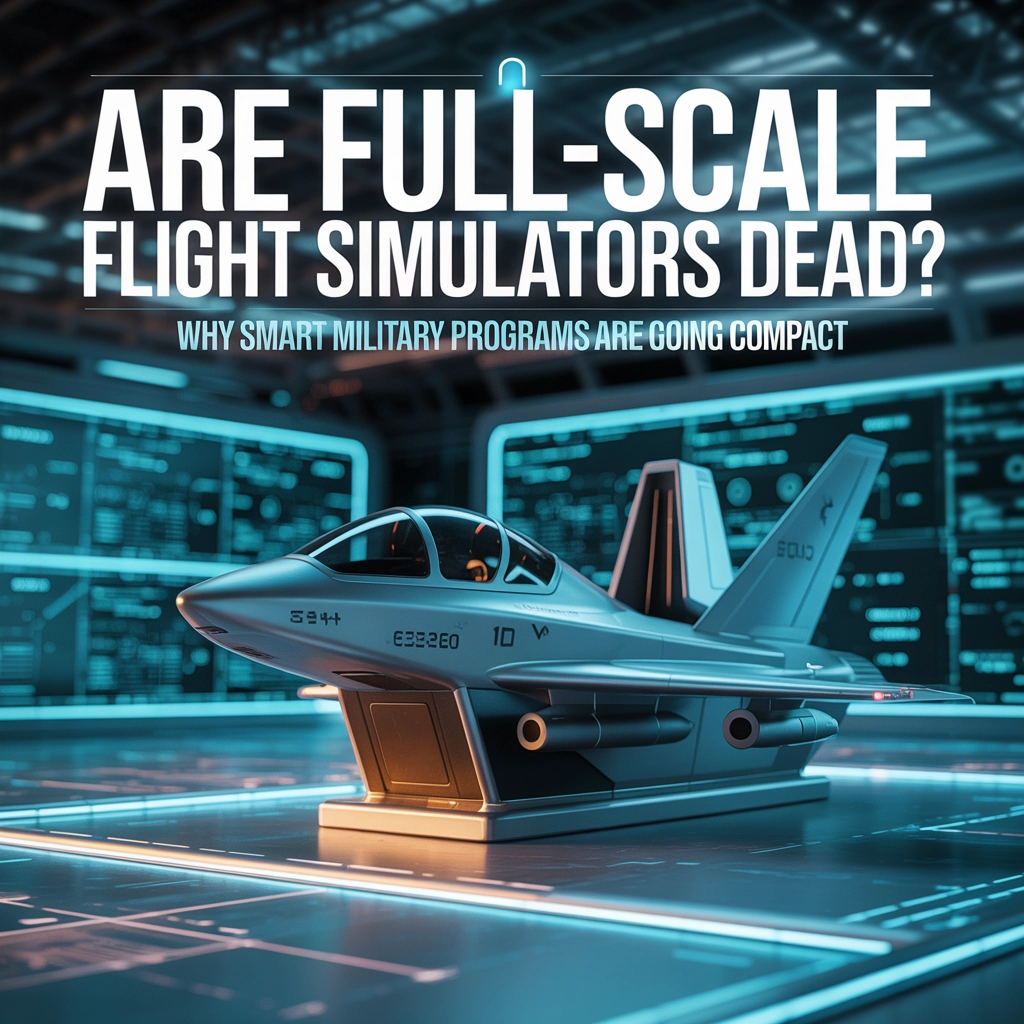
Are Full-Scale Flight Simulators Dead? Why Smart Military Programs Are Going Compact
Full-scale flight simulators aren't dead, they're evolving. Modern military programs are increasingly adopting compact, networked simulation systems that deliver sophisticated training capabilities while reducing infrastructure costs and operational complexity. These advanced compact solutions integrate AI, VR, and distributed networking to provide realistic training experiences without the massive footprint of traditional simulators.
The Current Reality: Full-Scale Simulators Are More Advanced Than Ever
Contrary to popular belief, today's full-scale military flight simulators have reached unprecedented levels of sophistication. Level D Full Flight Simulators now feature highly advanced motion cueing systems that replicate every physical sensation of flight, from turbulence to engine vibrations. High-fidelity graphics provide incredibly detailed environments using satellite data and aerial photography for terrain modeling.
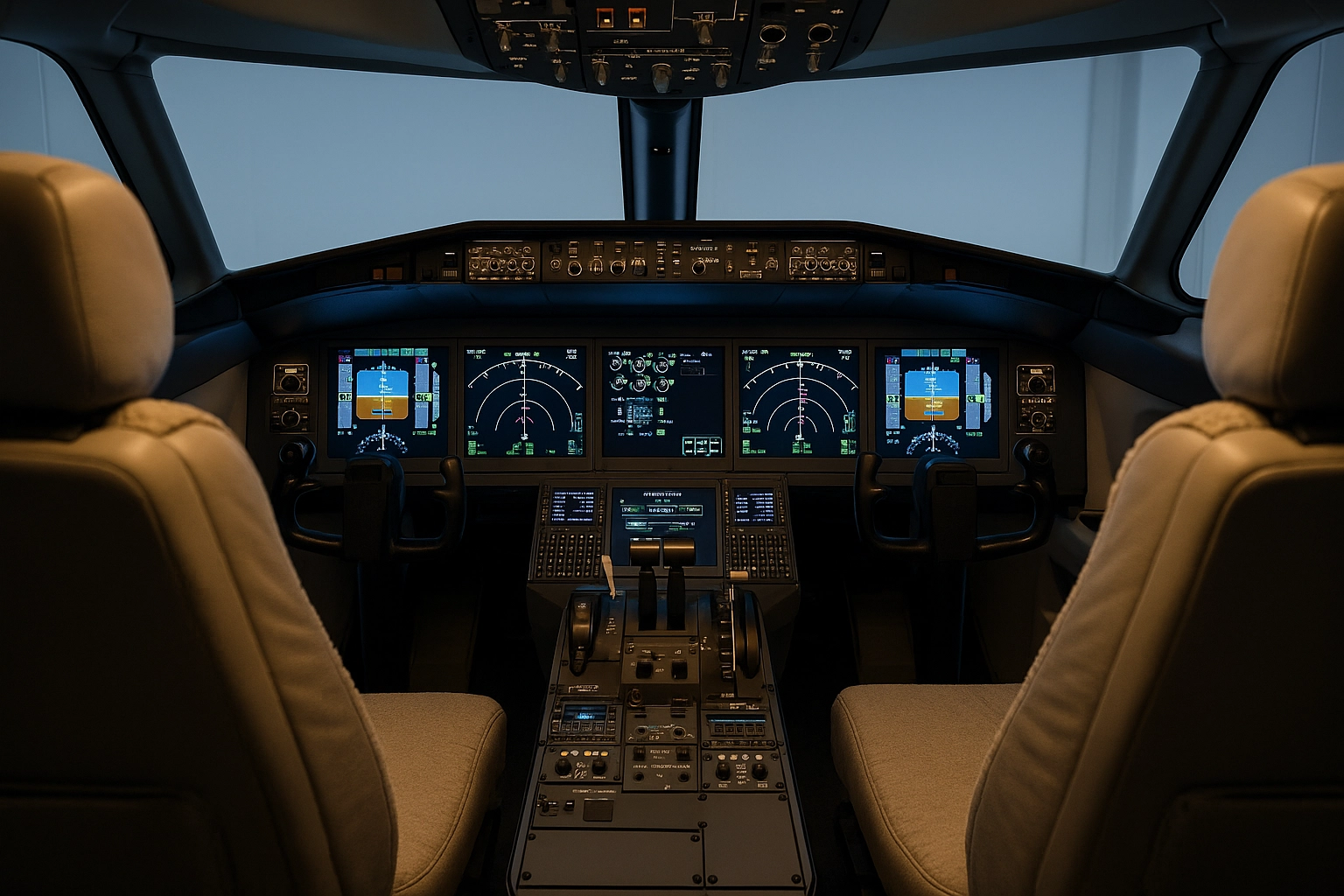
Modern Level D flight simulator cockpit with advanced avionics and realistic controls
These systems have become so realistic that pilots training on them cannot distinguish between simulator operation and actual aircraft flight. Enhanced weather effects, dynamic lighting, and detailed ground imagery ensure every aspect mirrors real-world conditions. The sophistication level has actually increased dramatically over the past decade.
However, the question isn't about capability, it's about efficiency, cost, and strategic deployment.
Technology Driving the Compact Revolution
Military flight simulator companies are pushing innovation boundaries through several key technological advances that make compact solutions increasingly attractive:
Virtual Reality and Augmented Reality Integration
VR and AR technologies create immersive training environments without requiring massive physical installations. Modern VR systems can replicate complex cockpit environments and provide realistic visual experiences that rival traditional dome-based systems. This technology significantly reduces the physical infrastructure needed for effective training.
Artificial Intelligence Enhancement
AI generates dynamic, unpredictable scenarios that adapt to pilot actions in real-time. These intelligent systems create sophisticated training without requiring massive simulator complexes. AI-driven training modules can simulate emergency scenarios, weather conditions, and tactical situations with remarkable precision.
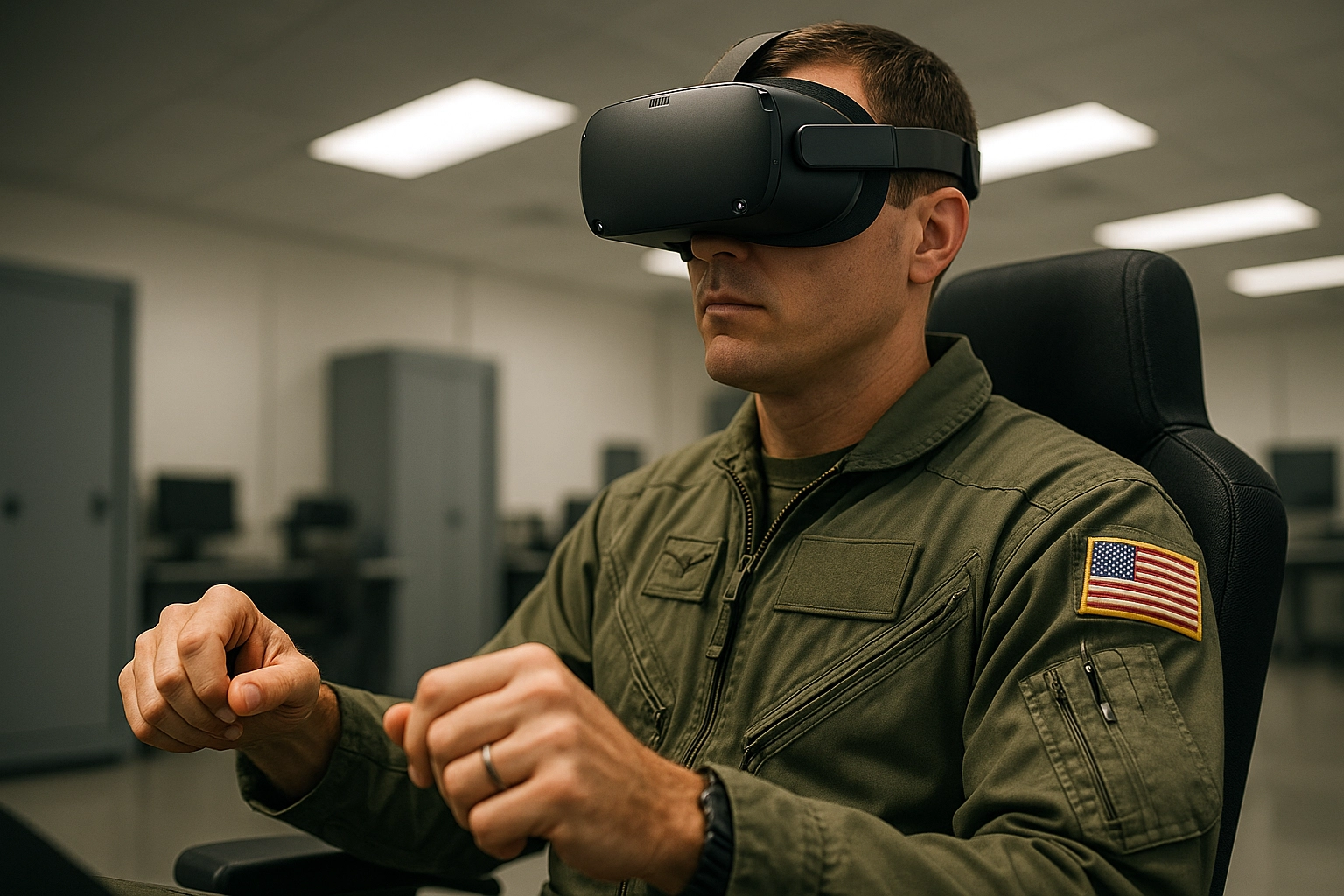
Military pilot using VR headset for flight simulation training
Networked Simulator Systems
Perhaps most significantly, networked simulators enable joint training exercises across different geographical locations. Multiple pilots can participate in coordinated missions while training from separate facilities. This networking capability reduces logistical challenges associated with large-scale training operations while fostering interoperability among allied forces.
Why Military Leadership Is Embracing Compact Solutions
The shift toward compact solutions reflects strategic thinking rather than technology limitations. Here's why smart military programs are making this transition:
Cost Efficiency and Budget Optimization
Compact, networked systems offer significant cost advantages over traditional full-scale installations. A single full-scale simulator can cost $15-30 million, while distributed compact systems can provide equivalent training value at a fraction of the cost. Maintenance, utilities, and facility requirements are dramatically reduced.
Flexibility and Deployment Advantages
Compact systems can be deployed closer to operational units, eliminating travel time and associated costs. Training can happen where pilots are stationed rather than requiring them to travel to centralized facilities. This proximity increases training frequency and effectiveness.
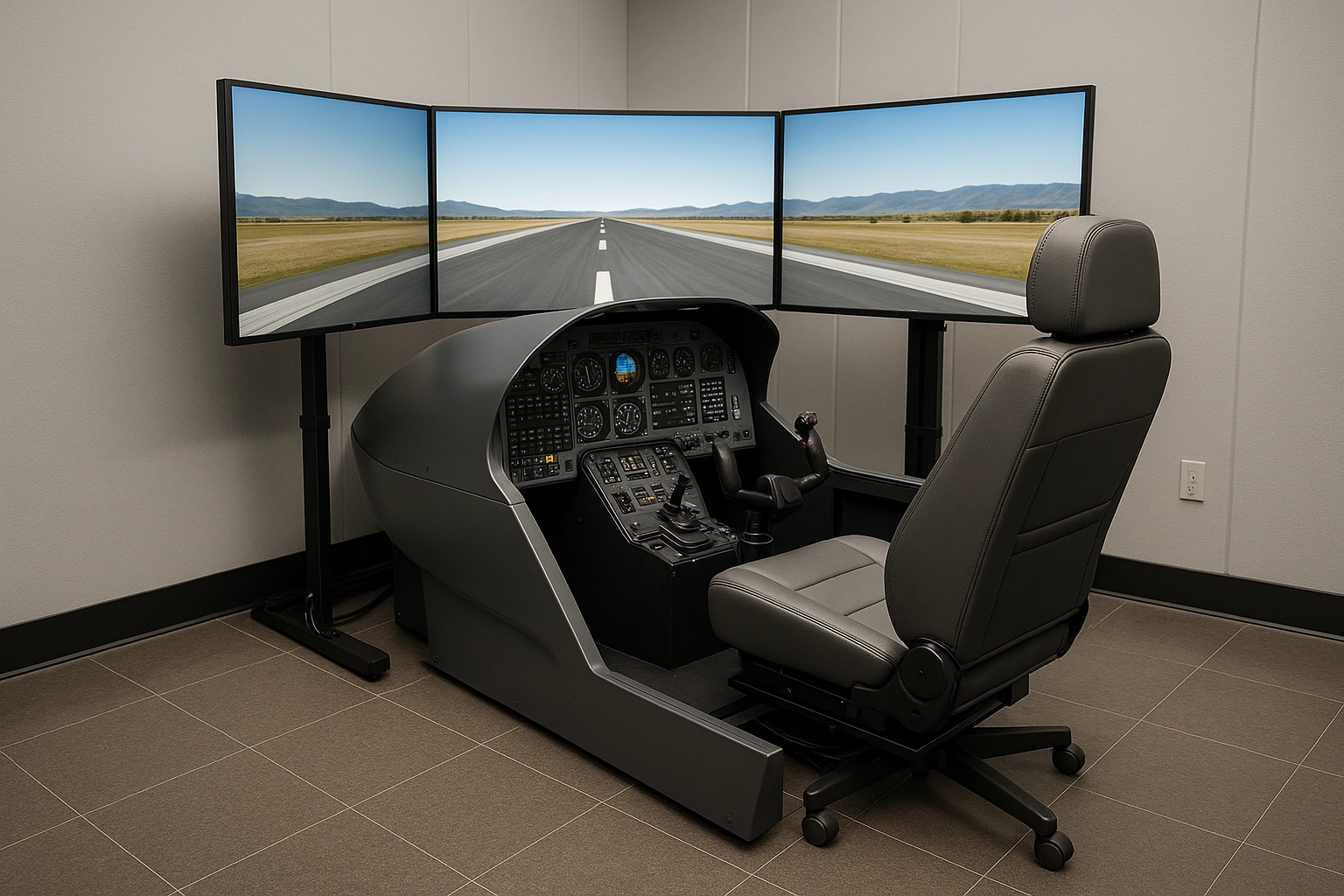
Compact flight simulator setup in military training facility
Scalability and Future-Proofing
Military programs can expand training capacity by adding networked nodes rather than constructing entirely new facilities. This modular approach allows for incremental investment and easier technology upgrades. As training needs evolve, additional units can be integrated seamlessly.
Enhanced Collaboration Capabilities
Networked compact systems enable multi-unit training exercises that would be impossible with traditional standalone simulators. Pilots from different bases can participate in coordinated missions, improving teamwork and communication skills essential for modern military operations.
The Strategic Advantage: Distributed Training Networks
Smart military programs recognize that distributed training networks offer strategic advantages beyond cost savings. These systems create resilience through redundancy, if one training facility experiences issues, others can continue operations. This distributed approach also enhances security by avoiding concentration of training assets in single locations.
What's your biggest challenge with current flight training infrastructure? Cost, capacity, or geographic limitations?
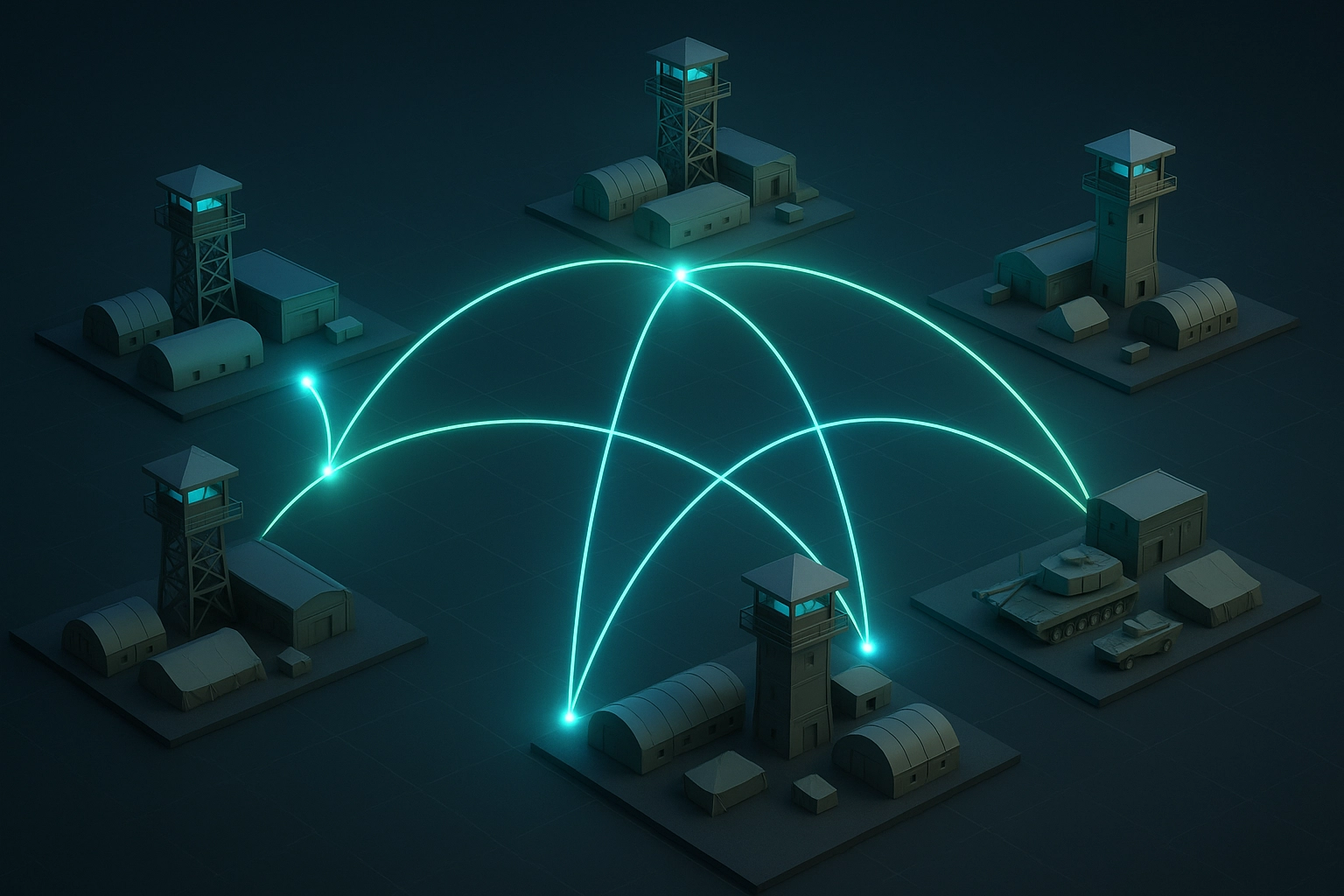
Network diagram showing connected military flight simulators across multiple bases
Real-World Implementation Success Stories
The U.S. Air Force has begun implementing distributed simulation networks that connect training facilities across multiple bases. These systems allow for joint training exercises without the logistical complexity of coordinating physical aircraft and personnel movements. Initial results show 40% cost reduction while maintaining training effectiveness.
The National Guard has particularly benefited from compact solutions, as their distributed structure aligns perfectly with networked simulation capabilities. Guard units can now conduct advanced flight training without requiring members to travel to distant full-scale facilities.
The Future Landscape: Hybrid Approach
Rather than complete replacement, the future involves strategic combination of full-scale and compact systems. Full-scale simulators continue serving specialized needs requiring complete motion simulation, while compact systems handle the majority of routine training requirements.
This hybrid approach optimizes both cost and training effectiveness. High-frequency training occurs on compact systems, while advanced certification and specialized scenarios utilize full-scale capabilities when necessary.
Making the Strategic Decision
Military decision-makers should evaluate their specific requirements, budget constraints, and strategic objectives when choosing between full-scale and compact solutions. Consider these factors:
- Training frequency requirements
- Geographic distribution of personnel
- Budget allocation and long-term costs
- Technology integration needs
- Collaboration requirements with other units
The most successful programs are those that strategically combine both approaches based on their unique operational needs.
Which approach would work best for your training program, full-scale, compact, or hybrid?
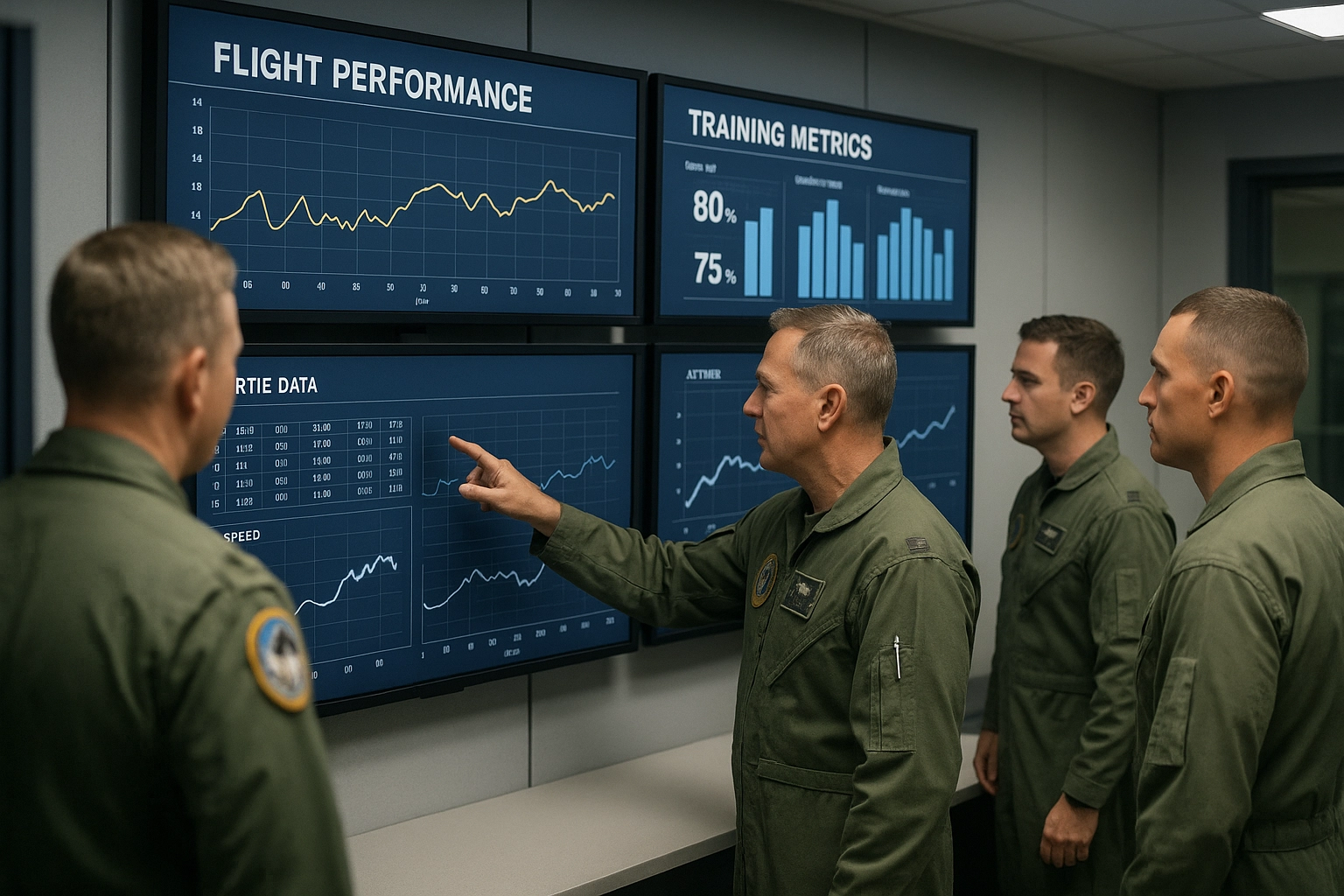
Military training officers reviewing flight simulator performance data
Key Takeaways for Military Leadership
Full-scale flight simulators remain valuable for specialized training requirements, but compact solutions offer compelling advantages for most routine training needs. The key is strategic implementation that maximizes training effectiveness while optimizing resource allocation.
Modern compact systems deliver sophisticated training capabilities through AI, VR, and networking technologies. They provide flexibility, cost efficiency, and scalability that traditional systems cannot match. Smart military programs are adopting hybrid approaches that leverage the strengths of both systems.
The evolution of flight simulation technology means military programs have more options than ever before. The question isn't whether full-scale simulators are dead, it's about choosing the right combination of technologies to meet your specific training objectives and budget requirements.
Want more insights like this? Subscribe at Small Footprint Simulator.
Questions or partnerships? Call our AI Receptionist at +1 (970) 703-0102.
Dan Kost, CEO , Small footprint simulator
If this helped you, please comment, subscribe, and share.
Share this article:
Tags: #FlightSimulation #MilitaryTraining #DefenseTechnology #Innovation #CompactSimulators #VirtualReality #ArtificialIntelligence #NetworkedTraining #MilitaryAviation #TrainingEfficiency