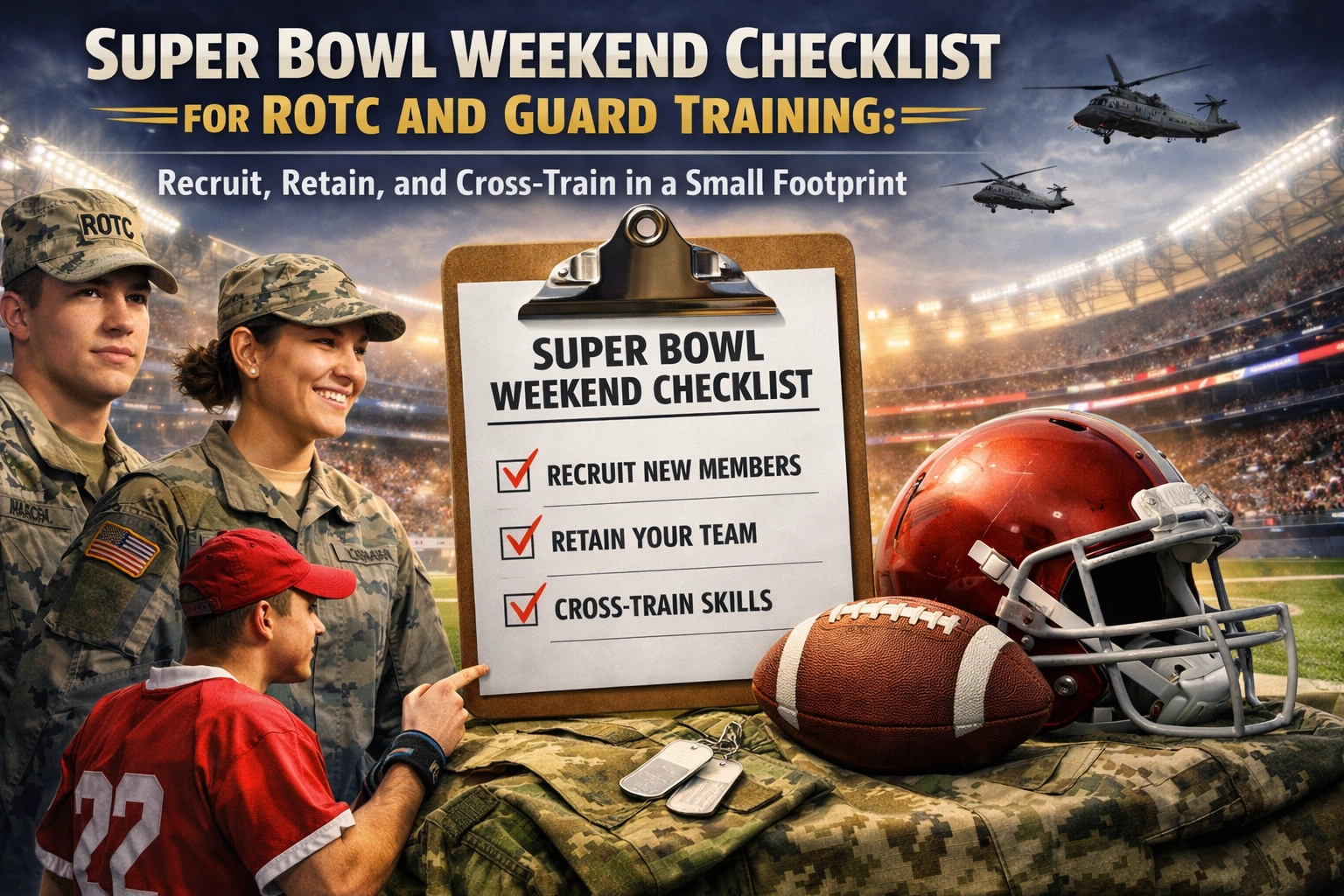
Super Bowl Weekend Checklist for ROTC and Guard Training: Recruit, Retain, and Cross-Train in a Small Footprint
Super Bowl weekend offers a unique recruiting and retention window for ROTC programs, National Guard armories, and military training facilities. With millions tuning in and large gatherings planned, this 72-hour period provides high-visibility opportunities to showcase training capabilities, engage prospects, and cross-train current personnel. The key? Using small footprint simulators and compact technology that fits in limited spaces without sacrificing training quality or mission readiness.
Why Super Bowl Weekend Matters for Military Recruitment
Super Bowl Sunday 2026 is more than just a game. It's a cultural moment when families gather, communities connect, and potential recruits are accessible in relaxed, open environments. ROTC detachments, Guard units, USAF and USSF recruiting offices can use this weekend to:
- Host open house events at armories and training centers
- Demonstrate cutting-edge simulation technology in small spaces
- Engage high school and college students during watch parties
- Strengthen retention by showcasing career development tools
- Cross-train instructors on new compact training systems
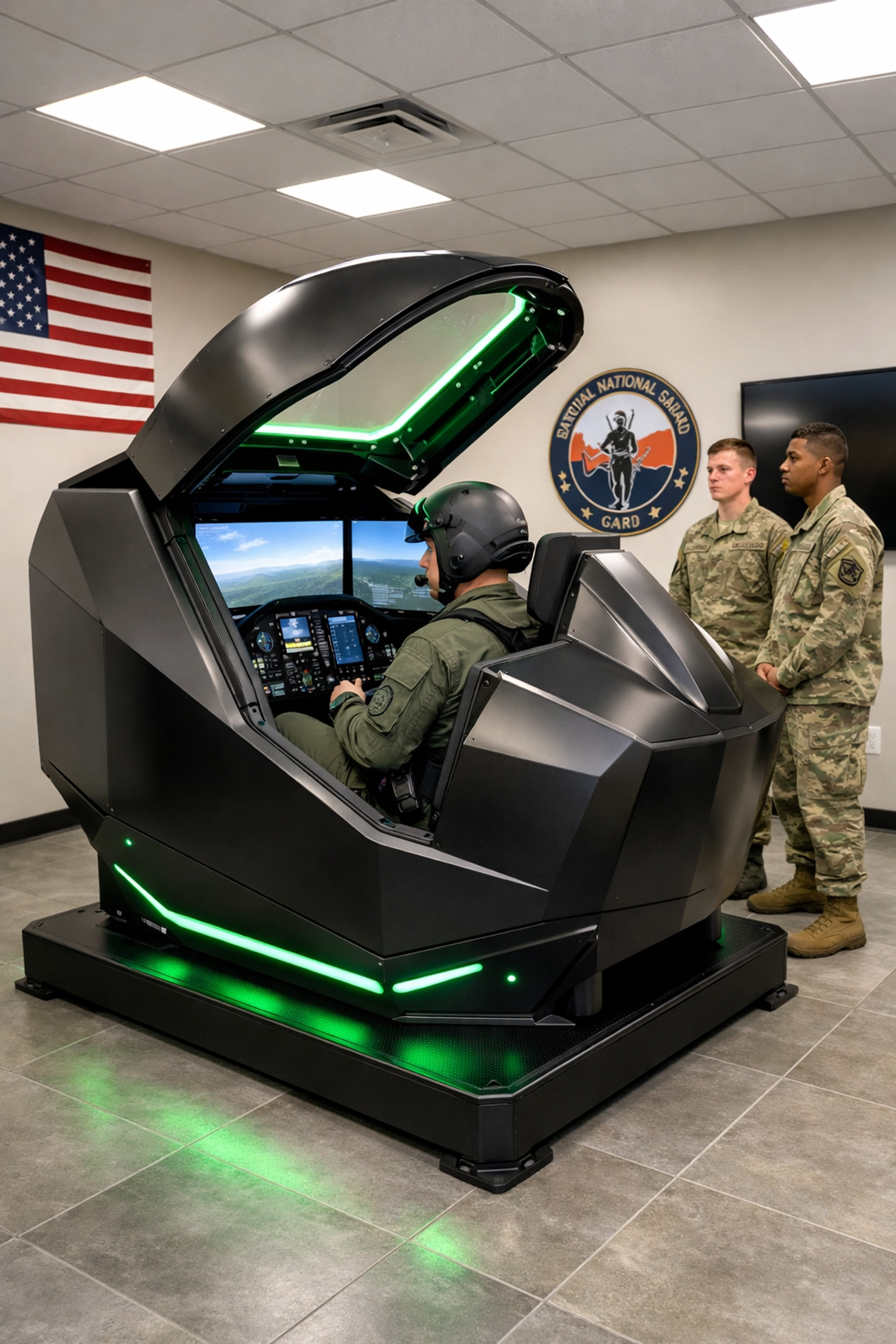
Small footprint simulators allow you to bring the mission anywhere. Whether setting up at a campus event, a Guard armory with limited floor space, or a recruiting office in a strip mall, these systems deliver full-fidelity training without the logistics nightmare of traditional full-size equipment.
The 72-Hour Game Plan: Recruit, Retain, Cross-Train
Friday: Pre-Game Setup and Community Outreach
Use Friday to position your recruiting and training assets. Set up demonstration pods at high-traffic locations like university student centers, National Guard Family Program events, or community recreation centers hosting Super Bowl activities.
Compact flight simulators and virtual training modules require minimal square footage (often under 500 square feet) and can be installed in hours. This allows recruiters to create immersive experiences that let prospects "try before they fly" without the overhead of traditional recruitment methods.
Focus Friday on:
- Installing demo units and testing connectivity
- Training staff on talking points and simulator operations
- Promoting Saturday and Sunday open house hours on social media
- Coordinating with local ROTC detachments and Guard public affairs
Saturday: Engagement and Demonstration Day
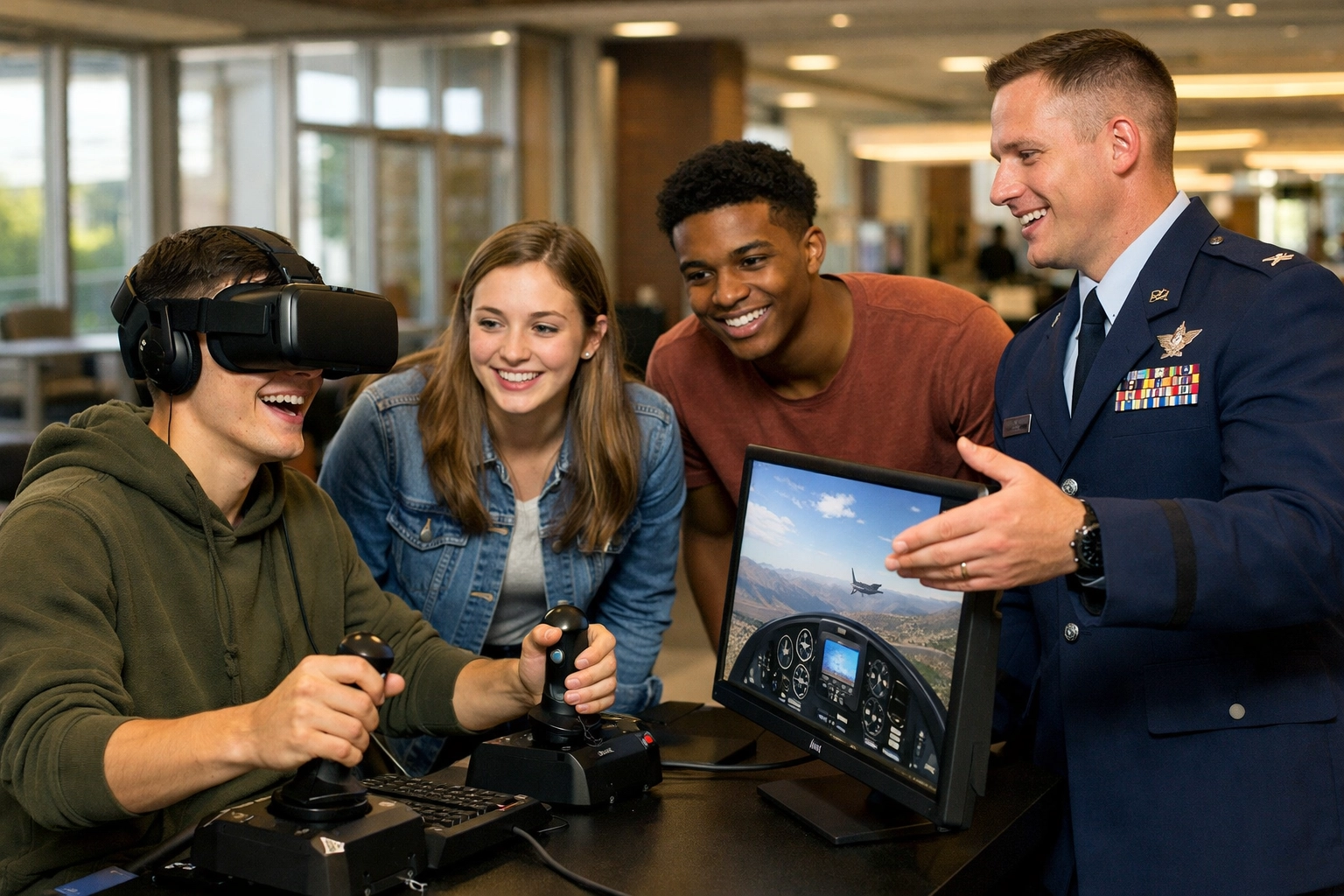
Saturday is your power day. Prospects are off work, students are available, and families are planning Super Bowl activities. Run extended demonstration hours (10 AM to 6 PM) and offer hands-on simulator time.
Your checklist:
- Welcome walk-ins and schedule 15-minute simulator sessions
- Capture contact information for follow-up (name, email, phone)
- Have recruiters discuss career paths, benefits, and training pipelines
- Show how small footprint technology supports real-world readiness
- Cross-train current cadets or Guardsmen on new systems during slow periods
Use tablet sign-in forms and QR codes to streamline data collection. Every visitor who sits in a simulator is a warm lead.
Sunday: Game Day Strategy and Long-Term Follow-Up
Super Bowl Sunday itself offers morning and early afternoon windows before kickoff. Open your facility from 10 AM to 2 PM for final walk-throughs and demonstrations.
After the game, shift to digital engagement. Post videos of the weekend's activities on LinkedIn, Facebook, Instagram, and X. Tag participants (with permission) and use high-quality photos showing real people in simulators, not stock images.
Watch this video to see how compact training solutions are changing military recruitment and readiness:
https://www.youtube.com/watch?v=l6J-0zileKE
This 72-hour push sets up your pipeline for the next quarter. Follow up with every contact within 48 hours while interest is fresh.
Small Footprint Simulators: The Strategic Advantage
Traditional flight trainers and tactical simulation systems require dedicated buildings, specialized HVAC, and extensive support infrastructure. Small footprint simulators eliminate those barriers.
Modern compact systems deliver:
- Full motion simulation in modular pods
- VR-enhanced training for rotary and fixed-wing aircraft
- Tactical decision-making scenarios for Guard and USSF personnel
- Esports-grade hardware adaptable for UAV and drone training
- Plug-and-play setup compatible with standard electrical systems
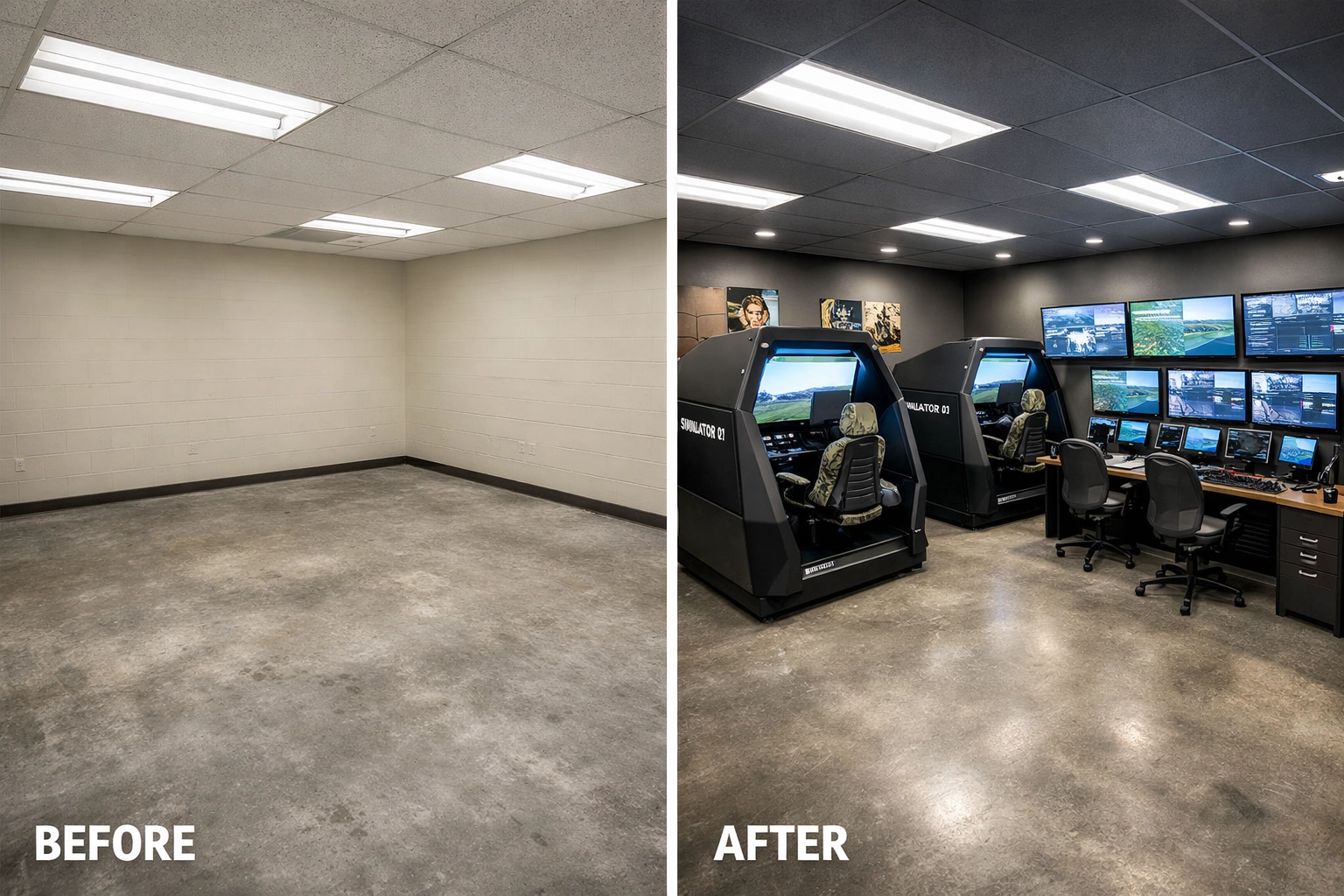
For ROTC programs operating in older campus buildings or Guard units in repurposed facilities, small footprint technology is mission-critical. You can install a complete training suite in a converted classroom, an unused supply room, or a corner of the armory bay.
Cross-Training Opportunities During the Super Bowl Window
Use downtime during the weekend to cross-train instructors and cadre on new systems. If your facility is hosting public demos Saturday and Sunday, schedule instructor familiarization sessions Friday evening or Sunday morning.
Cross-training benefits include:
- Increased instructor confidence with new technology
- Reduced training bottlenecks as more staff can operate simulators
- Improved student experience through consistent instruction quality
- Better ROI on simulation investments when utilization rates climb
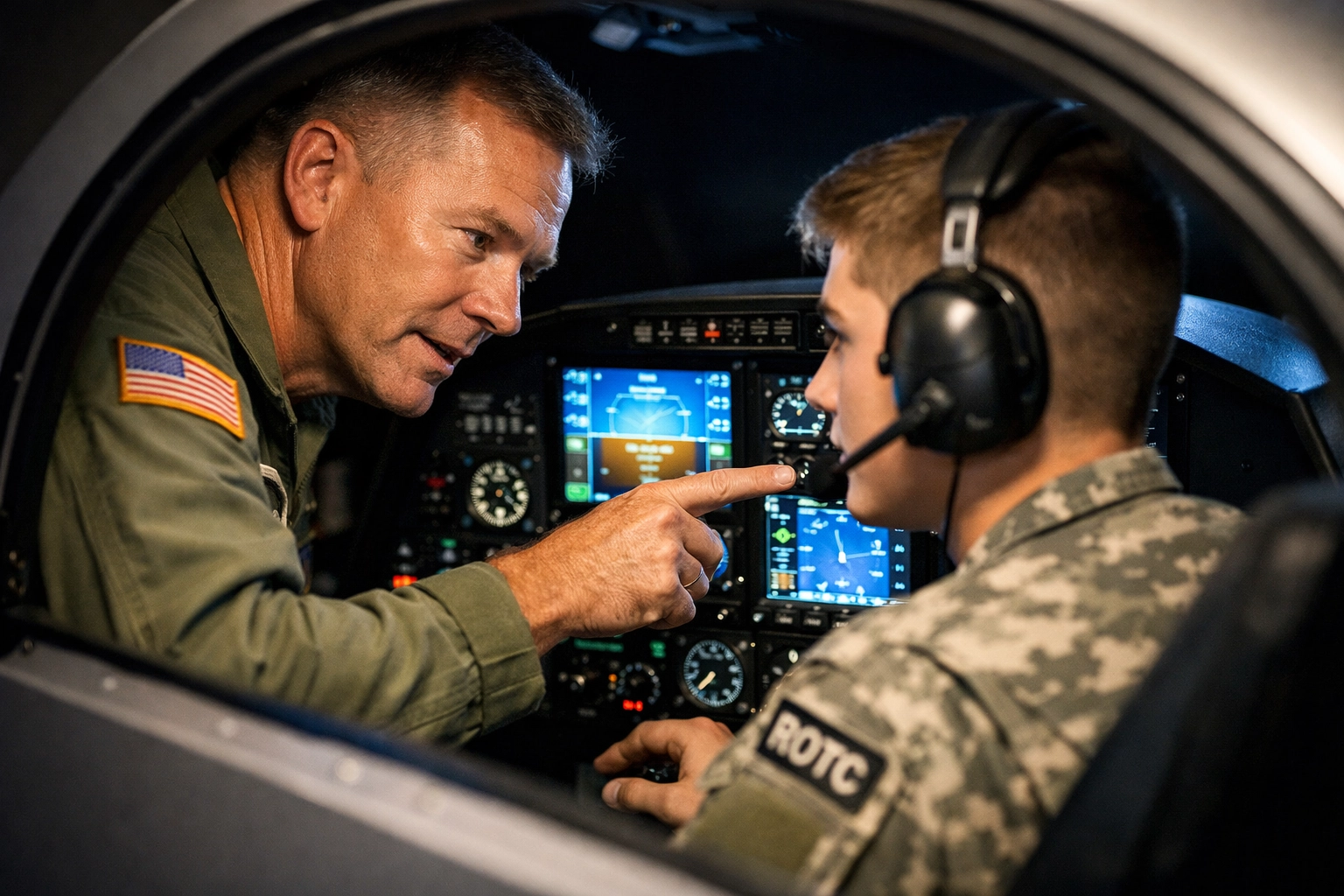
Small footprint systems are intuitive by design. Most instructors become proficient in under two hours, meaning you can onboard new cadre quickly and maintain training tempo even with staff turnover.
Retention Through Technology Investment
Current Guard members and ROTC cadets want access to cutting-edge training tools. When personnel see their unit investing in modern simulation technology, retention improves.
Simulators provide:
- Additional flight hours without aircraft operating costs
- Scenario repetition impossible in live training
- Safe failure environments where students learn from mistakes
- Data-driven performance tracking for individualized coaching
Showcasing these tools during Super Bowl weekend sends a message: your program is forward-thinking, resourced, and committed to excellence. That matters when cadets decide between commissioning and other career paths, or when Guardsmen weigh reenlistment.
Budget-Friendly Implementation for 2026
Compact simulators cost a fraction of full-size trainers. While a traditional Level D flight simulator runs $10-20 million, small footprint systems deliver 80% of the training value at 5-10% of the cost.
For ROTC detachments with limited budgets or Guard units facing facility constraints, this changes the calculus. You can deploy multiple pods across a state, bringing training to students rather than forcing students to travel to a single centralized facility.
Financing options, federal grants, and inter-service sharing agreements make acquisition easier. During your Super Bowl weekend outreach, document interest levels and gather data that strengthens future funding requests.
Measuring Success: Metrics That Matter
Track these KPIs from your Super Bowl weekend push:
- Number of prospects who tried the simulator
- Contact information captured for follow-up
- Social media impressions and engagement rates
- Follow-up appointments scheduled within 72 hours
- Instructor cross-training hours completed
- Media coverage generated (local news, campus papers, Guard newsletters)
Strong performance over one weekend can justify expanded recruiting budgets, additional equipment purchases, and leadership support for similar events throughout the year.
Taking Action Before Kickoff
The clock is ticking. If you want to capitalize on Super Bowl weekend 2026, start now:
- Reserve space for demo equipment at high-traffic venues
- Coordinate with marketing and public affairs for promotional materials
- Schedule cross-training sessions for instructors
- Test all simulator systems and connectivity
- Prepare data collection tools (tablets, QR codes, sign-in sheets)
- Brief recruiters on talking points and technology capabilities
- Plan social media content for live posting during the event
Small footprint simulators give you the flexibility to execute this plan anywhere. You are not limited by facility size, power requirements, or logistical complexity.
Visit Small Footprint Simulator to explore compact training solutions that fit your mission.
The Competitive Edge
ROTC programs, Guard units, and recruiting offices that embrace compact simulation technology gain a measurable advantage. You can train more people, in more locations, with better outcomes and lower costs.
Super Bowl weekend is your proving ground. Use these 72 hours to demonstrate that advantage to prospects, command leadership, and your community. The results will show in enrollment numbers, retention rates, and training readiness for months to come.
What did we miss that you want covered next? If you are planning a Super Bowl recruiting event, tell us your biggest challenge in the comments below.
Want more insights like this? Subscribe at www.smallfootprintsimulator.com.
Questions or partnerships? Call our AI Receptionist at +1 (970) 703-0102.
Dan Kost, CEO – Small Footprint Simulator
If this helped you, please comment, subscribe, and share.
Share this post:
LinkedIn | Facebook | X | Instagram
Tags: #Motivation #Branding #Strategy #Marketing #AdvertisingAndMarketing #digitalmarketing #Innovation #Sports #MilitaryTraining #ROTCRecruitment #NationalGuard #FlightSimulation #CompactTraining #SuperBowl2026