How to Choose the Best Flight Simulator for ROTC Programs (2025 Comparison Guide)
The integration of sophisticated flight simulation technology within ROTC programs has emerged as a critical component in preparing cadets for military aviation careers. Contemporary simulation platforms offer unprecedented realism and training value, yet the selection process requires careful evaluation of multiple technical, pedagogical, and budgetary factors. This comprehensive analysis examines the essential criteria for choosing optimal flight simulation systems specifically designed to meet the unique requirements of ROTC training environments.
Essential Evaluation Criteria for ROTC Flight Simulators
Training Alignment and Educational Integration
The paramount consideration in simulator selection involves alignment with military aviation training standards and seamless integration into existing ROTC curricula. Effective systems must support progressive skill development, from fundamental flight principles through advanced instrument procedures and emergency scenario management. Programs demonstrating exceptional outcomes, such as those achieving 86% pilot selection acceptance rates, invariably employ simulators that closely mirror real-world military aircraft systems and training protocols.
The simulation platform must accommodate diverse learning objectives while maintaining consistency with Air Force and Space Force training methodologies. This alignment ensures that cadet experiences translate effectively to subsequent military flight training phases, maximizing the return on educational investment.
Scalability and Multi-Station Architecture
ROTC programs serving substantial cadet populations require scalable solutions capable of accommodating varying enrollment numbers and training schedules. Optimal implementations feature multiple simulator stations that operate independently while maintaining networking capabilities for collaborative exercises. This architectural approach enables programs to maximize resource utilization while providing flexibility for both individual instruction and group training scenarios.
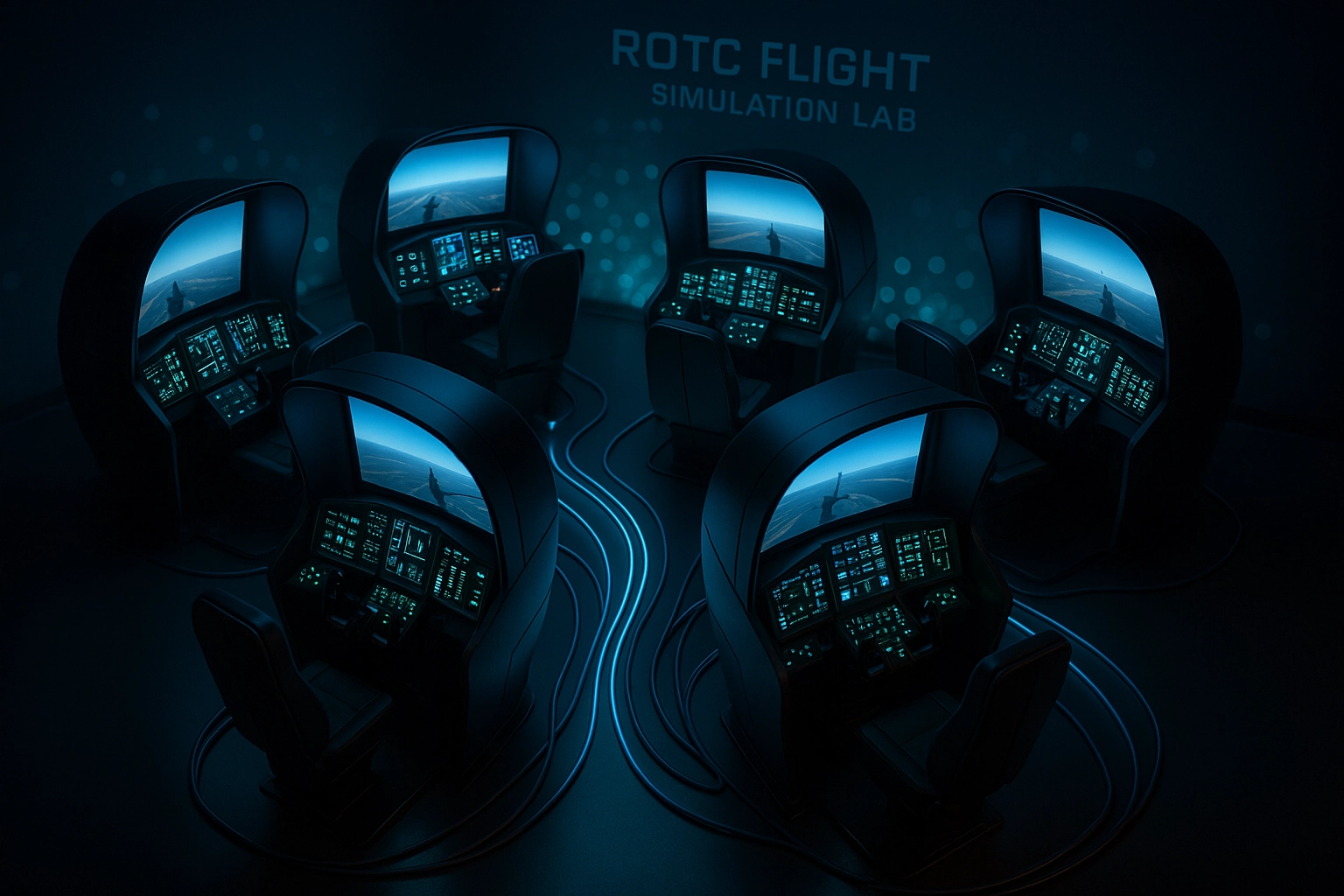
The capacity to support simultaneous multi-user sessions becomes particularly crucial during peak training periods and when implementing formation flying exercises or air traffic control simulations. Programs must evaluate their current enrollment projections and potential growth to ensure adequate system capacity.
Software Platform Analysis and Comparison
Microsoft Flight Simulator: Visual Training Excellence
Microsoft Flight Simulator represents the current pinnacle of visual realism in consumer-grade simulation platforms. The software excels in providing photorealistic terrain representation and dynamic weather modeling, creating immersive training environments particularly suited for visual flight rules instruction and geographical familiarization exercises.
While not certified for official flight hour logging, the platform's exceptional visual fidelity and real-world airport database make it invaluable for introductory flight concepts and spatial orientation training. The software's accessibility and relatively modest hardware requirements position it as an excellent entry-level option for programs with budget constraints.
X-Plane 12: Physics-Based Realism
X-Plane 12 distinguishes itself through superior flight dynamics modeling and extensive customization capabilities. The platform's physics-based approach to aircraft behavior simulation provides realistic handling characteristics across diverse aircraft types, making it particularly suitable for programs emphasizing fundamental flight skills development.
The software's compatibility with extensive hardware configurations, including professional-grade control systems and VR implementations, offers exceptional flexibility for programs with varying technical requirements. Its open architecture supports custom aircraft models and training scenarios, enabling programs to tailor the simulation environment to specific curriculum needs.
Prepar3D: Professional-Grade Implementation
Lockheed Martin's Prepar3D represents the professional standard in flight simulation technology, utilized extensively in commercial and military training environments. This platform offers the highest level of realism and system integration capabilities, supporting advanced training scenarios and professional certification pathways.
The software's robust architecture supports complex multi-user networking and instructor station implementations, making it ideal for comprehensive ROTC programs seeking maximum training value and professional-grade experiences. However, the platform's sophisticated capabilities require correspondingly advanced hardware specifications and technical expertise for optimal implementation.
Hardware Specifications and Technology Integration
Virtual Reality Implementation Strategies
Contemporary ROTC programs increasingly incorporate VR technology to enhance training immersion and effectiveness. Successful implementations combine high-resolution VR headsets with traditional display systems, providing flexibility for different training methodologies and individual preferences.

The integration of VR technology requires careful consideration of hardware compatibility, user comfort factors, and training objective alignment. Programs must evaluate the added value of VR immersion against increased system complexity and hardware costs.
Control System Requirements
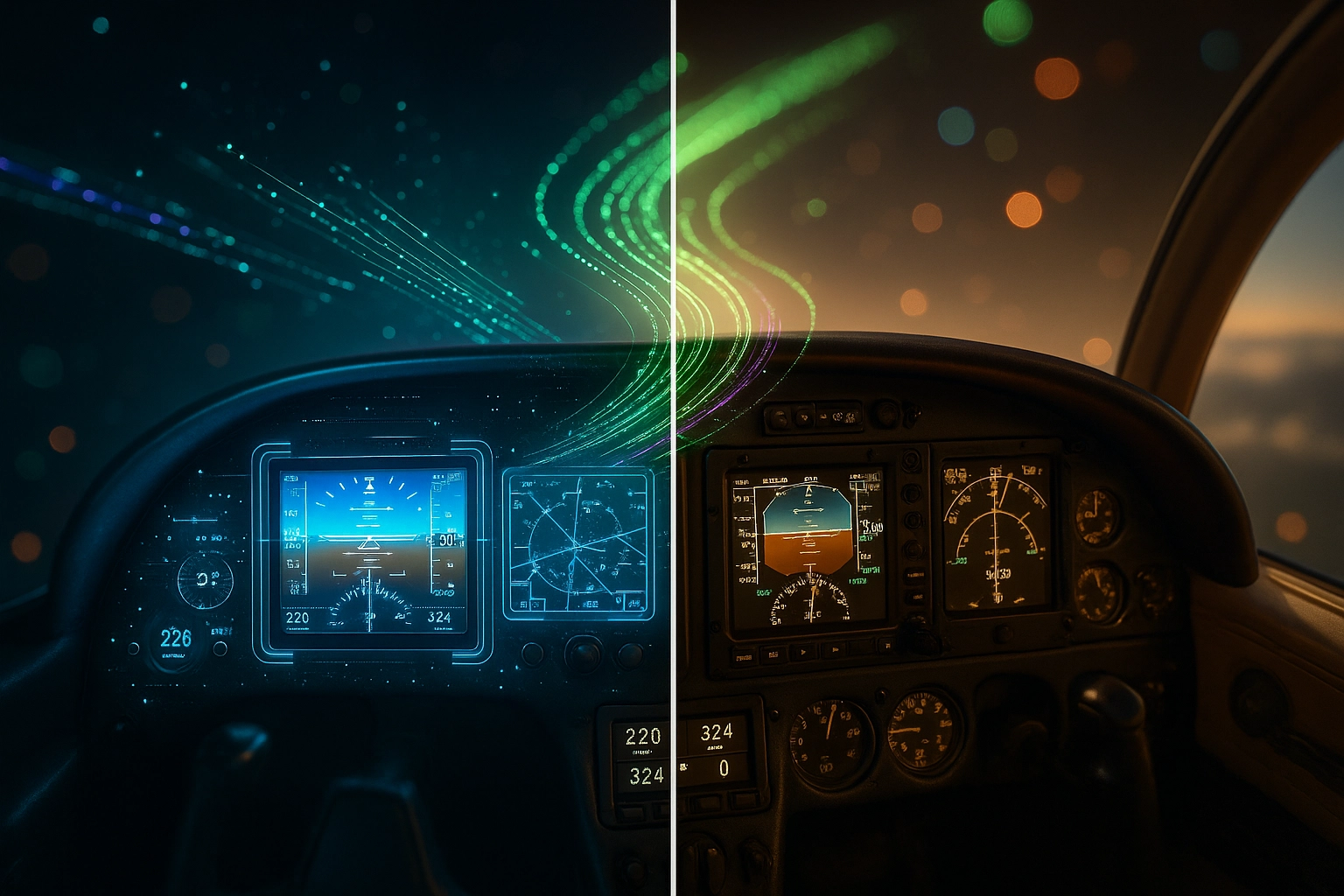
Professional-grade flight simulation demands comprehensive control systems that accurately replicate aircraft interfaces. Essential components include precision flight controls, throttle systems, rudder pedals, and instrument panels that mirror actual aircraft configurations.
Advanced implementations should incorporate realistic switch panels and navigation equipment, including GPS simulators and glass cockpit displays. These components provide essential hands-on experience with modern avionics systems, preparing cadets for technologically advanced aircraft operations.
Computational Hardware Specifications
Modern flight simulation platforms demand substantial computational resources to deliver optimal performance. High-end gaming computers with dedicated graphics processing units represent the minimum acceptable hardware specification for serious ROTC implementations.
Programs must consider not only initial performance requirements but also future software updates and expanding training needs when specifying hardware configurations. The investment in robust computing platforms ensures long-term system viability and training effectiveness.
Implementation Models and Strategic Approaches
Station Configuration Options
ROTC programs may choose between independent station configurations or fully networked implementations depending on training objectives and available resources. Independent stations provide maximum flexibility for self-paced learning and individualized instruction, while networked systems enable collaborative training exercises and advanced scenario development.
The optimal configuration balances training requirements with resource constraints, ensuring maximum educational value while maintaining operational efficiency. Programs should evaluate their specific training methodologies and cadet interaction patterns when determining the most suitable configuration approach.
Curriculum Integration Methodologies
Successful simulator implementation requires seamless integration with existing flight training curricula and progression standards. The simulation experience must complement rather than compete with actual flight instruction, providing foundational knowledge and skill development that enhances subsequent practical training.
Programs should develop structured simulation curricula that align with military aviation training standards and support cadet progression through various proficiency levels. This systematic approach maximizes the educational value of simulation technology while maintaining consistency with broader training objectives.
Budget Planning and Resource Allocation
Initial Investment Considerations
Flight simulator implementations involve substantial initial capital expenditures encompassing hardware, software, facility preparation, and training requirements. Programs must evaluate total cost of ownership, including ongoing maintenance, software licensing, and system upgrade expenses.
The investment in professional-grade equipment represents a significant commitment but provides long-term value through enhanced training outcomes and operational efficiency. Programs should consider financing options and potential cost-sharing arrangements with other departments or institutions.
Return on Investment Analysis
The value proposition for ROTC flight simulators extends beyond immediate training benefits to encompass improved pilot selection success rates, enhanced cadet preparedness, and reduced training costs compared to actual aircraft operations. Programs demonstrating exceptional outcomes validate the substantial return on investment achievable through strategic simulator implementation.
Quantifiable benefits include increased training hours per cadet, improved safety margins during skill development, and enhanced preparation for competitive military aviation selection processes. These outcomes justify the initial investment while providing measurable program enhancement.
Recommendations by Program Scale and Requirements
Large-Scale Program Implementation
Comprehensive ROTC programs serving substantial cadet populations benefit from multi-station implementations featuring advanced VR capabilities, professional-grade hardware, and networking functionality. These programs should prioritize Prepar3D or advanced X-Plane 12 configurations with full instructor station capabilities.
Medium-Scale Program Solutions
Mid-sized programs achieve optimal balance through 4-6 station implementations utilizing X-Plane 12 or Microsoft Flight Simulator platforms. This configuration provides adequate training capacity while maintaining cost-effectiveness and operational simplicity.
Compact Program Approaches
Smaller ROTC programs can achieve significant training enhancement through focused implementations of 2-4 high-quality stations. These programs should prioritize individual station quality over quantity, emphasizing VR capabilities and comprehensive control systems.
The selection of appropriate flight simulation technology for ROTC programs requires comprehensive evaluation of training objectives, technical requirements, and resource constraints. Successful implementations align simulation capabilities with educational goals while providing scalable solutions that enhance cadet preparation for military aviation careers. Through careful planning and strategic investment, ROTC programs can leverage advanced simulation technology to achieve superior training outcomes and measurable program enhancement.