ROTC Program Sponsorship: 5 Steps to Build Your Defense Contractor Pipeline Through Simulation Technology
Defense contractors seeking to build sustainable talent pipelines are discovering that ROTC program sponsorship through simulation technology creates unprecedented opportunities for early engagement with future military leaders. By sponsoring Small Footprint Simulators at universities nationwide, contractors can establish meaningful relationships with cadets while demonstrating their commitment to military readiness and advanced training capabilities.
ROTC program sponsorship through simulation technology allows defense contractors to engage with future officers during their formative years, building brand recognition and technical expertise that translates into long-term partnerships. This strategic approach combines workforce development with marketing objectives, creating value for universities, military programs, and contractor organizations simultaneously.
Step 1: Understand ROTC Program Structure and Timing
Success in ROTC sponsorship requires understanding how military programs operate and when students make career-defining decisions. ROTC programs contain two distinct student categories that present different engagement opportunities for contractors.
Enrolled students participate in basic courses without financial obligations, exploring military careers while maintaining flexibility. These students represent early-stage prospects who can be influenced toward defense industry careers through exposure to cutting-edge simulation technology.
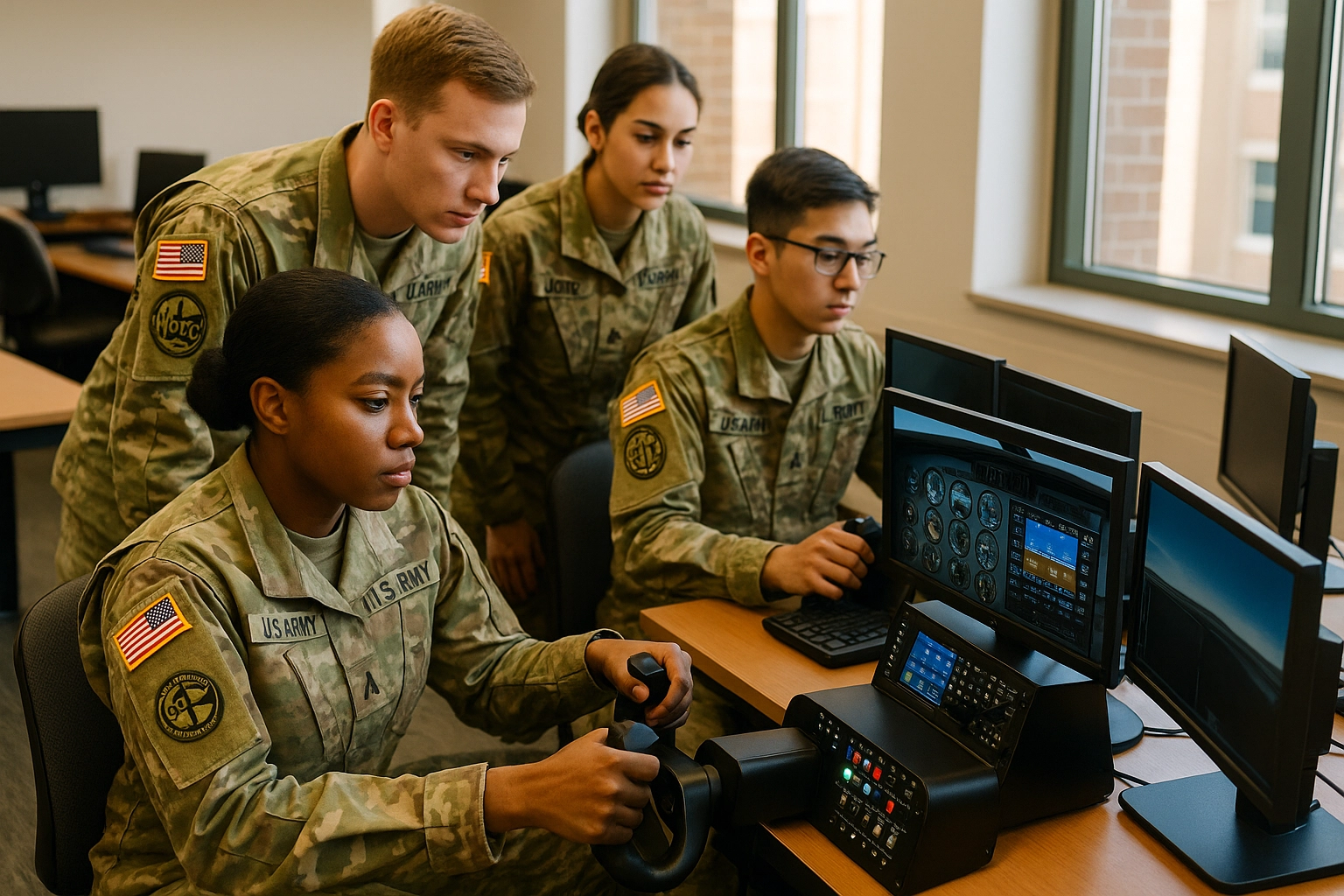
Contracted students have committed to military service upon graduation and receive comprehensive benefits including full tuition coverage, monthly subsistence payments, and specialized training opportunities. These cadets represent the highest-value pipeline targets since they will enter active duty with technical skills gained through simulator training programs.
The contracting process typically occurs during sophomore year, though scholarship recipients contract as freshmen. This timeline provides contractors with clear engagement windows to influence career development before students enter military service. Understanding this structure enables contractors to target resources effectively and build relationships at optimal moments.
Strategic timing also involves recognizing when cadets begin exploring post-military career options. Many students start considering defense contractor opportunities during their junior and senior years, making simulator sponsorship programs valuable for long-term recruitment efforts.
Step 2: Establish Strategic University Partnerships
Building successful ROTC sponsorship programs requires comprehensive partnerships that extend beyond simple equipment donations. Defense contractors must establish deep relationships with universities that host ROTC programs, creating mutually beneficial arrangements that support both academic and military objectives.
The Georgia Tech Research Institute model demonstrates how major defense contractors can establish comprehensive facilities that serve multiple purposes. With over 200,000 square feet of laboratories and 140,000 square feet of high-bay industrial space, these partnerships create immersive environments where students gain hands-on experience with defense technologies.

Successful partnerships include research contracts that fund ongoing operations while providing students with practical experience. GTRI receives over $780 million annually in sponsored funding, with 90 percent originating from Pentagon contracts. This funding model shows how contractors can position themselves as primary research sponsors while building talent pipelines.
Universities benefit from access to advanced simulation technology that enhances their ROTC programs and provides students with competitive advantages in military careers. Small Footprint Simulators offer particular value because they require minimal space while delivering comprehensive training capabilities across multiple military domains.
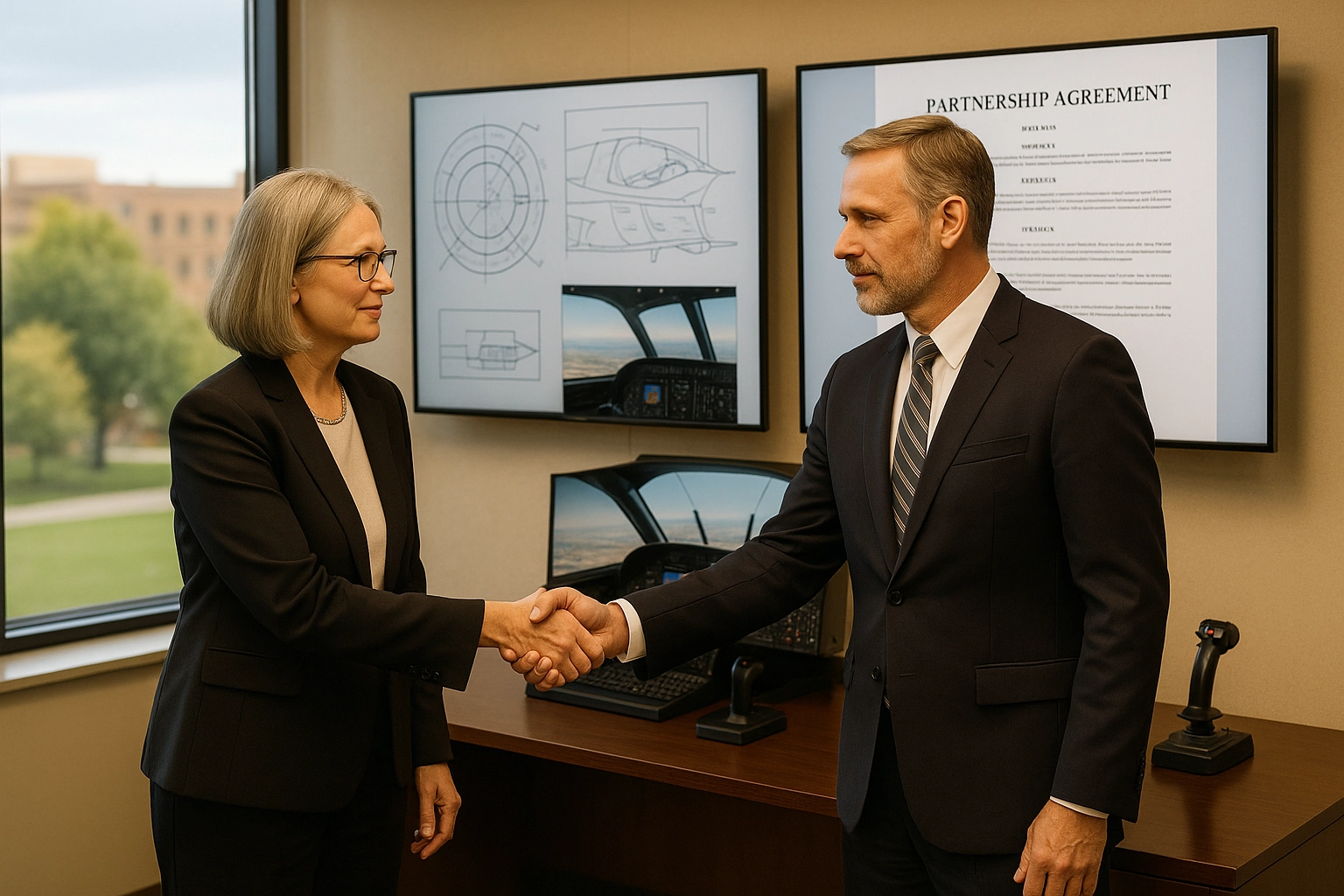
Partnership agreements should specify how simulation technology will be integrated into existing curricula and how student performance data will be shared with sponsoring contractors. These arrangements create opportunities for early identification of high-performing cadets who may become valuable employees after military service.
Step 3: Implement Comprehensive Funding Models
Effective ROTC sponsorship requires financial commitments that demonstrate genuine partnership rather than simple marketing gestures. Contractors must develop funding models that provide sustainable support for simulation programs while creating measurable returns on investment.
Direct equipment sponsorship represents the most visible component of these programs. Small Footprint Simulators provide exceptional value because they deliver full-scale training capabilities in compact configurations that fit existing classroom spaces. This efficiency allows contractors to sponsor multiple programs within reasonable budgets.
Beyond equipment costs, successful programs include ongoing support for maintenance, software updates, and instructor training. These commitments ensure that sponsored simulators remain effective training tools throughout their operational lives while maintaining contractor visibility within programs.
Student support mechanisms create additional partnership opportunities. Contractors can supplement existing ROTC scholarship programs with research stipends, specialized training allowances, and internship opportunities that provide direct pathways to post-military employment.
Performance-based funding models allow contractors to tie financial support to measurable outcomes such as student achievement levels, program completion rates, and post-graduation career choices. These arrangements create accountability mechanisms that benefit all stakeholders while maximizing return on investment.
Step 4: Create Analytics-Driven Screening Programs
Modern simulation technology provides unprecedented opportunities for objective assessment of student capabilities and career aptitude. Small Footprint Simulators include comprehensive analytics packages that track performance metrics across multiple training scenarios, creating detailed profiles of individual cadet capabilities.
These analytics systems measure reaction times, decision-making accuracy, stress responses, and learning progression rates that correlate with success in military and civilian defense careers. Contractors can use this data to identify high-potential candidates early in their academic careers, building relationships before students enter competitive job markets.

Screening programs must comply with privacy regulations and university policies while providing valuable insights for workforce planning. Anonymized performance data helps contractors understand talent pool characteristics and adjust recruitment strategies accordingly.
Integration with existing military assessment programs creates additional value for ROTC programs while providing contractors with standardized performance benchmarks. Students benefit from detailed feedback about their strengths and development needs, improving their preparation for military careers.
Data-driven screening enables targeted outreach to students whose performance profiles match specific contractor needs. This precision reduces recruitment costs while improving candidate quality and retention rates.
Step 5: Build Long-Term Engagement Strategies
Sustainable ROTC partnerships require ongoing engagement that extends throughout students' academic careers and beyond. Contractors must develop comprehensive strategies that maintain relationships from initial enrollment through post-military career transitions.
Early engagement during basic course phases allows contractors to influence career decisions before students commit to military service. Simulation technology demonstrations and hands-on training experiences create positive associations with contractor brands while providing practical value to military programs.
Advanced engagement opportunities include internship programs, security clearance sponsorship, and specialized research projects that provide direct experience with contractor operations. These programs create deep relationships that continue throughout military careers and into civilian employment transitions.

Alumni networks represent valuable long-term assets that generate referrals and provide insights about military needs and priorities. Former ROTC cadets who complete military service often become key decision-makers within defense organizations, making early relationship building particularly valuable.
Recognition programs that celebrate student achievements while highlighting contractor partnerships create ongoing visibility within military communities. Awards, scholarships, and special recognitions demonstrate contractor commitment to military education while building brand awareness among future leaders.
Successful engagement strategies also include regular program evaluation and adaptation based on changing military priorities and technological developments. Contractors must remain flexible and responsive to ensure their sponsorship programs continue providing value to all stakeholders.
Maximizing ROI Through Strategic Implementation
ROTC program sponsorship through simulation technology creates multiple value streams for defense contractors willing to make strategic investments in military education. These programs build brand recognition, develop talent pipelines, and demonstrate commitment to military readiness while providing universities and military programs with advanced training capabilities.
Success requires understanding military education structures, building comprehensive university partnerships, implementing sustainable funding models, leveraging analytics for talent identification, and maintaining long-term engagement strategies that span entire military careers.
Small Footprint Simulators provide ideal platforms for these partnerships because they deliver full-scale training capabilities in configurations that fit existing educational environments while providing comprehensive analytics for performance assessment and talent development.
Which ROTC programs in your region could benefit from simulation technology sponsorship? What's your biggest challenge in building defense talent pipelines?
Want more insights like this? Subscribe at smallfootprintsimulator.com.
Questions or partnerships? Call our AI Receptionist at +1 (970) 703-0102.
Dan Kost, CEO, Small Footprint Simulator.
If this helped you, please comment, subscribe, and share.
Share this article:
#Motivation #Branding #Strategy #Marketing #AdvertisingAndMarketing #digitalmarketing #Innovation #Sports #DefenseContracting #ROTCPrograms #MilitaryTraining #SimulationTechnology #TalentPipeline #UniversityPartnerships