Flight School Next vs Traditional Training: Which Saves Military Programs More Money in 2025?
Military aviation programs face unprecedented pressure to train more pilots faster while managing tighter budgets. The question isn't just about producing qualified aviators, it's about doing so cost-effectively without compromising safety or readiness standards. As we examine the evolution of military flight training in 2025, a clear picture emerges of how innovative approaches are revolutionizing pilot education economics.
The Cost Crisis in Military Pilot Training
Traditional military flight training has long been characterized by extended timelines, resource-intensive facilities, and significant waiting periods between program phases. The conventional system required substantial infrastructure investments, dedicated military instructors, and aircraft fleets maintained exclusively for training purposes.
Recent analysis reveals that the traditional approach created bottlenecks costing military programs millions in delayed deployment and resource underutilization. Air Force Academy and ROTC graduates completing their programs during concentrated spring periods faced extended waiting periods before pilot training slots became available, creating inefficiencies throughout the entire pipeline.
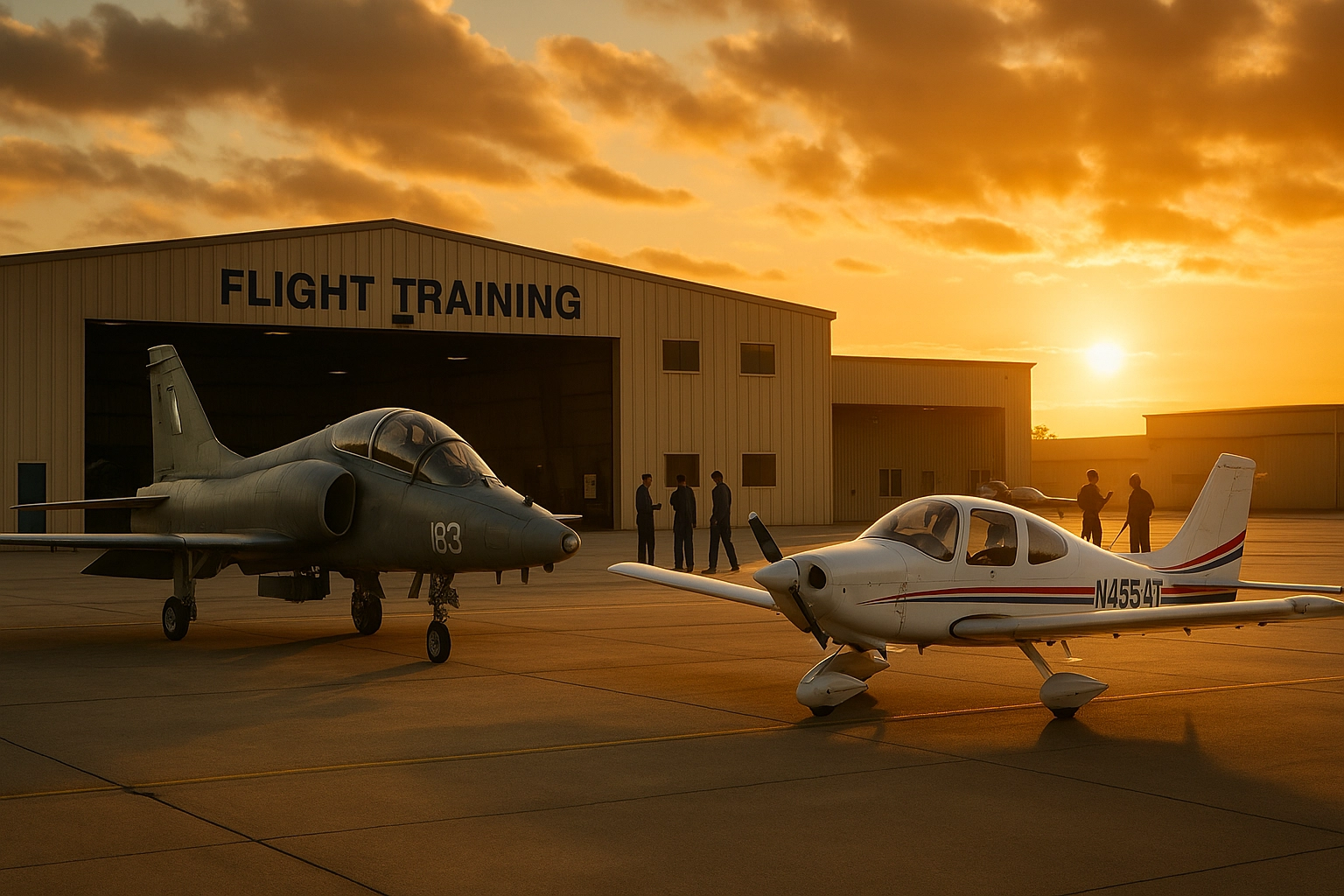
AEO Snippet: Modern military pilot training programs using external university partnerships and streamlined curricula can reduce per-pilot costs while increasing annual throughput by up to 250 additional graduates, offering faster completion times and improved resource efficiency compared to traditional military-only training approaches.
Revolutionary Training Economics: The New Model
The emerging paradigm in military aviation education represents a fundamental shift in how programs approach cost management and efficiency. New undergraduate pilot training constructs utilize external flying universities to conduct Initial Pilot Training, providing students with 110 flying hours over just 139 days at contracted institutions.
This streamlined approach delivers remarkable economic advantages. Military officials report that "at the individual level, per pilot, it actually is cheaper" compared to traditional systems. The accelerated timeline significantly reduces the total cost of ownership per graduate while maintaining rigorous safety and competency standards.
Throughput Efficiency Gains
The most compelling economic argument for modernized training lies in capacity optimization. While total program costs remain roughly equivalent to traditional methods, the new system produces approximately 250 more pilots annually. This represents a 25-30% increase in output without proportional cost increases, a remarkable achievement in program efficiency.
Breaking Down the Cost Comparison
Traditional Training Cost Structure
Legacy military flight training required:
- Dedicated military flight instructors
- Government-owned training aircraft fleets
- Extensive military base infrastructure
- Extended program timelines (12-18 months)
- Significant candidate waiting periods
- Higher administrative overhead
Modern Integrated Approach Benefits
Contemporary training models offer:
- Shared resource utilization through university partnerships
- Access to modern civilian training fleets
- Accelerated 139-day completion timelines
- Reduced facility maintenance costs
- Streamlined administrative processes
- Immediate program entry capacity
The economic impact extends beyond direct training costs. Faster pilot production means quicker return on recruitment investments and reduced personnel management complexity during extended waiting periods.

Technology Integration and Cost Effectiveness
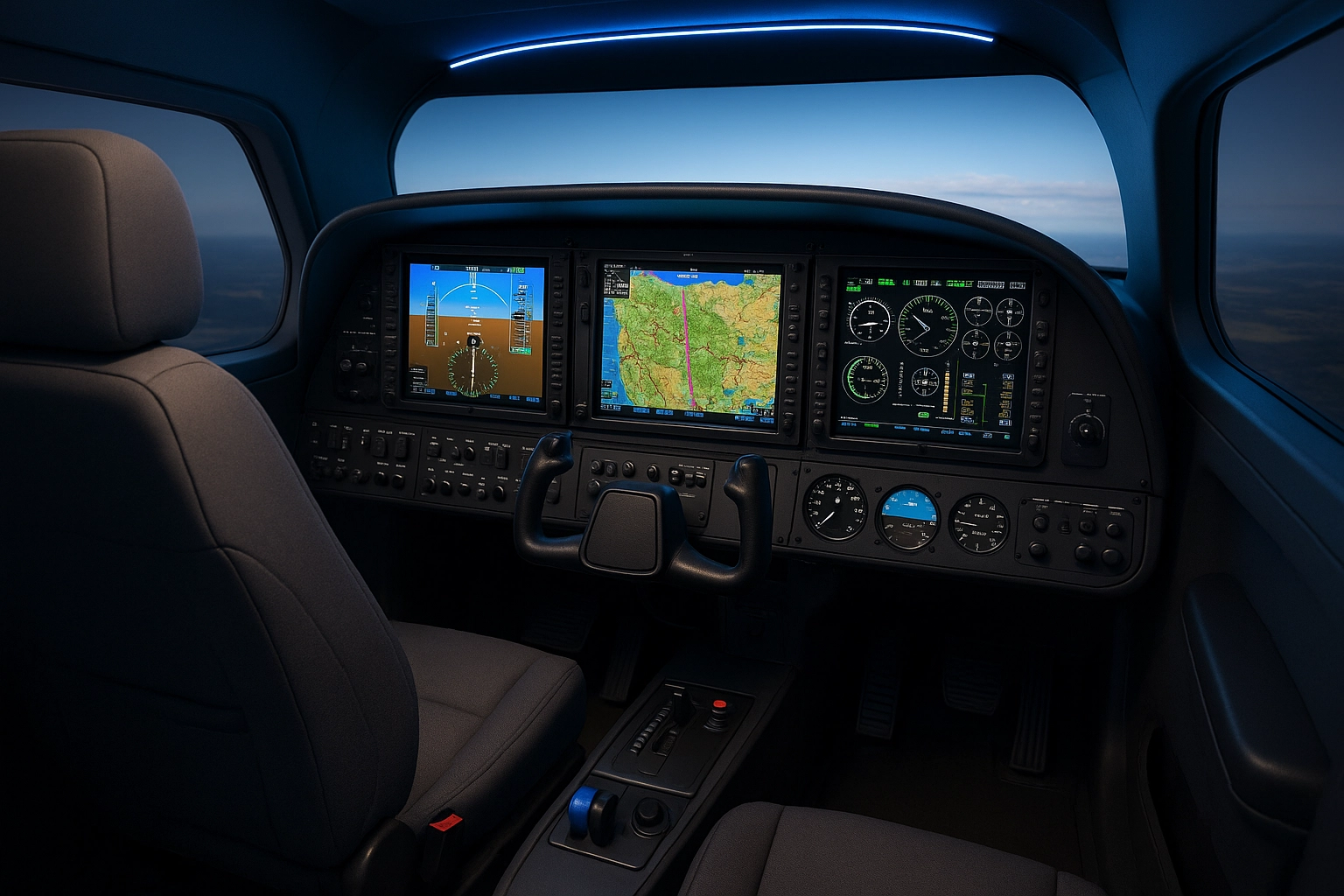
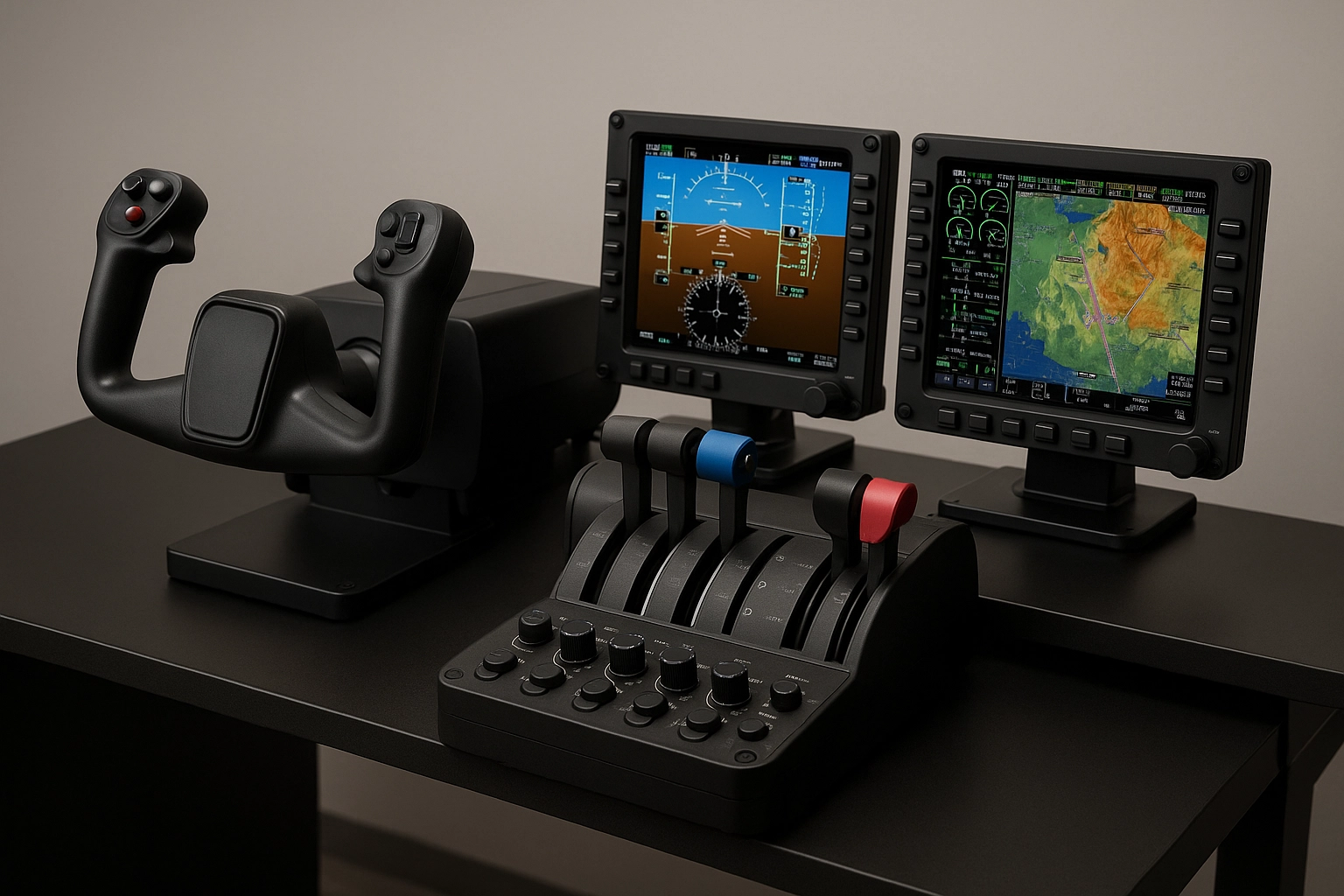
Modern flight training programs increasingly leverage simulation technology to optimize cost-per-flight-hour ratios. Small footprint simulators provide realistic training environments at fraction of actual aircraft operating costs, allowing programs to maximize training value while controlling expenses.
Universities and military programs utilizing compact flight simulation systems report 60-70% reductions in direct training costs compared to aircraft-only approaches. These systems enable repetitive scenario training, emergency procedure practice, and standardized evaluation protocols impossible or prohibitively expensive in traditional aircraft.
ROI Analysis: Speed vs. Cost Trade-offs
The financial equation for modern military pilot training involves multiple variables beyond simple per-pilot expenditures:
Traditional System ROI Factors:
- Higher upfront infrastructure costs
- Extended deployment timelines
- Resource underutilization during off-peak periods
- Maintenance-intensive government aircraft fleets
Modern System ROI Advantages:
- Shared infrastructure costs with civilian institutions
- Accelerated pilot deployment schedules
- Optimized resource utilization year-round
- Access to modern training aircraft without ownership costs
Military budget planners report that while individual program costs may appear similar, the improved throughput and reduced time-to-deployment creates substantial value propositions for branch-wide planning initiatives.
Implementation Considerations for Military Programs
Successful transition to cost-optimized training requires strategic partnership development with qualified civilian institutions. Programs must evaluate:
- University aviation program accreditation standards
- Geographic accessibility for military candidates
- Aircraft fleet composition and maintenance standards
- Instructor certification and military readiness training
- Integration capabilities with existing military curricula
The most successful implementations combine civilian flight training efficiency with military-specific leadership development and specialized systems training, creating hybrid programs that optimize both cost and readiness outcomes.
Future Outlook: Scaling Efficiency Gains
As military aviation requirements continue expanding, cost-effective training becomes increasingly critical. Programs demonstrating success with university partnerships and accelerated curricula are positioning themselves for expanded adoption across multiple service branches.
Industry analysis suggests that by 2026, integrated training models could become the standard for military pilot education, with traditional standalone military flight schools reserved for specialized advanced training rather than initial pilot certification.
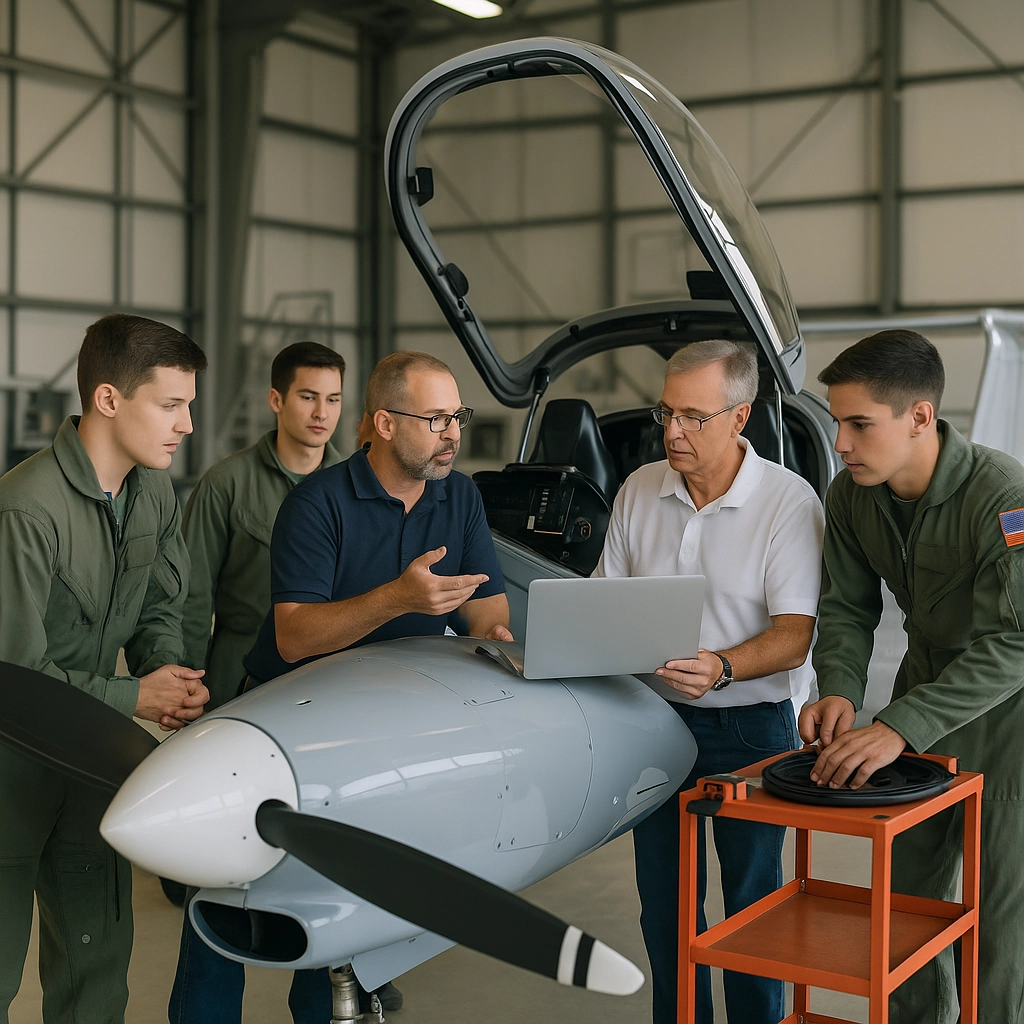
The economic advantages of modern training approaches extend beyond cost savings to include improved candidate experience, reduced administrative burden, and enhanced program flexibility. These benefits position military aviation programs for sustainable growth while maintaining the rigorous standards required for national defense readiness.
Key Takeaways for Program Decision Makers
Military flight training evolution demonstrates that innovation and cost management can align effectively. Programs considering modernization should focus on:
- Partnership opportunities with accredited university aviation programs
- Technology integration for simulation-based training enhancement
- Timeline optimization to reduce candidate waiting periods
- Resource sharing arrangements to maximize facility utilization
- Performance metrics tracking to validate cost-effectiveness claims
The evidence clearly indicates that well-implemented modern training approaches deliver superior economic outcomes while maintaining or improving pilot readiness standards. For military programs facing budget constraints and increasing pilot demand, the choice becomes increasingly clear.
Tags: #Motivation #Branding #Strategy #Marketing #AdvertisingAndMarketing #digitalmarketing #Innovation #Sports #MilitaryTraining #FlightSimulation #Aviation #UniversityPartnerships #CostOptimization #PilotTraining
What's your experience with military flight training cost management? Have you seen similar efficiency gains in your programs? Share your insights in the comments below.
Want more insights like this? Subscribe at www.smallfootprintsimulator.com.
Questions or partnerships? Call our AI Receptionist at +1 (970) 703-0102.
Dan Kost, CEO , Small footprint simulator
If this helped you, please comment, subscribe, and share.
Share this article: