5 Steps How to Boost Air Force Recruitment Numbers and Improve Pilot Readiness (Easy Guide for Recruiting Commands)
Air Force and Space Force recruitment has dramatically improved, with both branches hitting their 2025 targets months ahead of schedule after struggling to meet goals in 2023. This turnaround provides valuable lessons for recruiting commands looking to boost enlistment numbers while improving overall pilot readiness. The key lies in modernizing recruitment approaches, consolidating operations, emphasizing career development, strategically expanding recruiter capacity, and leveraging delayed entry programs to create sustained pipelines of qualified candidates.
Step 1: Modernize Your Recruitment Approach and Expand Community Outreach
The foundation of successful recruitment in 2025 requires abandoning outdated methods and embracing digital-first strategies that reach today's potential recruits where they spend their time. The Air Force's recent success came from implementing modernized recruitment approaches that go far beyond traditional high school visits and career fairs.

Digital Platform Integration: Transform your recruitment presence by establishing strong footing across social media platforms, professional networks, and gaming communities where young adults actively engage. Create authentic content that showcases real pilot experiences, training opportunities, and career progression stories rather than generic promotional materials.
Community Expansion Strategy: Significantly expand outreach to underrepresented communities and demographics that may not have previously considered military aviation as a viable career path. This includes targeting:
- STEM-focused educational programs at community colleges
- Technical training institutes with aviation maintenance programs
- Diverse urban communities with limited military exposure
- Rural areas where aviation interest exists but opportunities are scarce
Technology Integration: Implement virtual reality demonstrations of flight training, interactive career mapping tools, and mobile-optimized application processes that meet modern expectations for seamless digital experiences.
What's your biggest challenge in reaching today's digital-native recruits?
Step 2: Consolidate and Streamline Recruiting Operations
Eliminate inefficiencies that frustrate potential recruits and waste valuable resources by creating unified command structures that provide seamless experiences from initial contact through enlistment.
The Air Force combined its Air Force Recruiting Service with the Holm Center to form the Air Force Accession Center, creating a single point of contact rather than requiring recruits to navigate between different departments and offices.
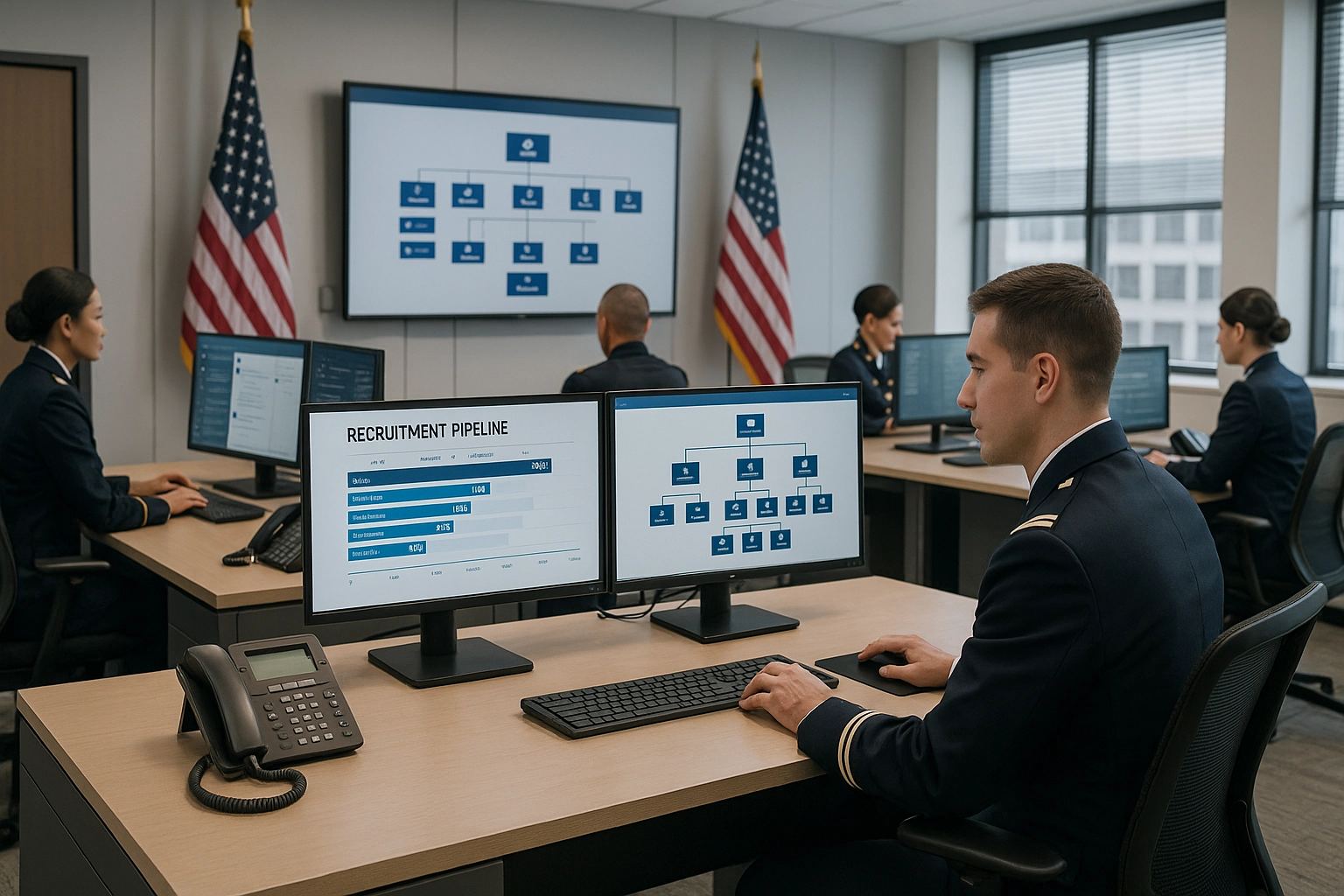
Operational Benefits of Consolidation:
- Reduces bureaucratic handoffs that lose potential recruits
- Eliminates conflicting information from different departments
- Creates consistent messaging across all recruitment touchpoints
- Improves data sharing and tracking of recruitment pipeline metrics
- Allows for better resource allocation and territory management
Implementation Strategy: Audit your current recruitment process to identify all points where potential recruits interact with different offices or departments. Map out the ideal streamlined experience and reorganize responsibilities to eliminate unnecessary complexity.
Technology Integration: Deploy unified customer relationship management systems that track recruits through the entire pipeline, ensuring no one falls through cracks between departments.
Step 3: Emphasize Career Development and Long-term Benefits
Modern recruits, especially those interested in aviation careers, are sophisticated consumers who evaluate military service against civilian career alternatives. The Air Force's successful strategy involved shifting recruitment messaging to focus heavily on comprehensive career development rather than just immediate benefits or patriotic appeals.
Career Progression Mapping: Present clear pathways showing how military aviation training translates into both military advancement and civilian aviation careers. Highlight specific examples:
- Commercial airline pilot opportunities after military service
- Aerospace engineering and technology careers
- Flight instruction and aviation management roles
- Defense contractor positions requiring military aviation experience
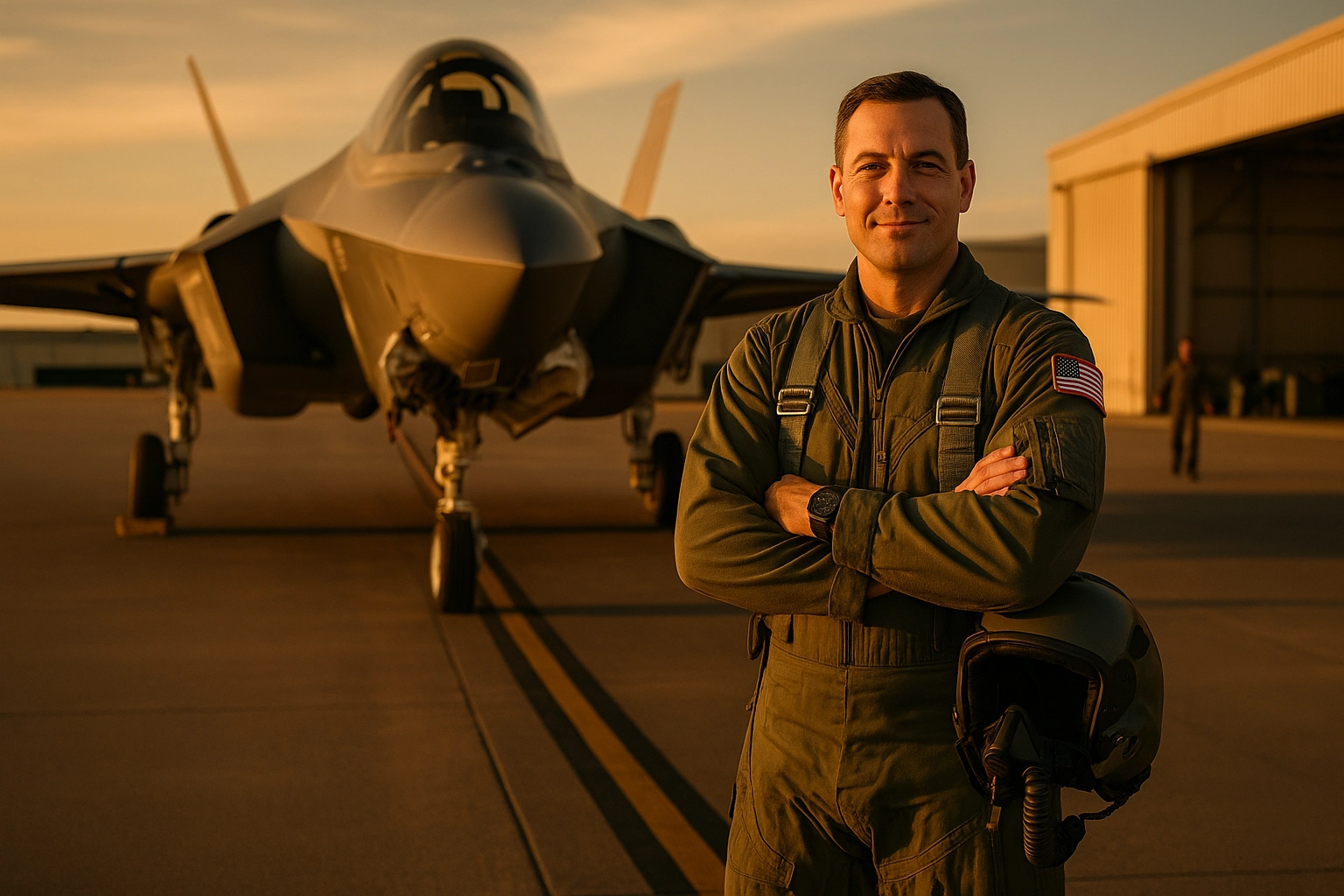
Skill Development Focus: Emphasize the advanced technical training, leadership development, and cutting-edge technology exposure that military aviation provides. Many civilian flight training programs cannot offer the same level of sophisticated aircraft systems, advanced simulators, and leadership responsibility.
Educational Benefits: Clearly articulate tuition assistance, advanced degree opportunities, and professional certification programs available to military aviators. Show how military service accelerates rather than delays career development.
Long-term Financial Planning: Provide comprehensive analysis of lifetime earning potential, retirement benefits, and career security that military aviation careers offer compared to civilian alternatives.
Which career development benefit resonates most with the recruits you're targeting?
Step 4: Strategically Expand Recruiter Capacity
The Air Force added 370 additional recruiters to support their successful recruitment turnaround, but emphasized the critical importance of strategic placement to avoid over-saturating markets while ensuring adequate coverage in high-potential areas.
Data-Driven Placement Strategy: Use demographic analysis, educational institution mapping, and historical recruitment data to identify optimal locations for new recruiters. Focus on:
- Areas with strong STEM education programs
- Regions with existing aviation industry presence
- Communities with positive military family traditions
- Underserved markets with untapped potential
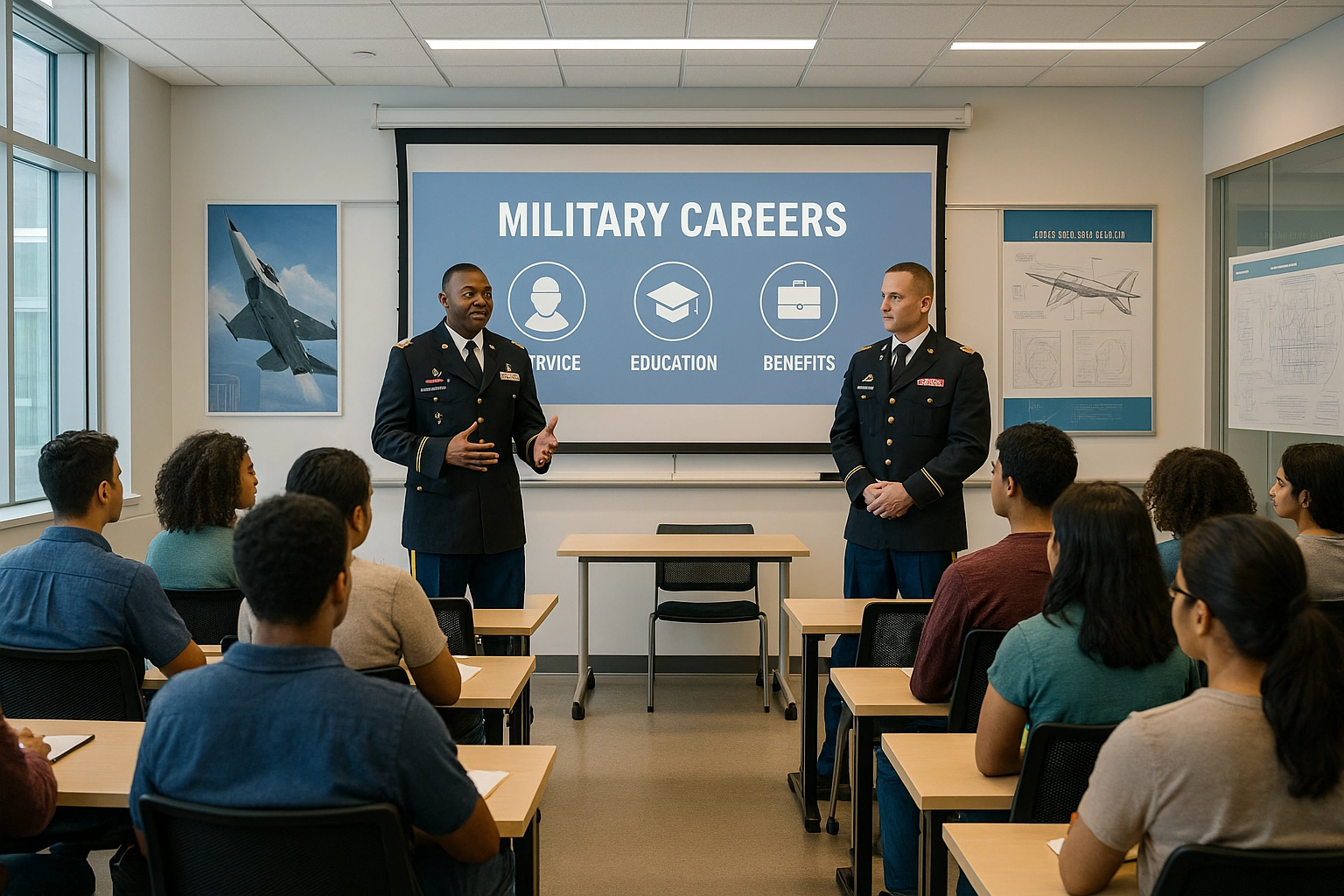
Quality Over Quantity: Avoid the temptation to simply add recruiters everywhere. Over-saturation can lead to:
- Reduced efficiency per recruiter
- Competition between recruiters for the same prospects
- Diluted community relationships
- Increased operational costs without proportional returns
Recruiter Development: Invest in comprehensive training programs that prepare recruiters to discuss technical aviation careers, advanced training opportunities, and complex career progression paths that aviation-interested recruits want to understand.
Performance Metrics: Establish clear success metrics that balance quantity and quality of recruits, ensuring that expanded capacity translates into better-prepared candidates who complete training and contribute to force readiness.
Step 5: Build Momentum Through the Delayed Entry Program
The Air Force's strong performance in their delayed entry program contributed significantly to their recruitment success by creating sustained engagement and positive word-of-mouth marketing that generates additional recruits.
Engagement Strategy: Keep committed recruits actively involved through:
- Regular communication about training preparation
- Access to online learning modules for aviation fundamentals
- Mentorship programs connecting delayed entry recruits with current pilots
- Virtual events showcasing advanced training facilities and aircraft
Community Building: Create networks of delayed entry recruits who support each other through the waiting period and share experiences with friends and family. This organic advocacy generates referrals and reduces dropout rates.
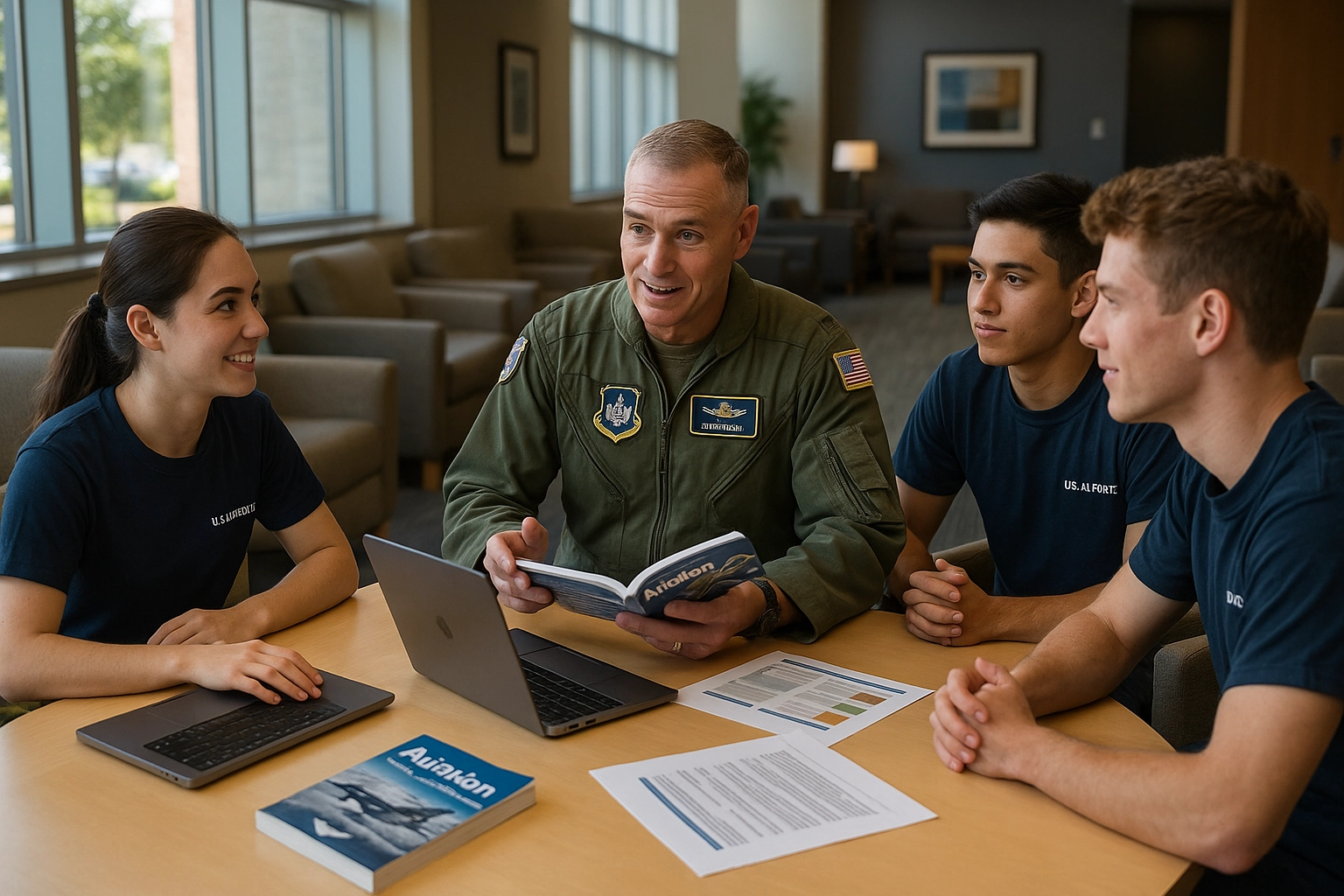
Family Integration: Include families in the delayed entry experience through information sessions, facility tours, and communication programs that address concerns and build support for the recruit's decision.
Pre-Training Preparation: Use delayed entry time productively by providing physical fitness programs, academic preparation materials, and basic aviation knowledge that helps recruits succeed once they begin formal training.
Metrics and Optimization: Track delayed entry program metrics including:
- Retention rates from commitment to ship date
- Referral generation from delayed entry participants
- Training success rates for delayed entry vs. immediate ship recruits
- Family satisfaction and support levels
These five steps helped the Air Force achieve an 11% increase in recruitment, bringing in approximately 6,000 more recruits compared to their challenging 2023 performance. The key to success lies in implementing these changes systematically while maintaining focus on both quantity and quality of recruits to ensure overall force readiness.
For recruiting commands looking to implement similar improvements, start with Step 1's modernization efforts while simultaneously planning the operational consolidation outlined in Step 2. The remaining steps build upon these foundational changes to create a comprehensive recruitment system that attracts, engages, and retains high-quality aviation candidates.
What's the first step your recruiting command plans to implement?
Want more insights like this? Subscribe at smallfootprintsimulator.com.
Questions or partnerships? Call our AI Receptionist at +1 (970) 703-0102.
Dan Kost, CEO , Small footprint simulator
If this helped you, please comment, subscribe, and share.
Share this article:
Tags: #Motivation #Branding #Strategy #Marketing #AdvertisingAndMarketing #digitalmarketing #Innovation #Sports #AirForceRecruitment #MilitaryAviation #PilotTraining #RecruitmentStrategy #MilitaryCareer #FlightTraining