The Ultimate Guide to Small Footprint Flight Simulators: Everything Universities Need to Know Before Buying
Small footprint flight simulators are advanced training devices designed to fit within limited university spaces while delivering comprehensive aviation education. These compact systems provide FAA-approved flight training, cost-effective alternatives to aircraft operations, and flexible curriculum integration for universities seeking to enhance their aviation programs without massive infrastructure investments.
Universities across the nation are revolutionizing their aviation training programs by integrating compact flight simulation technology. These sophisticated training devices offer the perfect balance of educational effectiveness, space efficiency, and cost management that higher education institutions demand.
Understanding Small Footprint Flight Simulator Categories
Modern universities have access to several distinct categories of compact flight training technology, each serving specific educational objectives and space constraints.
FAA-Approved Advanced Aircraft Training Devices (AATD) represent the gold standard for university aviation programs. These simulators allow students to log official flight hours toward Private, Instrument, and Commercial pilot certifications while maintaining a relatively small physical footprint compared to full-scale flight training devices.
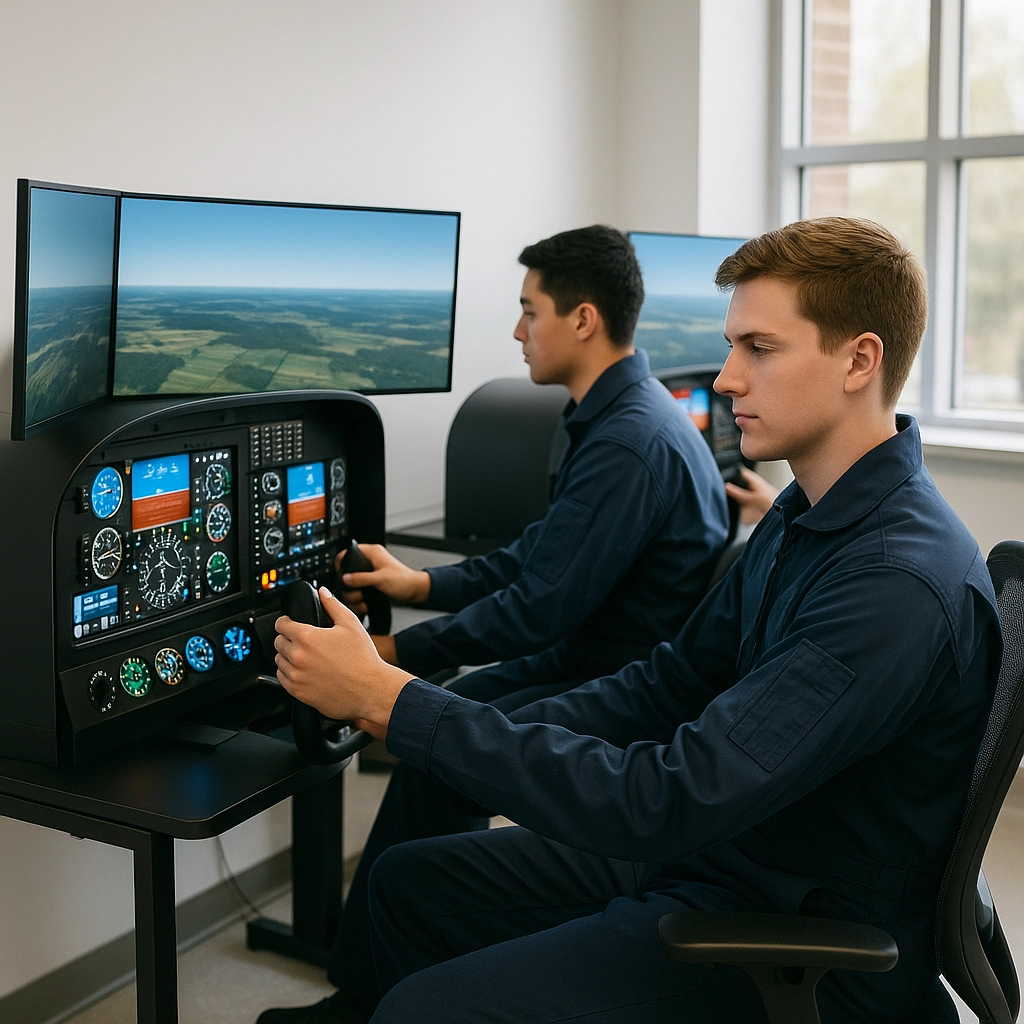
alt="University aviation students training on compact FAA approved flight simulator in modern classroom setting"
Virtual Reality (VR) Flight Training Systems have emerged as cutting-edge educational tools requiring minimal space while providing immersive flight experiences. These systems integrate seamlessly with traditional curricula and can operate in standard classroom environments.
Aircraft Systems Trainers focus specifically on teaching complex aircraft systems and operations without requiring full cockpit experiences. These specialized devices are particularly valuable for ground school instruction and technical aviation courses.
Portable Flight Training Devices offer maximum flexibility for universities with multiple campus locations or shared training facilities. These systems can be transported between classrooms and configured for different training scenarios.
Critical Space and Infrastructure Requirements
Space planning represents one of the most crucial decisions universities face when implementing flight simulation programs. The most effective small footprint simulators require dedicated spaces ranging from 10×10 feet for basic systems to 20×15 feet for more advanced motion-enabled devices.
Infrastructure considerations extend beyond floor space to include electrical requirements, HVAC systems, and network connectivity. Modern flight simulators often require 220V electrical systems, dedicated climate control to manage heat generation, and robust internet connections for real-time weather data integration.
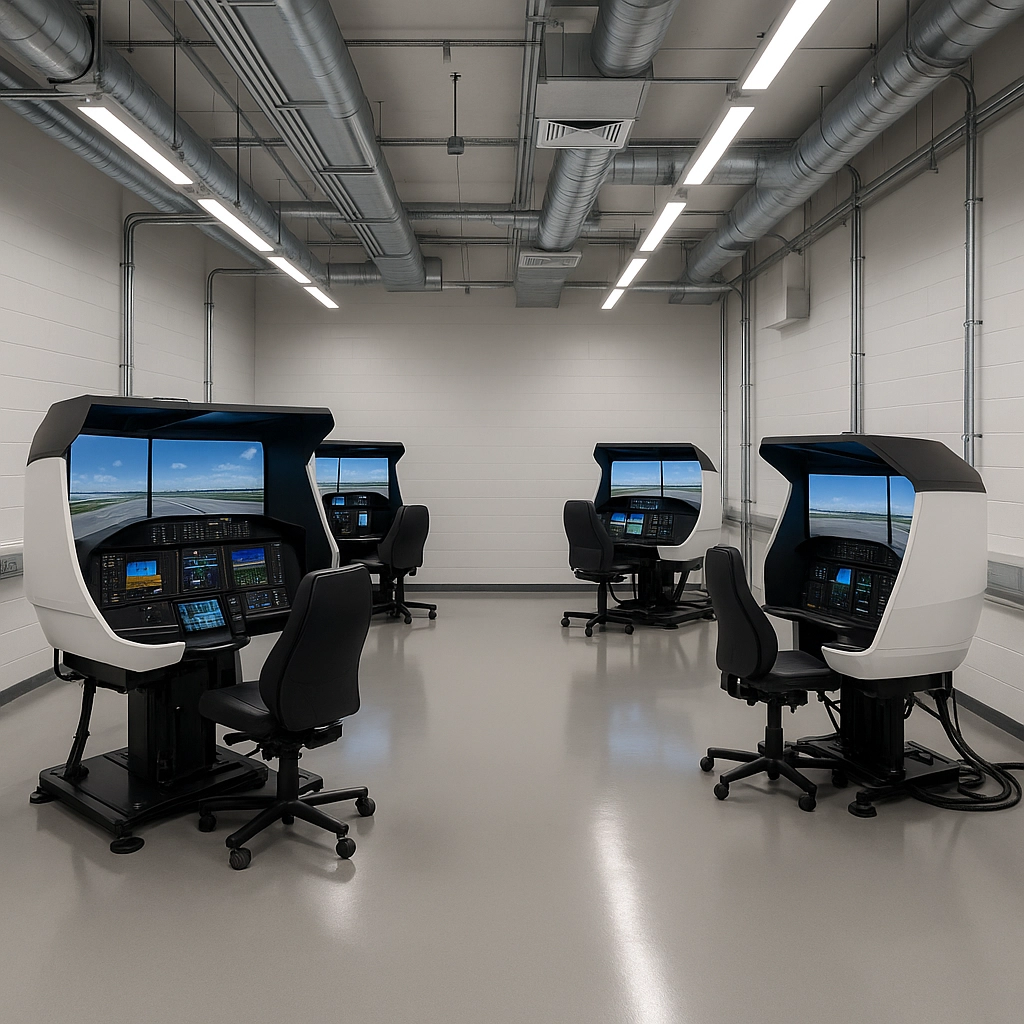
alt="Professional university flight simulator installation showing proper spacing and infrastructure setup"
Universities should evaluate ceiling height requirements, as some advanced systems incorporate overhead projection systems or motion platforms that demand additional vertical clearance. Sound isolation may also be necessary to prevent disruption to adjacent classrooms during intensive training sessions.
Technology Integration and Equipment Standards
The most effective university flight simulators incorporate authentic OEM components and software from major avionics manufacturers. This authentic equipment integration ensures students gain hands-on experience with the same technology they will encounter in professional aviation environments.
Modern training devices feature scenario-based training compatibility, allowing instructors to create customized training scenarios that address specific learning objectives. Advanced debrief tools and data recording capabilities enable detailed post-flight analysis, helping students understand performance metrics and identify areas for improvement.
Integration with existing Learning Management Systems (LMS) allows universities to track student progress, schedule training sessions, and maintain comprehensive training records. This digital integration streamlines administrative processes while providing valuable data for program assessment and accreditation purposes.
Regulatory Compliance and Certification Requirements
Universities must ensure their flight simulators meet appropriate 14 CFR Part 60 National Simulator Program (NSP) standards when seeking FAA certification. This certification process enables students to log official flight time in the devices, making them valuable components of degree programs leading to pilot certifications.
Current FAA regulations allow students to log up to 20 hours in approved training devices toward completion of an Instrument Rating, making these simulators particularly valuable for instrument flight training programs. Universities should verify that any simulator purchase includes proper FAA certification documentation and ongoing compliance support.
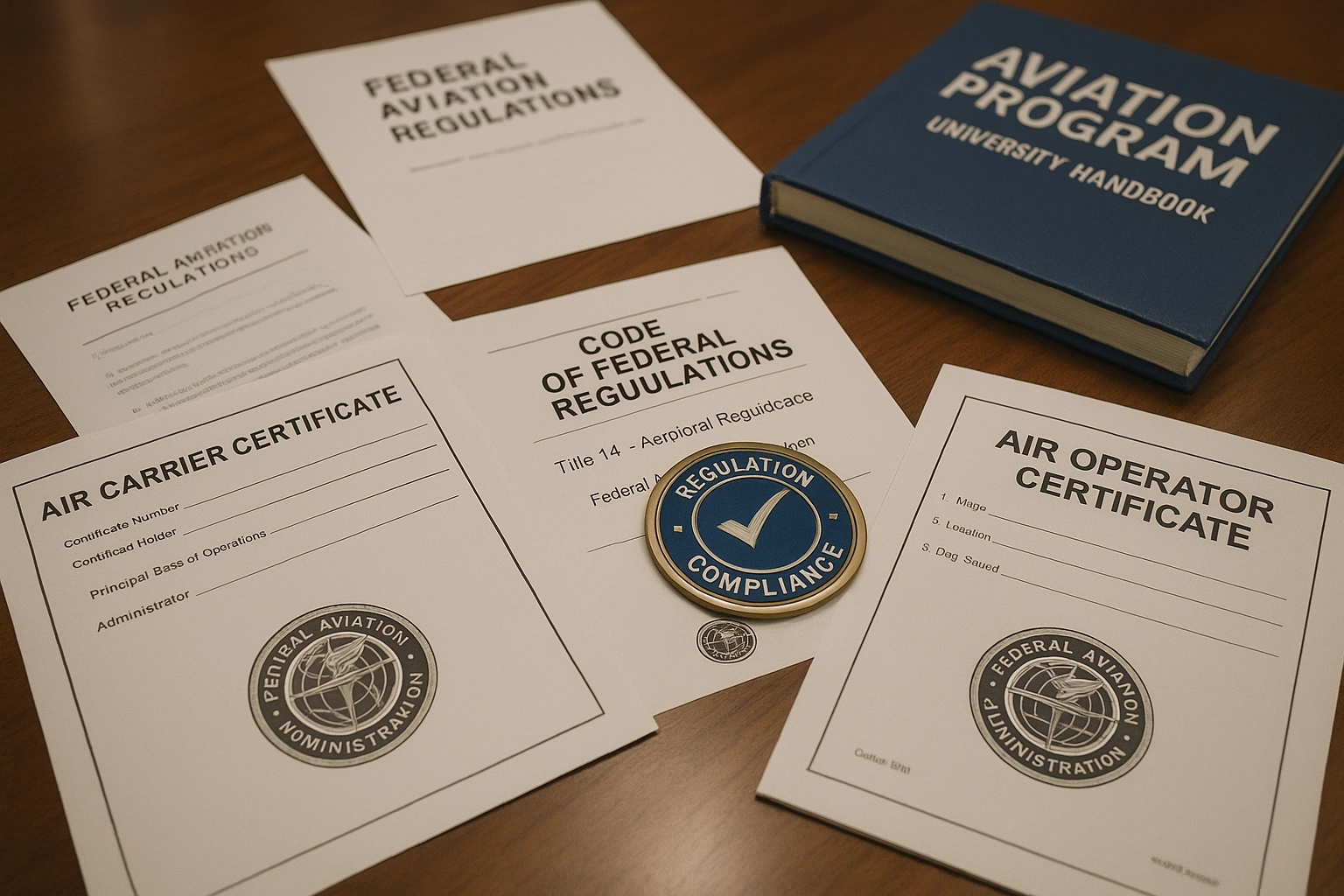
alt="FAA certification documentation and compliance standards displayed for university flight simulator program"
The certification process typically requires detailed documentation of simulator capabilities, regular maintenance schedules, and instructor qualification requirements. Universities benefit from working with established manufacturers who provide comprehensive certification support and ongoing regulatory compliance assistance.
Financial Planning and Cost-Effectiveness Analysis
Flight simulators provide significant cost advantages compared to traditional aircraft training methods. Universities can offer competitive aviation programs while maintaining lower operational costs due to reduced fuel consumption, maintenance requirements, and insurance costs.
When developing budgets, universities should consider initial purchase prices, ongoing software licensing fees, maintenance contracts, and facility modifications. Many institutions find that simulator training allows them to offer substantially more flight hours to students within existing budget constraints.
The total cost of ownership analysis should include energy consumption, replacement part availability, and upgrade pathway costs. Universities often achieve return on investment within 2-3 years through reduced aircraft operating expenses and increased training capacity.
Implementation Strategy and Best Practices
Successful simulator implementation requires comprehensive planning and stakeholder coordination. Universities benefit from establishing dedicated simulation facilities with appropriate staffing, maintenance protocols, and integration with existing aviation curriculum.
Faculty training represents a critical success factor, as effective simulator instruction requires specialized knowledge of both aviation principles and simulation technology. Many manufacturers provide comprehensive instructor training programs and ongoing professional development opportunities.
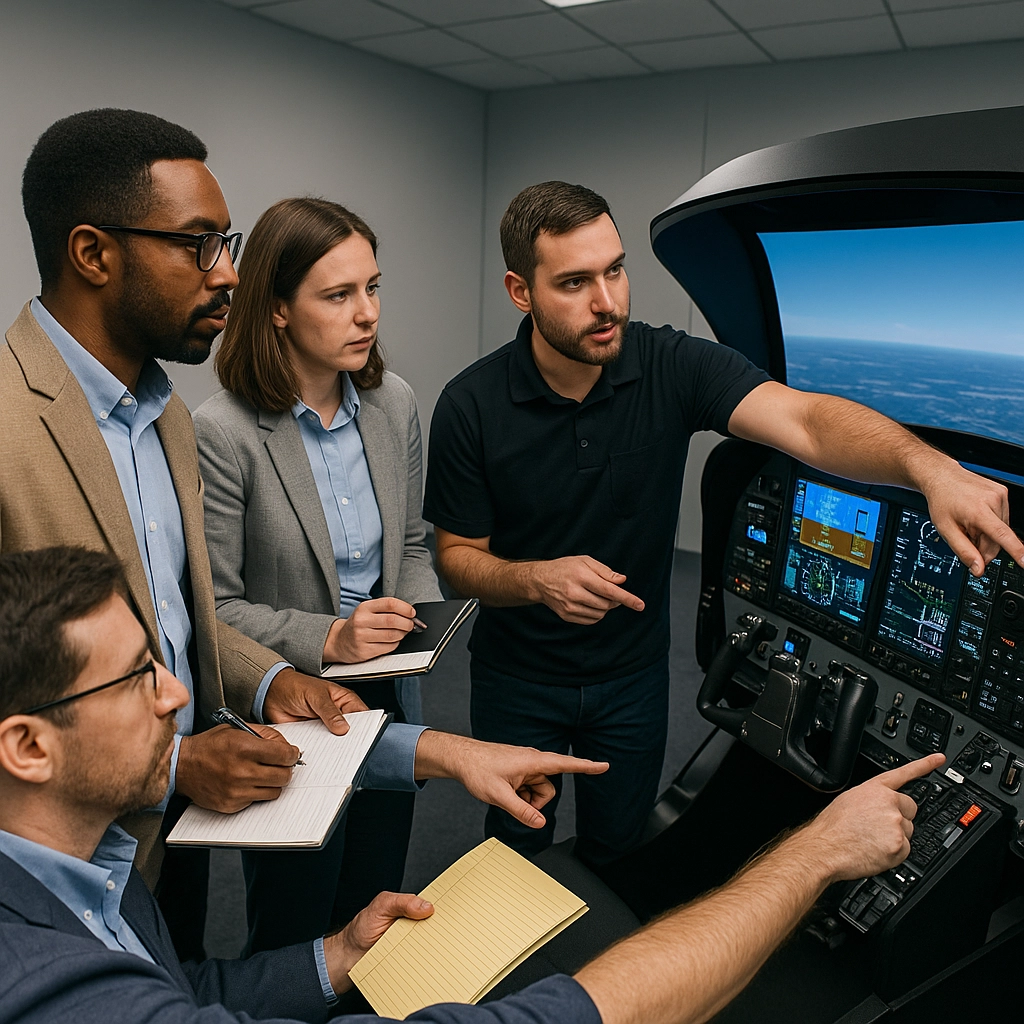
alt="University aviation instructors receiving professional training on small footprint flight simulator systems"
Student scheduling systems should accommodate both individual practice sessions and structured instructional periods. The most successful programs integrate simulator training with traditional aircraft instruction to create comprehensive learning experiences that maximize educational effectiveness.
What challenges does your university face in implementing aviation training technology? Share your thoughts in the comments below.
Advanced Features and Emerging Technologies
Modern small footprint simulators incorporate sophisticated features that enhance educational effectiveness while maintaining compact designs. Real-time weather integration provides realistic training scenarios using actual meteorological data from around the world.
AI-powered flight instruction capabilities supplement human instructors by providing consistent, patient guidance for basic procedures and emergency scenarios. These systems can adapt to individual student learning patterns and provide personalized feedback that accelerates skill development.
Integration with ADS-B data feeds and live ATC communications creates authentic training environments that bridge the gap between simulation and actual flight operations. Students experience realistic air traffic control interactions and traffic patterns that prepare them for real-world aviation environments.
Which advanced simulator features would be most valuable for your aviation program? Let us know in the comments.
Want more insights like this? Subscribe at https://smallfootprintsimulator.com.
Questions or partnerships? Call our AI Receptionist at +1 (970) 703-0102.
Dan Kost, CEO , Small Footprint Simulator
If this helped you, please comment, subscribe, and share.
Tags: #Motivation #Branding #Strategy #Marketing #AdvertisingAndMarketing #digitalmarketing #Innovation #Sports #FlightSimulators #AviationTraining #UniversityProcurement #ROTCPrograms #TrainingDevices #FAAApproved