Quick answer: Simulators support occupational therapy by turning repetitive rehabilitation exercises into engaging, goal-based activities. The Small Footprint Simulator lets therapists adjust controls to each patient, pair sessions with biometric data and document progress, all in a pod compact enough for a hospital therapy room.
How can a simulator help occupational therapy patients?
Rehabilitation depends on repetition, and repetition can be hard to sustain. Patients recovering from injury, surgery or illness often lose motivation when exercises feel tedious. A simulation activity gives each repetition a purpose: steer the vehicle, hold the course, complete the task.
Simulation also lets therapists work on functional skills such as coordination, reaction time and the motor control used in driving.
What can therapists measure during a session?
Pairing sessions with biometric data helps therapists move beyond observation. Depending on the program, useful measures include:
- Session duration and tolerance over time.
- Reaction time and task completion.
- Range of motion through wheels, pedals and hand controls.
- Physiological responses captured through biometric monitoring.
- Progress against goals in the patient's care plan.
Why does a small footprint matter in a hospital?
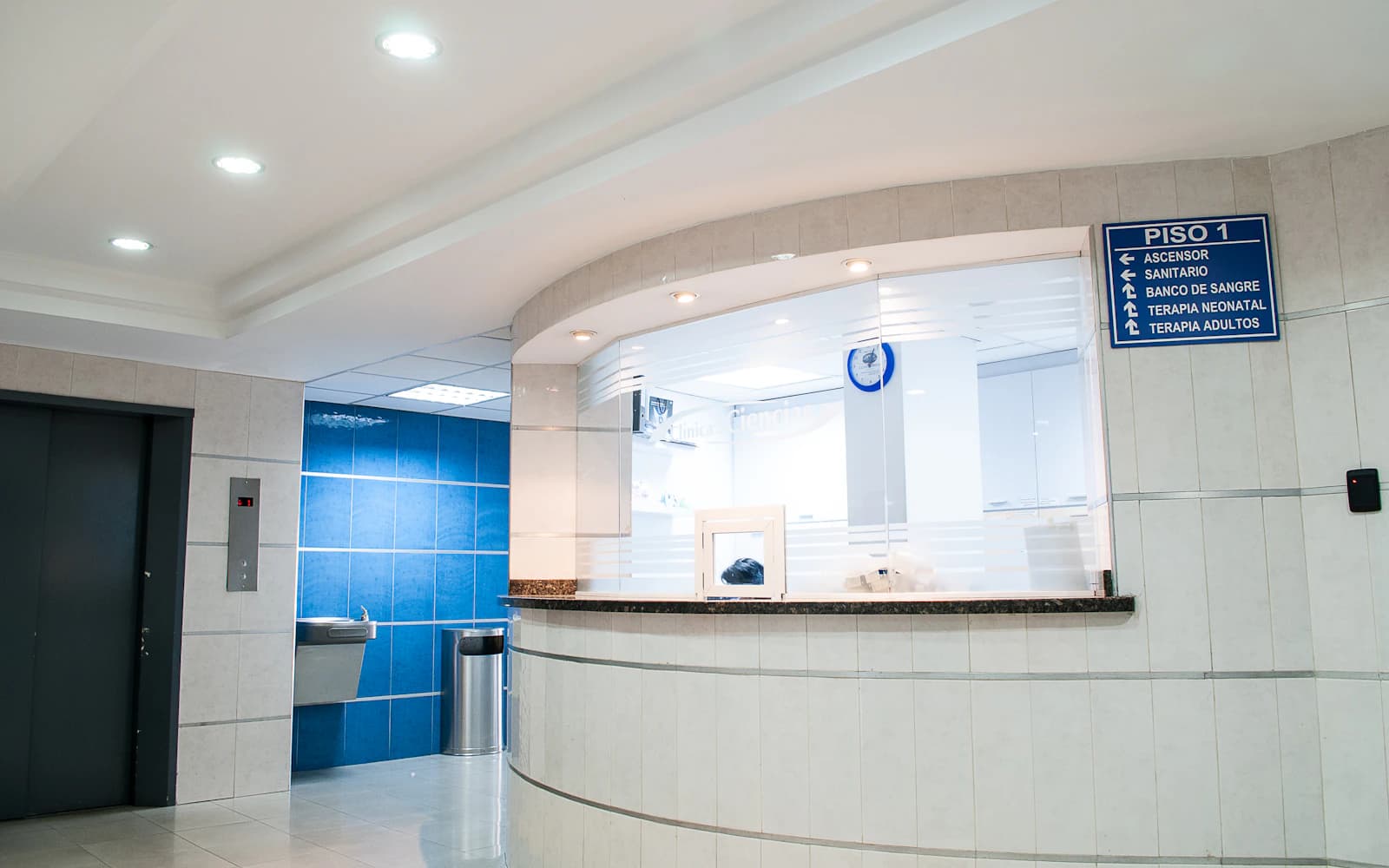
Hospital space is limited and often shared. Large simulators can require dedicated rooms or construction. The Small Footprint Simulator measures 80 inches long, 32.6 inches wide and 56 inches high, rolls through standard doors and onto service elevators on wheels, and runs on a single 110V outlet.
The pod arrives fully assembled. Setup and calibration typically take about 15 minutes, so a therapy department can move it between rooms or floors as schedules require. More than 100 control options, including force-feedback wheels, pedals, shifters and hand controls, let therapists match the setup to each patient's abilities.
Which patients may benefit?
Therapists decide clinical suitability. In general, simulation can support patients working on upper body coordination, lower body control, cognitive processing and readiness to return to activities such as driving. Pediatric programs may find the game-based format especially engaging.
Engagement is the advantage therapists mention most. A patient who looks forward to a session is more likely to complete it, and a completed session is the foundation of measurable progress. Simulation gives therapists one more tool to keep patients motivated through a long recovery plan.
Frequently asked questions
Is a simulator a medical device?
The Small Footprint Simulator is a training and simulation platform. Clinical use should follow the direction of licensed therapists and the facility's own protocols.
Can the pod be customized for a hospital brand?
Yes. Every pod includes a free custom wrap design, with design to production in 24 hours.
What support comes with the pod?
Each pod includes a 4-Year Warranty and a Dell computer with Dell Premium Support Plus.
Visit our hospital solutions page, or contact us to discuss simulation for your rehabilitation program.